The U.S. equity markets presented a bifurcated picture today, with the technology-heavy Nasdaq Composite surging while the Dow Jones Industrial Average experienced a notable decline. The Nasdaq finished the session up one percent at $24,686, largely driven by a significant rally in Intel shares, which analysts believe signals a renewed confidence in the chipmaker's strategic direction. Conversely, the Dow Jones Industrial Average closed down 0.4 percent, settling at $49,131, reflecting a broader market hesitancy outside the tech sector. This stark divergence unfolded as the Department of Justice announced it has concluded and dropped its probe into Federal Reserve Chair Jerome Powell, removing a layer of uncertainty that had lingered over the nation's central bank leadership. The resolution of the probe is a critical development, stabilizing the outlook for monetary policy at a time when inflation remains a persistent concern.
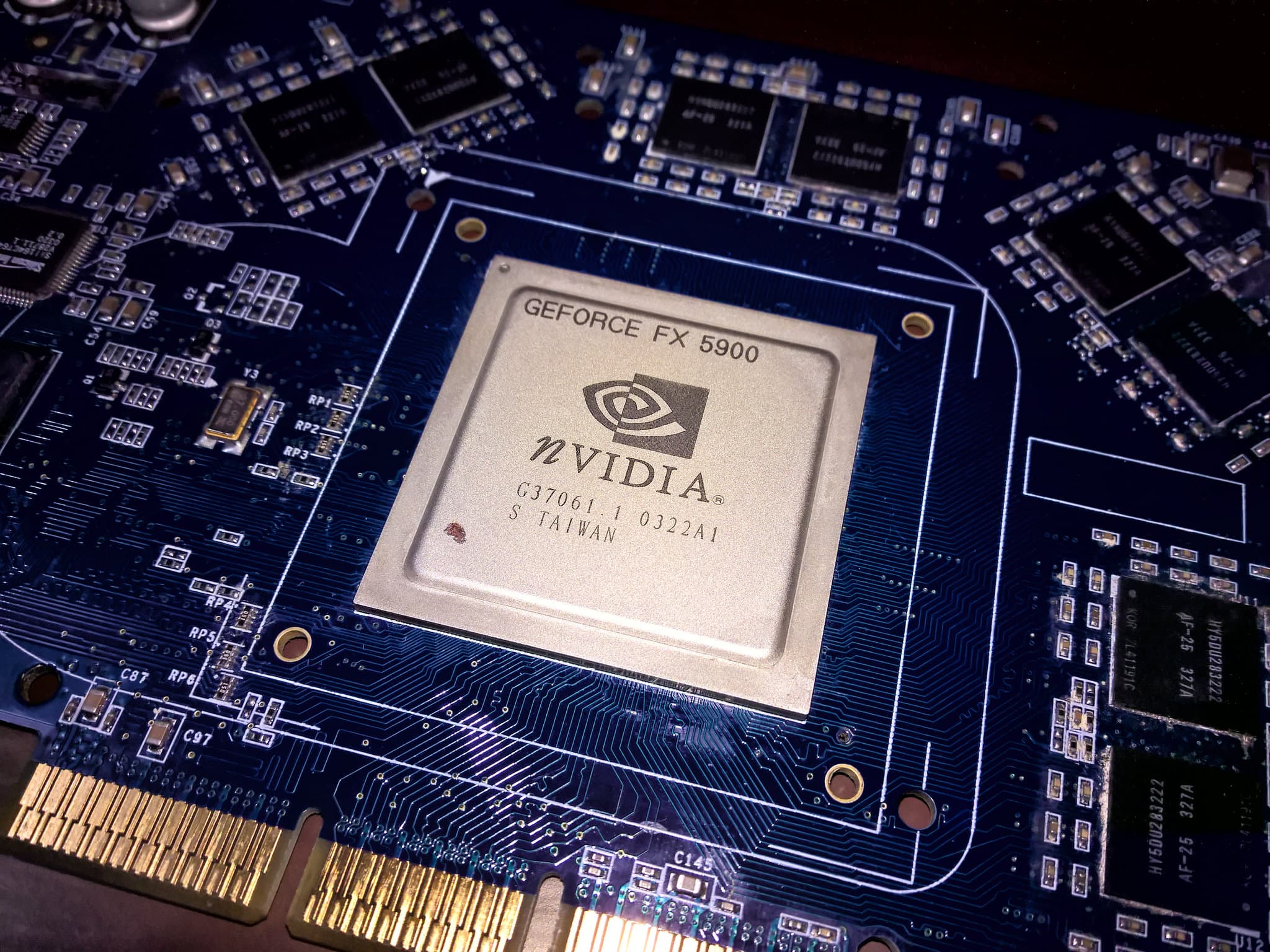
The market's immediate reaction was a clear rotation into growth-oriented technology stocks, underscoring the enduring appeal of the artificial intelligence narrative. Nvidia led the charge among the mega-caps, climbing 4.5 percent to $208.58, with Meta Platforms also posting a strong 1.2 percent gain to reach $667.27. Amazon.com shares advanced 1.8 percent to $259.75, and Microsoft saw a 0.6 percent uptick to $418.42, demonstrating robust demand across cloud computing and enterprise software. However, not all tech giants participated in the rally; Apple shares dipped 0.7 percent to $271.61, and Alphabet declined 0.4 percent to $337.56, suggesting a selective investor approach even within the tech sector. The broader S&P 500 managed a 0.4 percent gain, closing at $7,138, while the small-cap focused Russell 2000 also posted a modest 0.2 percent increase, indicating some underlying strength beyond just the largest tech names.
This pattern of tech sector outperformance amidst broader market weakness echoes themes prevalent since the start of 2024, particularly with the sustained enthusiasm surrounding generative AI and its transformative potential. The Nasdaq's ability to absorb broader market pressures and push higher reflects a deeply entrenched belief among institutional investors that the secular growth trends in technology remain largely immune to cyclical headwinds impacting other industries. While the Dow's decline points to a more cautious stance on traditional industrial and financial sectors, the resilience of the S&P 500 and Russell 2000 suggests that capital is not entirely fleeing risk, but rather reallocating to areas with clear growth catalysts. This selective capital deployment has been a hallmark of recent market cycles, where innovation-driven narratives command premium valuations, often at the expense of established, slower-growth segments of the economy.
Wall Street analysts are increasingly bullish on companies demonstrating clear pathways to AI monetization, and Intel's strong performance today suggests the market is beginning to price in a more favorable outlook for its foundry business and next-generation chip designs. While specific catalysts remain unconfirmed, the move indicates a re-evaluation of its competitive standing against rivals like Nvidia and AMD. Major institutional funds, which have been heavily concentrated in a few dominant tech names, appear to be broadening their exposure within the semiconductor space, seeking value plays that could benefit from the expanding AI infrastructure buildout. The resolution of the DOJ probe into Chair Powell also removes a potential political overhang that could have complicated future Federal Reserve policy decisions, offering a clearer runway for investors to anticipate interest rate trajectories without the added uncertainty of leadership instability. This clarity is invaluable for long-term capital allocation strategies.
The fundamental drivers underpinning today's tech rally are robust, centered around corporate spending on cloud services, advanced computing, and artificial intelligence integration. Companies like Microsoft and Amazon continue to report strong demand for their cloud infrastructure, Azure and AWS respectively, which directly fuels the need for high-performance chips and data center solutions. Nvidia's consistent innovation in AI accelerators positions it as a critical enabler of this technological revolution, justifying its premium valuation. For Intel, a positive shift in market sentiment implies a perceived strengthening of its product roadmap and manufacturing capabilities, crucial for regaining market share in both CPUs and the burgeoning AI chip market. The stability at the Federal Reserve, confirmed by the DOJ's decision, means that businesses and consumers can expect a more predictable monetary policy environment, potentially encouraging long-term investment and reducing the risk premium associated with economic uncertainty.
The divergence between the Nasdaq and Dow signals a continued sector rotation, with capital flowing aggressively into growth stocks at the expense of more cyclically sensitive or value-oriented sectors. This dynamic suggests that while overall risk appetite might be tempered—as evidenced by the Crypto Fear & Greed Index registering 39, indicating "Fear"—investors are highly selective in where they deploy capital. The resilience of the S&P 500, despite the Dow's drag, confirms that mega-cap tech still holds significant sway over the broader market direction. A sustained period of such divergence could indicate a "two-speed" economy, where technology innovation drives significant wealth creation in one segment, while traditional industries face more challenging growth environments. This environment demands that portfolio managers remain agile, actively rebalancing to capture gains from high-conviction tech plays while strategically hedging against potential weakness in other areas.
Looking ahead, investors will closely monitor upcoming earnings reports from key technology companies for further insights into the sustainability of current growth trajectories and any updates on AI-related spending. The Federal Reserve's next policy meeting will be scrutinized for any shifts in its interest rate outlook, now that the uncertainty surrounding Chair Powell's position has been resolved. Technical analysts will be watching the $25,000 level for the Nasdaq Composite as a potential resistance point, while the Dow Jones Industrial Average needs to hold above its $49,000 support level to avoid further downside momentum. Key catalysts for the technology sector include continued advancements in generative AI applications, expansion of cloud infrastructure, and any geopolitical developments affecting semiconductor supply chains. The market will also assess whether Intel's rally today is a one-off event or the beginning of a sustained turnaround.
Today's market action clearly underscores a persistent bifurcation in investor sentiment, where the transformative power of technology, particularly artificial intelligence, continues to command significant capital inflows, even as broader market indices show signs of caution. The Nasdaq's robust performance, fueled by Intel's resurgence and strong showings from Nvidia, Meta, and Amazon, solidifies the conviction that specific growth narratives are dominating portfolio allocations. The resolution of the Department of Justice probe into Federal Reserve Chair Jerome Powell provides a critical layer of stability for monetary policy, removing a key uncertainty for sophisticated investors. We maintain our high-conviction view that investors must remain overweight in select, high-quality technology names with clear AI exposure, as these companies are poised to deliver outsized returns in the current environment, regardless of short-term fluctuations in the broader, less dynamic market segments.