Reports of significant disruptions to shipping traffic through the Strait of Hormuz have emerged, immediately impacting global energy markets and triggering a swift repricing of inflation expectations. Crude oil futures for July delivery spiked over four percent in early trading, pushing Brent crude past $95 a barrel and West Texas Intermediate past $90 a barrel. This geopolitical shock arrives at a critical juncture for central banks, which have been navigating a complex disinflationary path. The immediate implication is a renewed upward pressure on commodity prices, directly threatening the hard-won progress against persistent inflation and raising the specter of supply-side shocks.
The fixed-income complex reacted swiftly, with the benchmark U.S. 10-year Treasury yield climbing 12 basis points to 4.78 percent, reflecting an immediate recalibration of inflation premiums. Two-year Treasury yields also rose, albeit less dramatically, indicating a steepening of the yield curve as longer-duration bonds bore the brunt of the repricing. The U.S. Dollar Index (DXY) advanced 0.6 percent against a basket of major currencies, as investors sought safety in the reserve currency amidst heightened global uncertainty. Equity markets saw a mixed reaction; while the Dow Jones Industrial Average shed 0.3 percent to $49,499, the Nasdaq Composite gained 0.9 percent to $25,114, suggesting a rotation into perceived growth and defensive sectors. Gold futures, a traditional inflation hedge, surged over one percent, trading above $2,380 an ounce.
This type of supply-side shock echoes historical precedents that often led to sustained inflationary spirals and aggressive central bank tightening cycles. The 1973 oil embargo and the 1979 Iranian revolution serve as stark reminders of how geopolitical events in the Middle East can trigger stagflationary environments, characterized by high inflation and stagnant economic growth. While the global economy is far more diversified today, the Strait of Hormuz remains a critical chokepoint, through which over 20 percent of the world's total petroleum consumption passes daily. Any sustained disruption would fundamentally alter supply-demand dynamics, forcing businesses and consumers to absorb higher energy costs. The bond market, scarred by previous inflationary episodes, is quick to price in these tail risks, demanding greater compensation for future uncertainty and eroding fixed income returns.
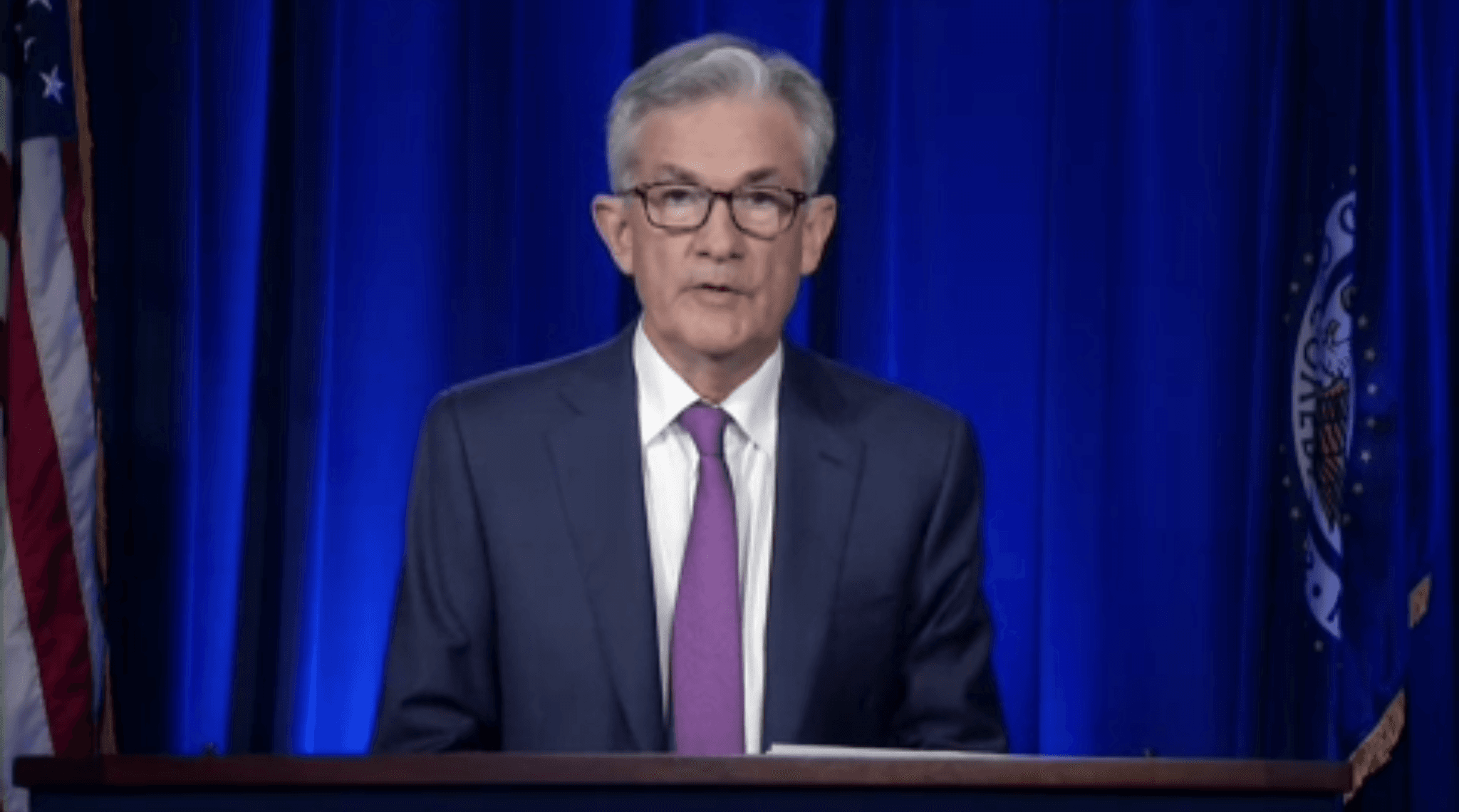
Federal Reserve Chair Jerome Powell and other global central bankers now face a significantly more complicated policy calculus. Just weeks ago, the market was pricing in multiple rate cuts for 2026, driven by a narrative of moderating inflation and a soft landing. This latest geopolitical development severely complicates that outlook, potentially derailing the disinflationary trend that the Fed has worked tirelessly to establish. The European Central Bank and Bank of England, already grappling with persistent core inflation, will find their paths to monetary easing even narrower. The Bank of Japan, on the cusp of potentially normalizing policy, may find its efforts complicated by imported inflation pressures. Central banks are likely to reiterate a data-dependent approach, but the probability of further rate hikes, or at least a prolonged period of restrictive policy, has undeniably increased.
The bond market’s immediate reaction saw a pronounced steepening of the yield curve, particularly between the two-year and 10-year Treasury notes, as longer-duration assets adjusted to elevated inflation expectations. This steepening reflects an unwind of the “higher for longer” narrative, suggesting that while short-term rates remain anchored by current Fed policy, the market is pricing in a greater risk of future inflation eroding the value of longer-dated fixed income. Credit spreads, particularly in energy-sensitive sectors and emerging markets, began to widen marginally, signaling a cautious reassessment of corporate credit risk. Investors holding significant duration risk, particularly in portfolios that had benefited from the disinflation trade, are now facing potential capital depreciation as yields rise. The repricing of interest rate volatility, as measured by options markets, also saw a notable uptick, indicating increased uncertainty among bond traders.
Beyond traditional fixed income, the implications ripple across all asset classes. Equities, particularly those with high energy input costs or dependent on stable global trade, are likely to face headwinds. Conversely, energy producers and commodity-linked equities could see a boost, creating a divergence in sector performance. The cryptocurrency market, often touted as a hedge against inflation, saw Bitcoin (BTC) trading at $78,912, holding relatively steady despite the broader market volatility, while Ethereum (ETH) climbed to $2,338. However, a sustained increase in inflation and interest rates could weigh on risk assets generally, including digital assets, as investors pivot towards safer havens. Commodities, especially crude oil, natural gas and industrial metals, are poised for continued upward pressure if the supply disruptions persist, further exacerbating inflationary concerns.
Market participants will now scrutinize upcoming inflation data, particularly the next Consumer Price Index and Producer Price Index reports, with heightened intensity. Any signs of broad-based price pressures beyond energy will solidify expectations for a more hawkish central bank stance. The Federal Open Market Committee’s next meeting in June will be critical, as will the post-meeting press conference by Chair Powell, where investors will seek clarity on the Fed's assessment of geopolitical risks and their impact on the inflation trajectory. Scenarios range from a swift resolution of tensions, allowing disinflation to resume, to a protracted conflict that could force central banks to choose between combating inflation and supporting economic growth, a choice that has historically been fraught with peril for bond investors.
The disruptions in the Strait of Hormuz serve as a potent reminder of geopolitical risk's enduring capacity to upend carefully constructed macroeconomic narratives. The bond market, ever the first to react to shifts in the inflation outlook, has clearly signaled a repricing of future interest rate expectations, pushing yields higher and challenging the notion of imminent rate cuts. For institutional money managers, the focus must now shift to hedging against renewed inflation and managing duration risk, as the era of predictable disinflation faces its most significant challenge yet. The path to monetary policy normalization has just become considerably more arduous, with the specter of a stagflationary environment once again appearing on the horizon, forcing a defensive posture across fixed income portfolios.