The concept of resilience has become a central theme in economic and climate policy — and from the bond market's perspective, that shift carries a direct cost in duration risk and persistent inflationary pressure.
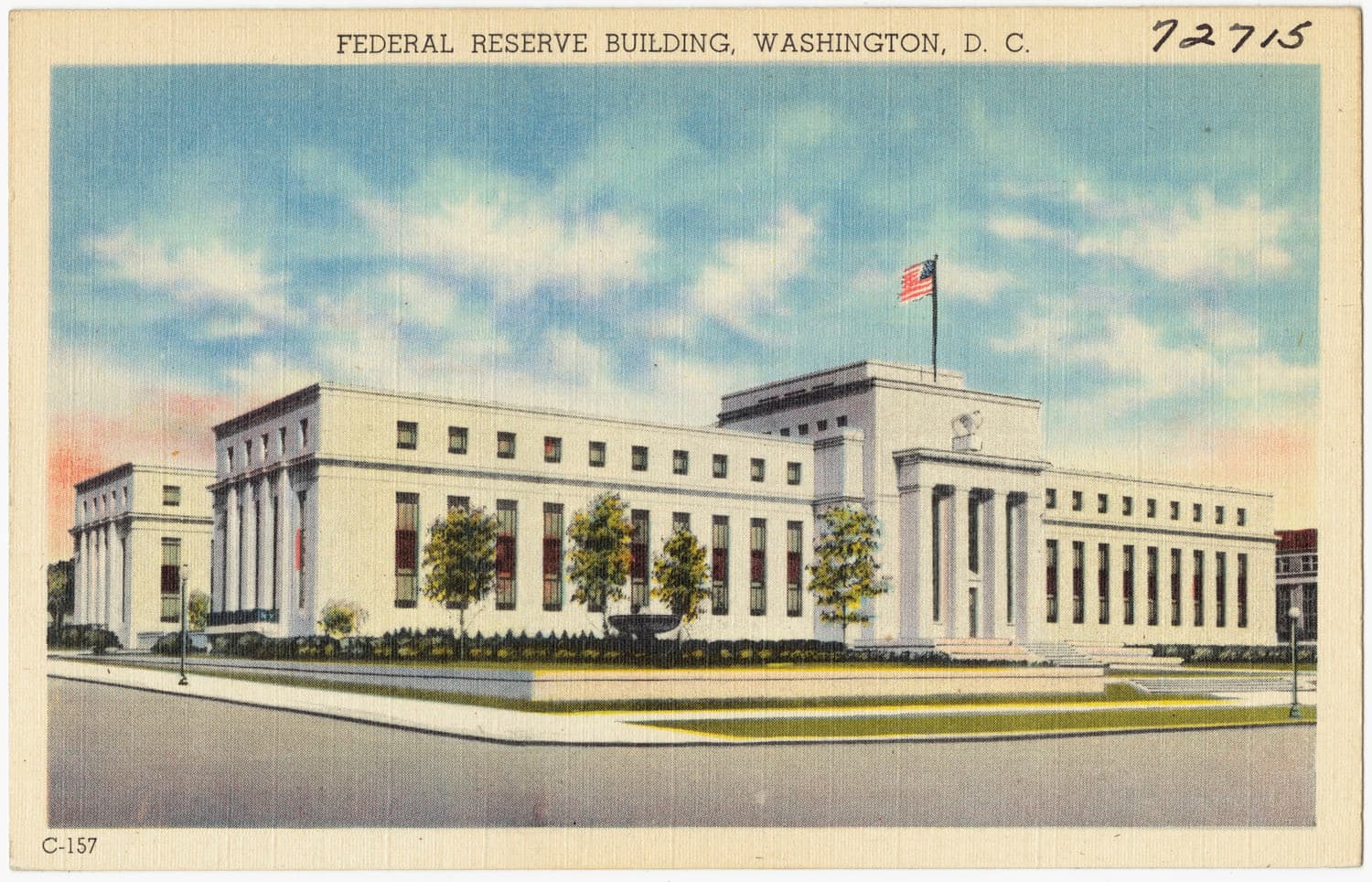
An economy built to resist downturns often sustains inflation. Core consumer prices have remained elevated, making the Federal Reserve's path to its 2 percent target harder to clear. That dynamic implies a higher-for-longer rate environment, pushing short-term yields up and keeping them there.
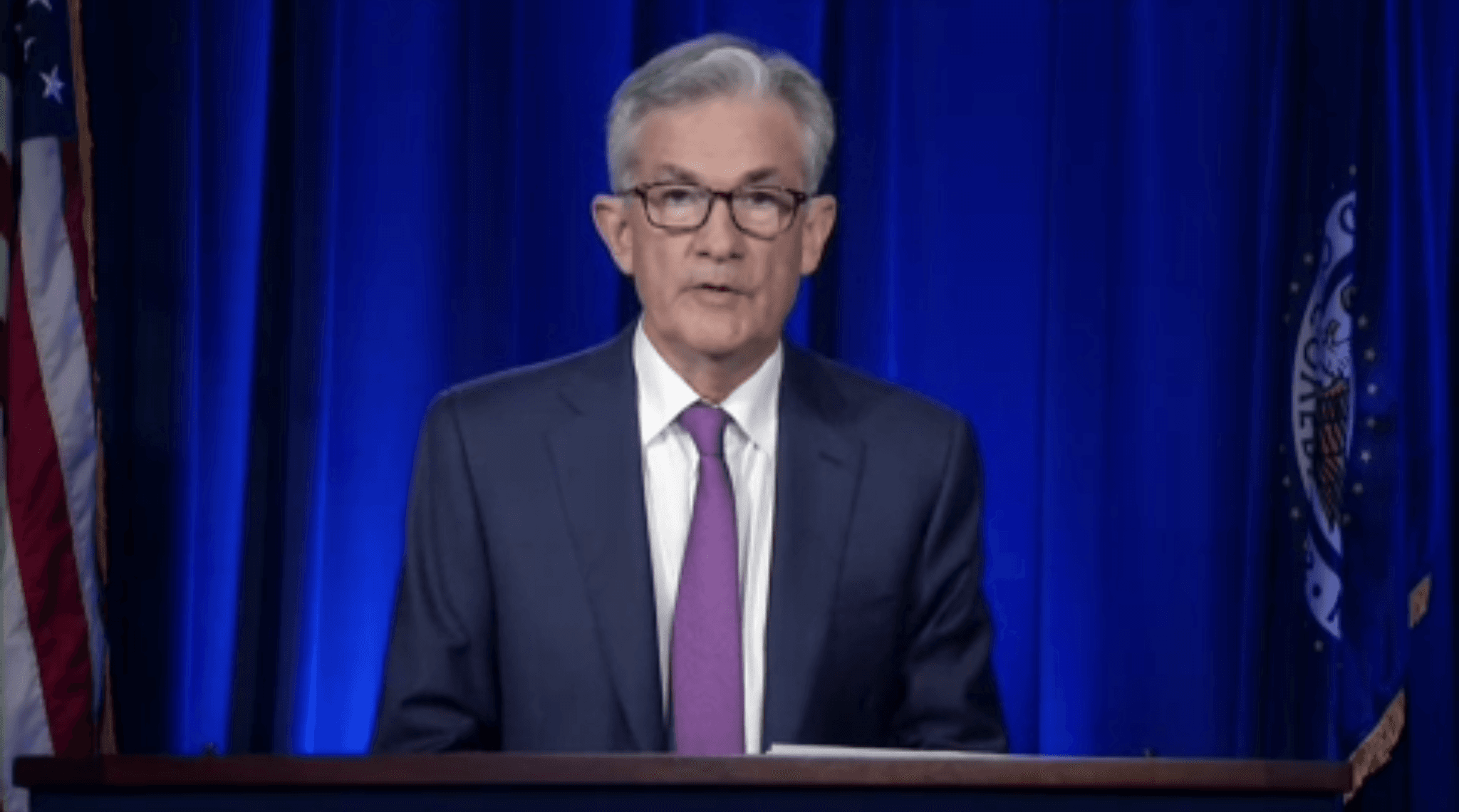
Federal Reserve Chair Kevin Warsh has said the central bank needs sustained disinflation before considering rate adjustments — a stance that signals willingness to hold restrictive policy as long as economic resilience translates into sticky price growth.
Climate resilience investment — infrastructure upgrades, supply chain reshoring — requires heavy government spending. That spending increases sovereign debt issuance, adding supply to the bond market and pressing long-end yields higher. The 10-year Treasury yield has held above 4.5 percent for much of the past quarter.
For fixed-income portfolios, the resilience theme translates directly to duration risk. Funds holding long-dated assets face continued capital depreciation as yields stay elevated. Spread compression in credit sectors tied to government-backed resilience projects could also emerge, narrowing the return premium investors collect for taking on that exposure.
Elevated short-term rates combined with rising long-term supply from fiscal resilience initiatives can flatten the yield curve, limiting carry opportunities and narrowing the margin for traditional bond strategies.