The growing policy emphasis on economic and climate resilience is filtering into bond market pricing as a signal for extended higher rates—implicitly accepting slower disinflation and pushing Fed easing timelines further out.
Fed funds futures now show a 68 percent probability of the first rate cut occurring no earlier than March 2027, up sharply from 45 percent priced three months ago. For fixed-income investors, a resilient economy means sticky inflation. That forces central banks to hold policy rates elevated, compressing the case for duration in long-dated bonds. The two-year Treasury yield sits at 4.62 percent, reflecting deep market skepticism about early cuts. The 2-10 year curve remains inverted at minus 48 basis points, pricing ongoing growth concerns despite current economic strength.
The climate resilience agenda adds a separate supply pressure. Large-scale public and private investment in resilience infrastructure requires debt financing, putting upward pressure on sovereign issuance and long-term yields. That dynamic complicates any central bank effort to bring inflation durably back to 2 percent.
Corporate spreads offer a mixed read. Investment-grade BBB-rated paper has tightened five basis points this quarter to 135 basis points over Treasuries—modest spread compression that signals credit comfort but also reflects yield-hungry buyers in a higher-for-longer environment. High-yield spreads remain wider, showing the market differentiates between firms with strong balance sheets and those exposed to persistent cost pressures.
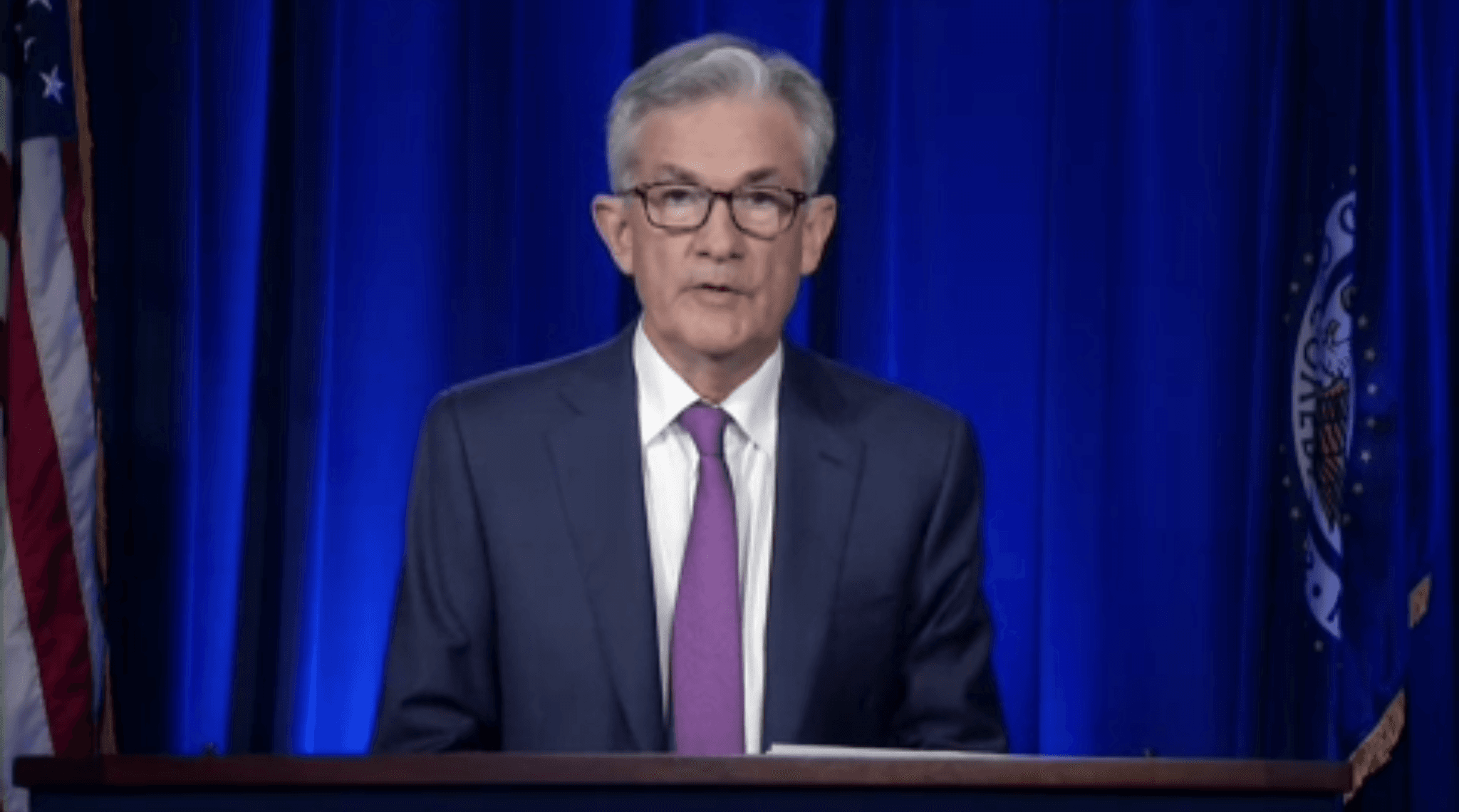
Federal Reserve Chair Kevin Warsh has repeatedly said the Fed needs sustained evidence of inflation moving toward 2 percent before considering easing. With resilience spending adding to both fiscal supply and structural inflation, bond portfolios face extended interest rate exposure. Active management of duration and credit risk is required to handle the evolving policy landscape.