NEW YORK — Gold continues to trade at elevated levels, signaling market conviction that U.S. inflation remains a threat. This resilience persists even as the two-year Treasury yield holds above 4.80 percent, a level that typically pressures non-yielding assets. The divergence highlights concern among institutional investors regarding the Federal Reserve's long-term inflation control.
Bond market participants are extending duration risk in anticipation of eventual rate cuts, but real yields remain compressed due to sticky inflation expectations. The 10-year Treasury yield sits near 4.50 percent, creating a flatter curve compared to recent months, particularly in the 2s/10s spread. This compression suggests the market views current short-term rates as restrictive, but not sufficient to fully tame price increases over the medium term, forcing investors into alternative stores of value like gold.
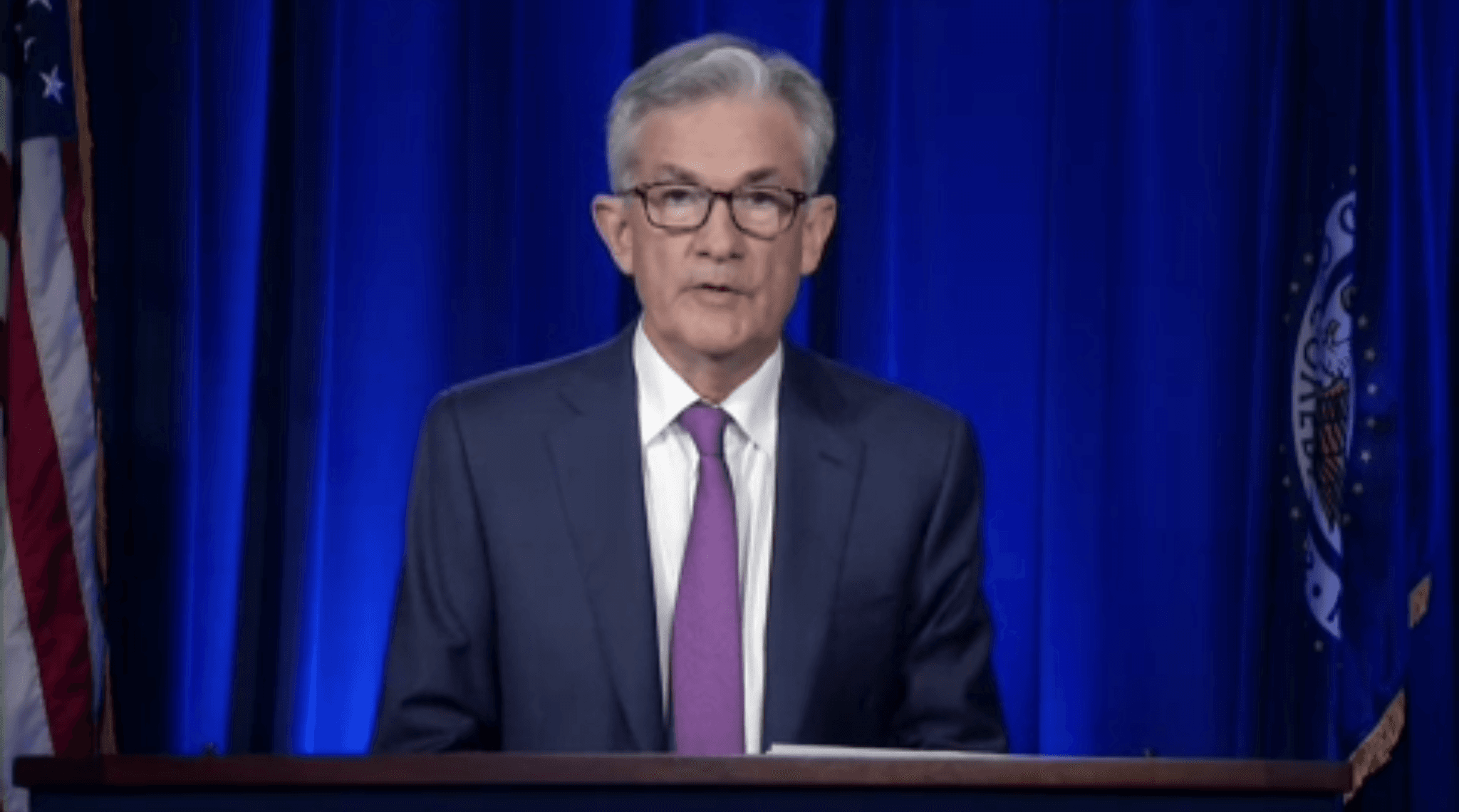
The Federal Reserve has maintained a restrictive stance, with Chair Jerome Powell repeatedly emphasizing a data-dependent approach to policy. However, the market's pricing of future rate cuts has shifted dramatically, with fed funds futures now showing less than a 50 percent probability of a cut before September. This recalibration suggests a growing belief that the Fed will need to hold rates higher for longer, a scenario that supports gold as an inflation hedge if nominal yields fail to keep pace with rising price levels.
The dollar index trades at 105.3, near its highest point since November, yet gold has maintained its recent gains. This unusual correlation suggests the dollar's strength is not primarily driven by disinflationary forces or a flight to safety within the United States economy. Instead, global growth concerns or relative United States economic outperformance may be supporting the dollar, while gold benefits from domestic inflation hedging and geopolitical uncertainties.
Asset managers are re-evaluating their inflation hedges. BlackRock recently increased its gold exposure across several multi-asset funds. The firm's Q1 investor letter cited "unconventional inflation drivers" as a primary concern for 2026, prompting a tactical overweight in commodities and other real assets.
The market appears to be looking past immediate Fed rhetoric, anticipating that the path to two percent inflation will be protracted. This outlook underpins gold's current valuation, reflecting a bond market that remains wary of a premature declaration of victory against inflation.