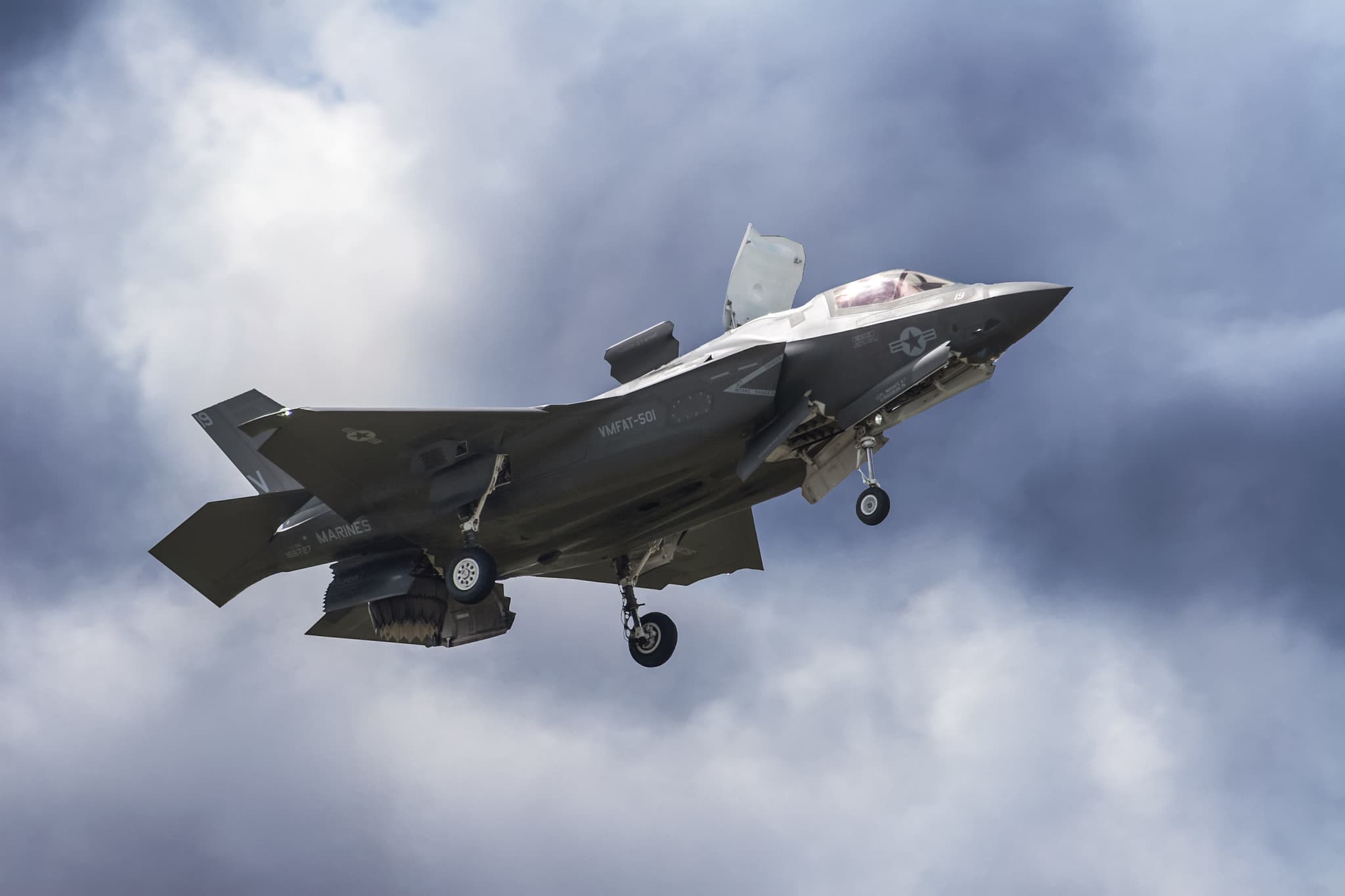
Iranian state media claimed its navy attacked three U.S. destroyer vessels in the Persian Gulf today. The unverified report escalated geopolitical tensions in the Strait of Hormuz, a chokepoint for global oil transit. The Pentagon has not confirmed or denied the claim, leaving markets to react to unverified reports.
U.S. equity markets reacted swiftly, with the S&P 500 dropping 0.4 percent, the Dow Jones falling 0.6 percent and the Nasdaq declining 0.1 percent by market close. Defense contractors like Northrop Grumman and Raytheon Technologies often see stock gains during periods of military activity, signaling a transfer of wealth to the defense sector.
The reported incident pressures President Trump's administration, which maintains a firm stance against Iranian nuclear ambitions through an aggressive sanctions regime. Washington lawmakers, particularly on the Senate Armed Services Committee, would face intense lobbying from defense industry groups pushing for a robust military response. Think tanks like the American Enterprise Institute, funded by defense interests, would also intensify public calls for retaliation, shaping policy debates.
The Persian Gulf handles roughly one-fifth of the world's petroleum consumption passing through the Strait of Hormuz daily. Any disruption would spike shipping insurance costs and energy prices, creating a financial burden for importers in Asia and Europe. This scenario hands economic leverage to alternative oil-producing nations like Saudi Arabia, reshaping global energy market power dynamics.
A prolonged escalation risks disrupting global trade routes, affecting industries from manufacturing to consumer goods. Major shipping companies would face higher operational costs, passed directly to consumers through increased prices. The U.S. Navy's ability to ensure safe passage through international waters is a cornerstone of American global influence, making any challenge a direct test of Washington's strategic power.