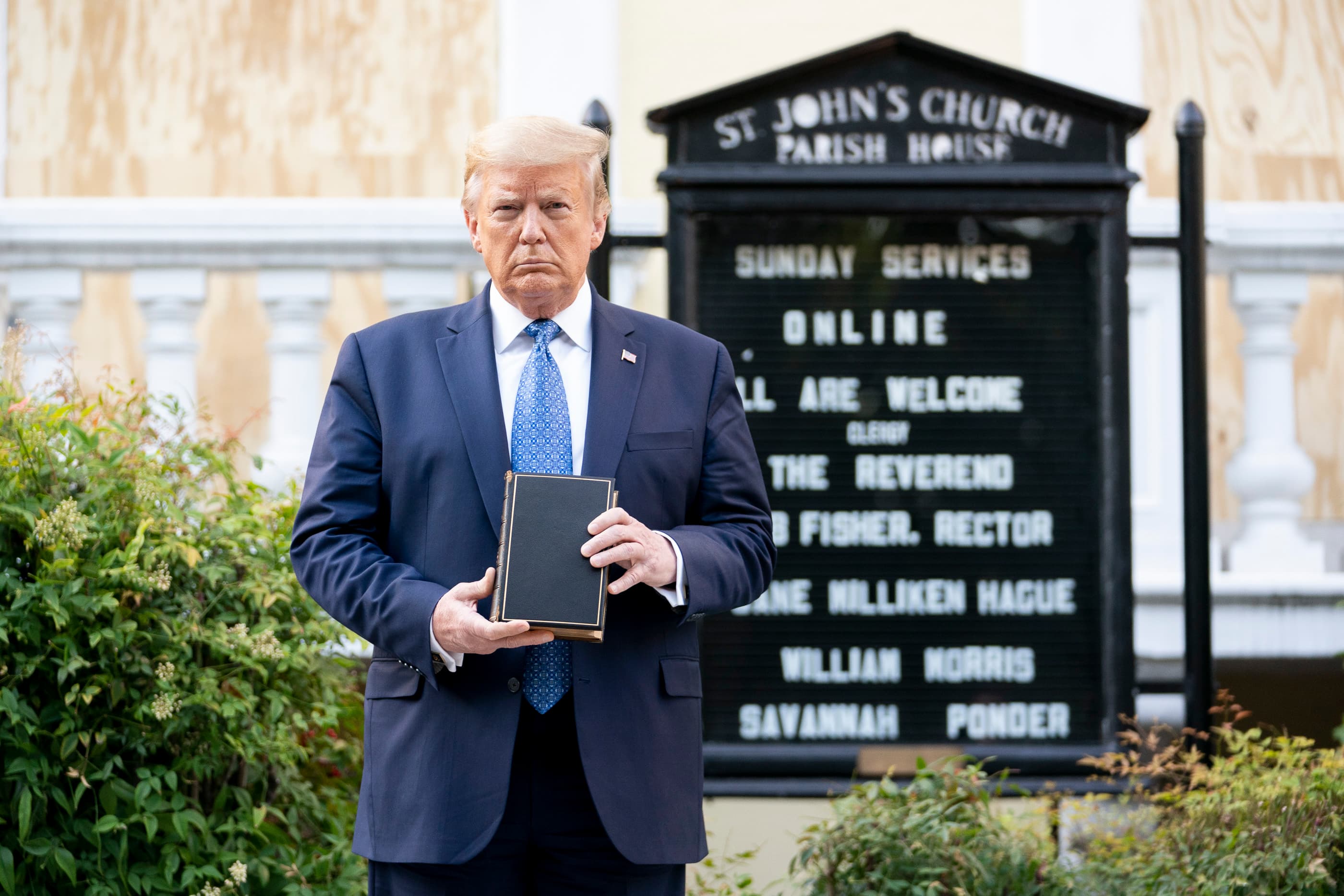
WASHINGTON — House Oversight Committee Democrats formally launched a probe into President Trump's pardons from his first term on May 7. The committee seeks to determine if financial donations or other benefits influenced clemency decisions, alleging a direct "pay-to-play" scheme. This action sets up a new political battleground in Washington, putting the administration's past actions under renewed scrutiny.
The investigation targets individuals who received pardons and their connections to President Trump's political campaigns, associated PACs and legal defense funds. Lawmakers will seek financial records and communications related to specific pardons, aiming to uncover any quid pro quo arrangements. This scrutiny extends to direct campaign contributions, undisclosed gifts and indirect financial support provided by beneficiaries or their allies. The committee will examine the timing of these financial flows relative to the clemency grants.
Lobbying efforts supporting clemency decisions often involve substantial fees paid to prominent Washington firms. These firms frequently engage with White House and Justice Department officials, pushing for specific outcomes on behalf of high-net-worth individuals or corporate entities. Such expenditures create a shadow market for influence. The probe aims to trace these financial pathways, identifying the specific lobbyists and their clients involved in successful pardon requests.
The Democratic-led inquiry puts President Trump's past actions under renewed scrutiny as the 2026 midterm elections approach. Democrats aim to expose any transactional relationships, potentially impacting public perception of the administration's integrity and campaign finance reform discussions. Republicans on the committee dismiss the probe as politically motivated, arguing it diverts attention from current legislative priorities and serves as an election-year attack.
Winners in this scenario include the pardoned individuals who avoided legal consequences. Losers could be public trust in the executive clemency process and potentially President Trump's political standing if evidence of direct financial benefit emerges. The probe carries significant political risk for both parties, with the first hearings expected within two weeks.