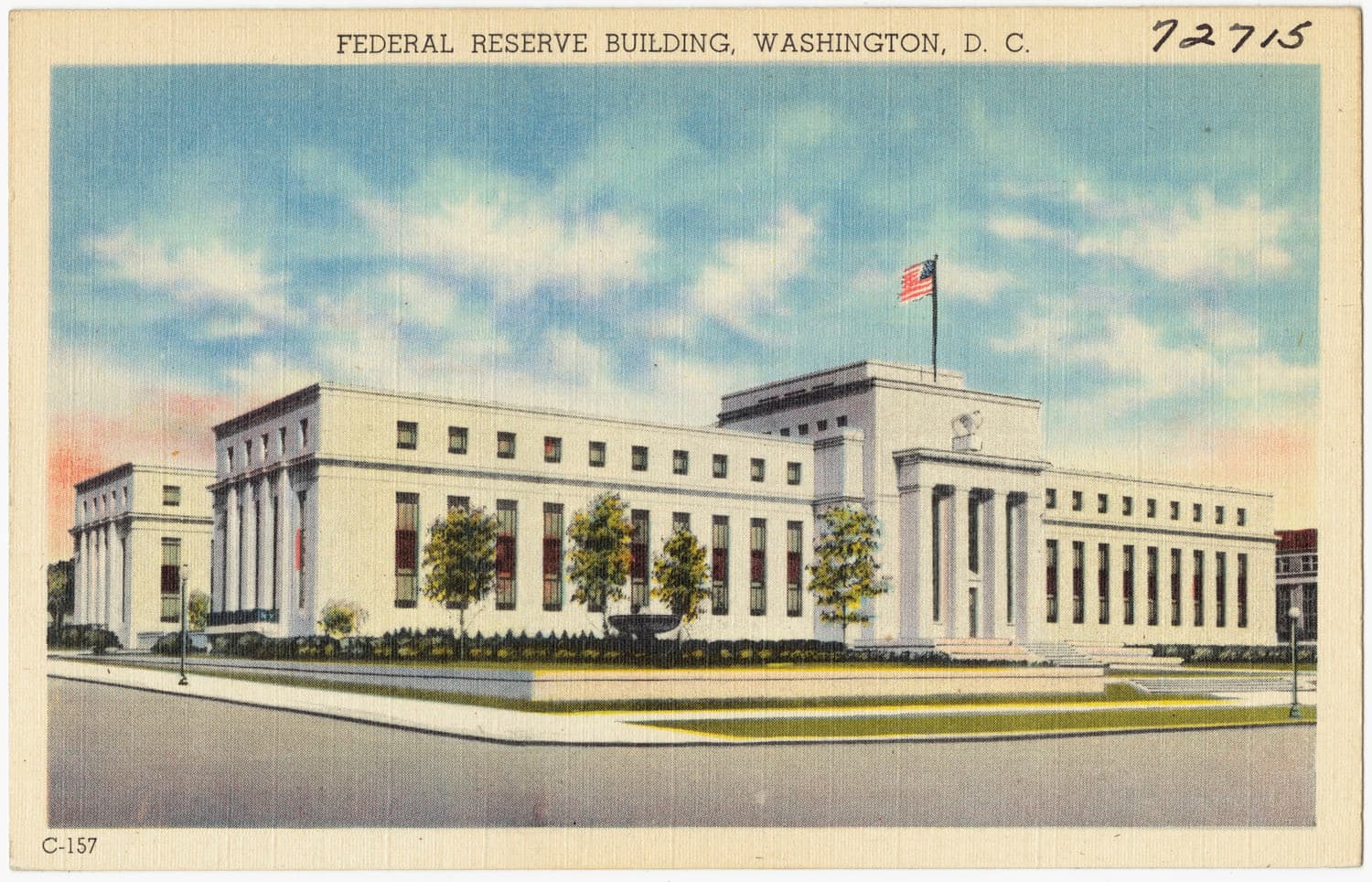
NEW YORK — The market prepares for next week's consumer price data, with analysts forecasting a robust print that affirms ongoing inflationary pressure. This expectation puts strain on the Federal Reserve's timeline for policy normalization, pushing initial rate cut probabilities into the future. Fixed-income traders see little room for easing in the near term, reflecting the Fed's commitment to its 2 percent target.
A hotter-than-expected CPI release would likely send the two-year Treasury yield higher, potentially breaking above 4.90 percent, and steepening the inversion of the 2s10s curve. This scenario tightens duration risk across bond portfolios, particularly for institutional investors holding long-end Treasuries. Spread compression on investment-grade corporate bonds could also reverse, as credit spreads widen to compensate for increased rate volatility and reduced liquidity.
Shelter costs, particularly owners' equivalent rent, remain a primary driver of core inflation, showing little sign of deceleration in recent months. Services inflation continues to be sticky, making the Federal Reserve's 2 percent target more elusive despite some moderation in goods prices observed in previous reports. This persistent stickiness frustrates consumers, who face elevated living costs, and challenges the Fed's narrative of controlled disinflation.
Federal Reserve Chair Jerome Powell has consistently said that policy will remain restrictive until clear and sustained disinflationary trends emerge. Futures markets now price only a 15 percent probability for a June rate cut, a reduction from the 40 percent priced just a month ago. This recalibration reflects a market that has adjusted to the Fed's data-dependent, higher-for-longer stance, forcing investors to reassess their yield curve positioning.
Institutional money managers continue to de-risk portfolios, favoring shorter-duration assets and increasing cash allocations to mitigate interest rate sensitivity. This defensive posture is evident in the subdued demand for longer-dated Treasury auctions. The dollar index has shown resilience, trading near 105.3, reflecting the relative strength of U.S. yields compared to other major economies and supporting a preference for dollar-denominated assets.
Companies with high debt loads, particularly those in the lower-rated segments of the corporate bond market, face rising refinancing costs as yields stay elevated. This dynamic could lead to increased defaults if economic growth slows, adding another layer of risk to credit markets already contending with tighter financial conditions. The current environment prioritizes capital preservation.