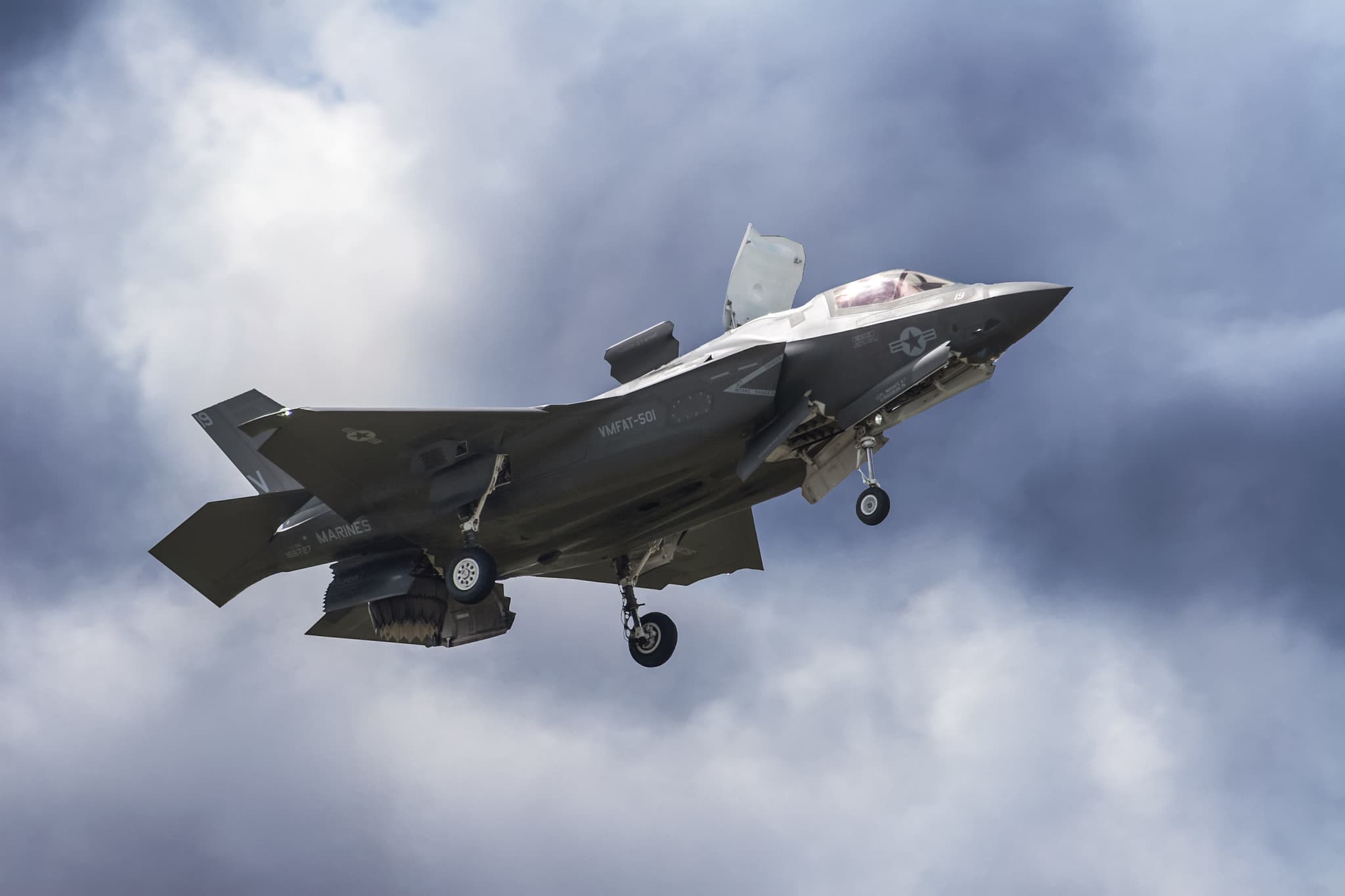
WASHINGTON — Iran's new Guard Corps announced its missiles and drones are positioned to strike U.S. targets, awaiting orders. The threat comes from the IRGC's aerospace division, a key component of Iran's military power projection across the Middle East. The statement escalates tensions in the Persian Gulf, challenging the U.S. military presence in the region and raising the specter of direct confrontation.
Crude oil prices rose sharply following the IRGC's declaration, reflecting immediate investor concern over potential supply disruptions from the Strait of Hormuz, a critical global shipping lane. Defense sector stocks, including major contractors, saw increased buying interest in early trading, as investors anticipate heightened demand for military hardware and services in a more volatile geopolitical environment.
The assertive move by the IRGC places immediate pressure on President Trump's foreign policy team to formulate a calibrated response. The threat aims to deter further U.S. military or economic actions against Iran, while also bolstering the domestic standing of hardline factions within Tehran. The power dynamic shifts as Iran signals a clear willingness to directly confront U.S. assets, forcing a rapid recalculation of risk for all regional actors and international shipping.
Despite the serious nature of the Iranian threat, major U.S. equity markets showed resilience through the trading day. The Nasdaq closed up 1.7 percent at 26,247, and the S&P 500 rose 0.8 percent to 7,399.
A sustained period of elevated tension could disrupt global trade routes, particularly energy shipments through the Strait of Hormuz, leading to increased energy costs for consumers and businesses worldwide. For the United States, a prolonged standoff would likely divert federal spending toward defense, potentially impacting other domestic legislative priorities and fiscal balances.