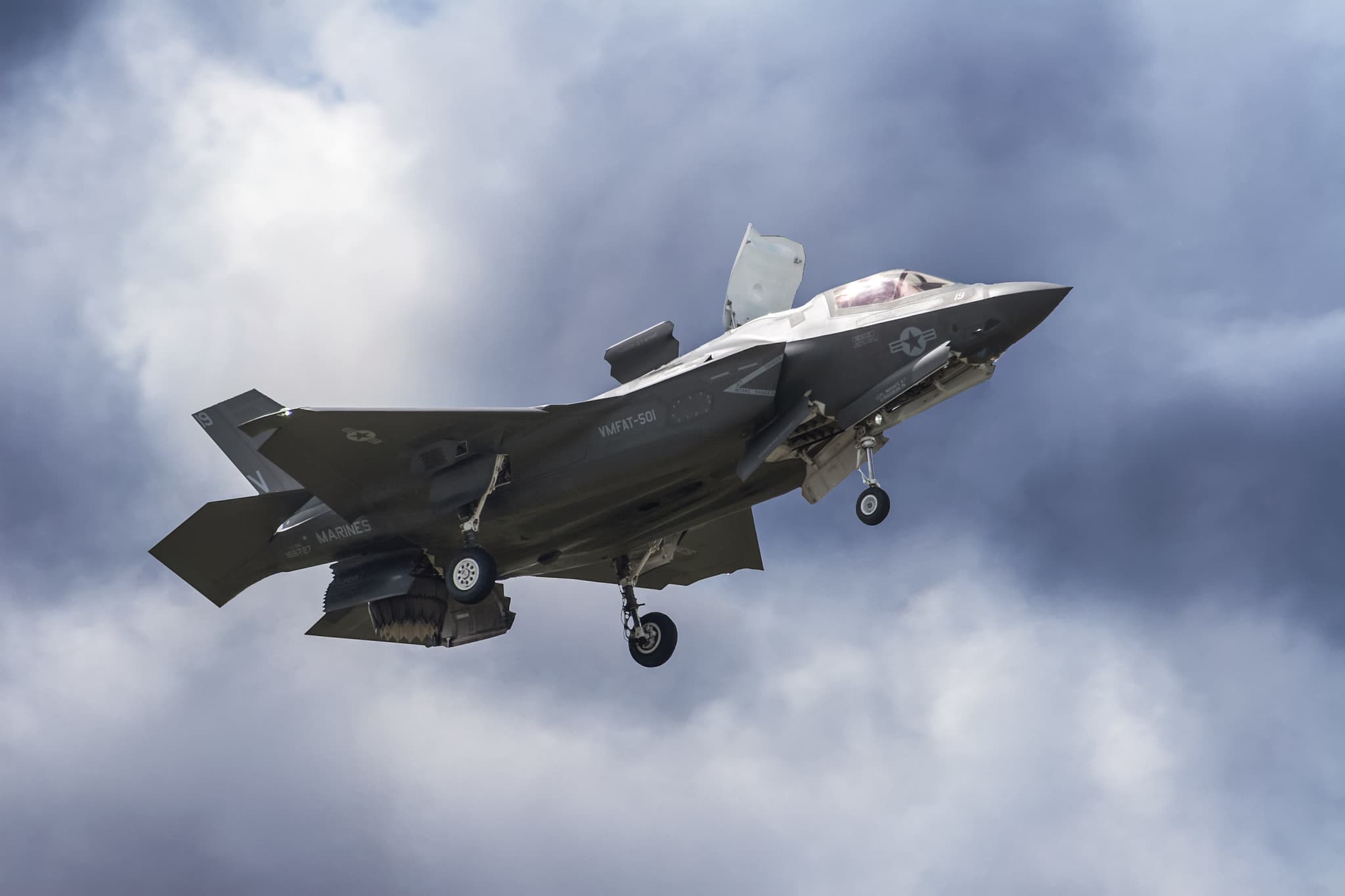
WASHINGTON — The U.S. Southern Command confirmed two individuals died during an interdiction operation on an alleged drug vessel in the Caribbean Sea. The strike, which occurred early Friday, targets a suspected narco-terrorist network responsible for moving an estimated 1.5 tons of cocaine monthly, valued at more than $45 million on U.S. streets. It marks the latest escalation in President Trump's directive to disrupt illicit financial flows funding transnational criminal organizations.
The military action directly attacks the revenue streams of cartels, which leverage financial networks including shell corporations and crypto assets to move billions. The Treasury Department estimates drug trafficking generates hundreds of billions globally, with a significant portion laundered through digital asset exchanges, dark web marketplaces and offshore accounts. Disrupting these supply lines forces criminal organizations to absorb higher transportation costs, seek new financial conduits and reduces their profit margins. This directly impacts their ability to bribe officials and expand operations.
The incident highlights a shift in U.S. counter-narcotics policy under the Trump administration, moving beyond simple interdiction to direct engagement against what officials term narco-terrorist groups. The Drug Enforcement Administration and the Department of Homeland Security have intensified intelligence sharing with military assets, focusing on dismantling the financial infrastructure of these groups, not just seizing drugs.
Winners in this campaign include companies specializing in blockchain analytics, such as Chainalysis and TRM Labs, which provide tools to government agencies for tracking illicit crypto transactions. Their contracts with federal entities have expanded as the United States prioritizes tracing digital money trails. Traditional financial institutions face increased pressure to enhance their anti-money laundering compliance, with regulatory fines for lapses reaching $2.5 billion last year.
This stance signals continued U.S. military involvement in anti-drug operations across the Caribbean and Pacific corridors, targeting high-value financial facilitators. The White House emphasizes that such strikes aim to degrade the financial power of organizations that threaten national security and contribute to destabilizing regional economies. Further military actions and financial sanctions are expected as the administration maintains pressure on these criminal networks.