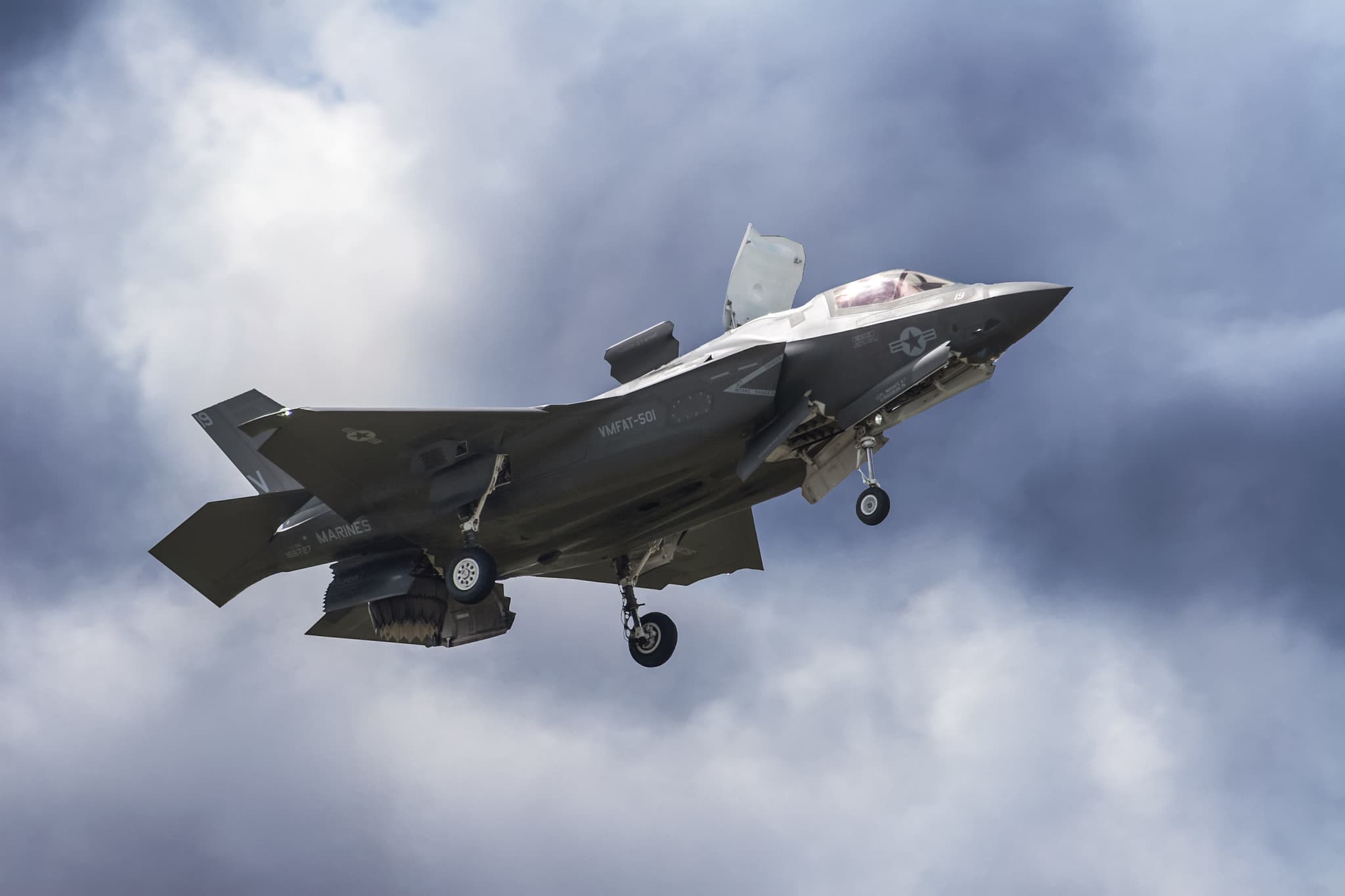
WASHINGTON — President Trump's administration faces growing scrutiny over its military engagement in Iran. Public and congressional sentiment indicate the conflict is not yielding desired strategic outcomes, placing political pressure on the White House's foreign policy record and approval ratings.
Podcaster Joe Rogan recently suggested that a government UFO file release could serve as a calculated distraction from these mounting political costs.
The financial stakes in the Iran conflict are substantial. The U.S. defense budget topped $886 billion for fiscal 2026, largely funding military operations. Major defense contractors like Lockheed Martin, Raytheon Technologies and Northrop Grumman secure multi-billion dollar contracts for weapons systems, logistics and intelligence services deployed in the region. These corporations maintain lobbying operations on Capitol Hill, spending tens of millions annually to influence defense spending through committees like House Armed Services and Senate Foreign Relations.
A sudden release of classified UFO documents would dominate media cycles and public discourse. Such a release would instantly shift headlines from geopolitical struggles to a topic of widespread fascination. This tactic could redirect public criticism away from the war's progress and the administration's handling of the conflict, temporarily easing political pressure on the White House.
By shifting the national conversation to a sensational topic, the administration can control the narrative, moving focus from military setbacks to a subject with broad public appeal. Opposition lawmakers, including Senate Majority Leader Chuck Schumer, who have pushed for detailed reporting on war costs and progress, might find their efforts sidelined. Such a move creates a new front for political debate, potentially fragmenting calls for oversight and faster resolution to the costly foreign engagement.