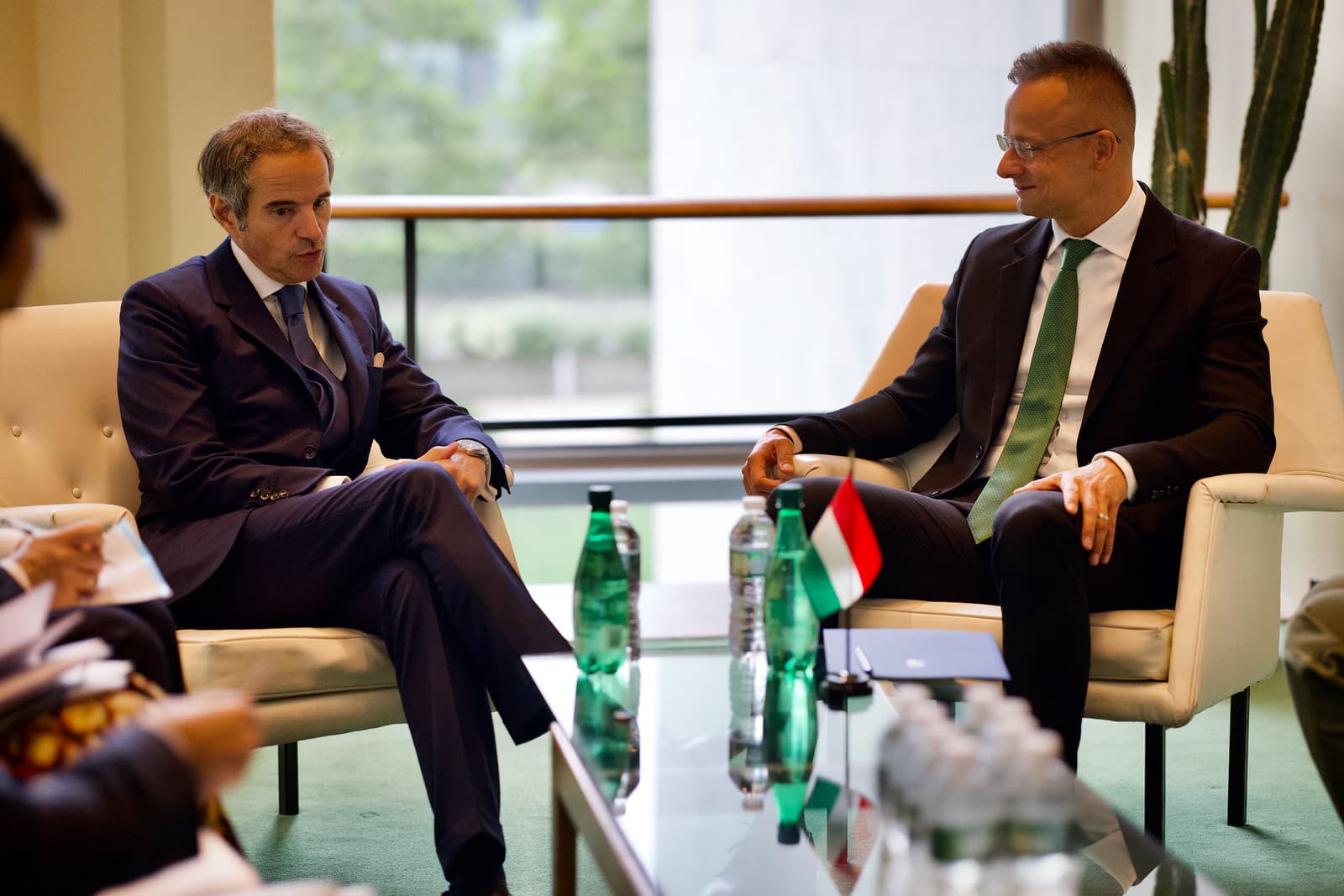
BUDAPEST — A Hungarian ministerial nominee announced a comprehensive review of the Paks II nuclear power plant expansion, a project vital to the nation's long-term energy strategy. The statement signals a potential re-evaluation of Hungary's energy future and its foreign investment commitments. This move could reshape Budapest's geopolitical alignment, particularly concerning its energy ties with Russia.
The Paks II project involves constructing two new VVER-1200 reactors, designed to add 2,400 megawatts of capacity to Hungary's grid. Its estimated cost exceeds 12 billion euros, with Russia providing a state loan to cover 80 percent of the financing. A review could lead to renegotiations of existing agreements, potentially impacting Hungary's sovereign debt profile and the cost of capital for future infrastructure initiatives.
Hungary currently generates approximately 50 percent of its electricity from the four existing reactors at the Paks site. The expansion aims to secure energy independence, reducing the country's reliance on volatile natural gas imports and stabilizing long-term electricity prices. Any delay or alteration to Paks II could force Hungary to seek alternative energy sources, potentially increasing its exposure to global commodity price fluctuations.
The European Union has long expressed concerns over the Paks II project, citing issues related to competition and energy diversification. While the European Commission approved the project in 2017, a review by Hungary could reopen discussions with Brussels regarding energy policy alignment. Such discussions might influence the availability of EU funds for other Hungarian infrastructure projects.
The announcement introduces a new layer of uncertainty for fixed-income investors holding Hungarian government bonds. Market participants will closely monitor the review's progress for signs of fiscal strain or shifts in geopolitical risk premiums. A prolonged re-evaluation period could pressure Hungarian bond yields higher, reflecting increased duration risk and potentially widening credit default swap spreads against European benchmarks.
The forint's exchange rate against the euro and U.S. dollar may also experience heightened volatility as currency traders assess the implications for foreign direct investment flows. The ministerial nominee is scheduled for a parliamentary confirmation hearing next week, where lawmakers are expected to press for details regarding the scope and timeline of the Paks II project review.