NEW YORK — The Federal Reserve's balance sheet decreased by $18.5 billion last week, falling to $7.23 trillion. This marks the seventh consecutive weekly decline, continuing to drain liquidity from the financial system and tighten financial conditions. The reduction aligns with the Fed's ongoing quantitative tightening program, which has pulled more than $1.7 trillion from the system since its peak in April 2022.
This sustained runoff contributes to persistent upward pressure on short-term Treasury yields. The two-year Treasury yield rose four basis points to 4.93 percent following the data release, reflecting reduced reserve balances and tighter funding conditions in the money markets. This re-pricing of short-term debt reinforces the market's duration risk premium, leading to a flattening bias in the yield curve. The two-year/10-year yield spread tightened by two basis points, moving further into inversion at negative 37 basis points.
Reduced systemic liquidity also impacts broader corporate credit markets. While investment-grade corporate bond spreads have shown minor compression, high-yield spreads remain elevated as investors demand higher compensation for credit risk in a tighter monetary environment. This spread compression in investment-grade debt indicates a flight to quality, while the high-yield segment faces challenges from reduced bank lending capacity.
Banks are less inclined to extend credit aggressively as reserve balances decline, affecting overall loan growth and increasing the cost of capital for businesses. The effective fed funds rate held steady at 5.43 percent, reflecting persistent demand for overnight funding and the market's reliance on the Fed's standing facilities. This signals a continued restrictive stance by the central bank.
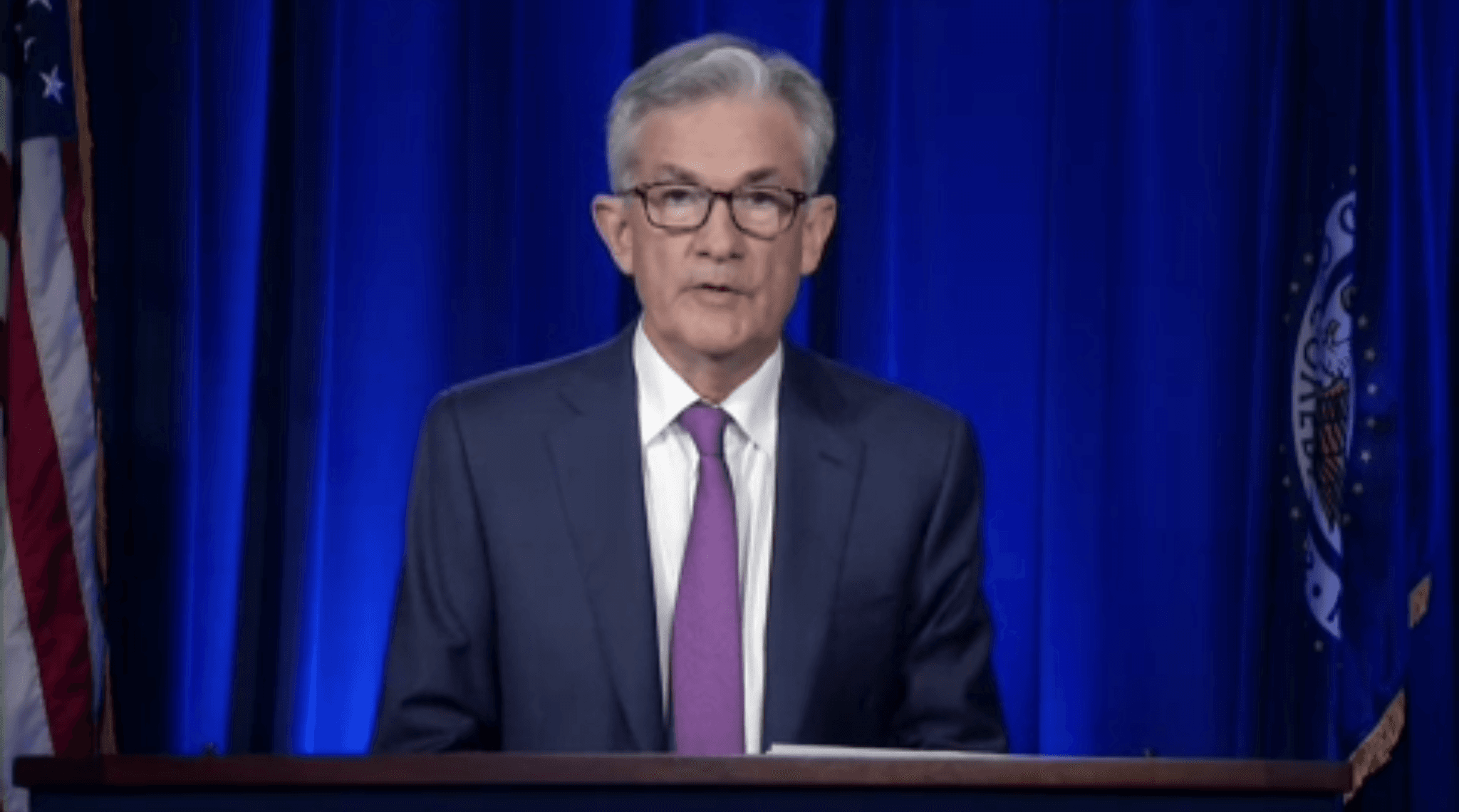
The sustained balance sheet reduction reinforces the Federal Reserve's commitment to its restrictive policy stance. Chair Jerome Powell has repeatedly emphasized the need to fully restore price stability before considering any policy pivots, pushing back against early rate cut expectations. Futures markets now price an 82 percent chance of no rate cut at the June FOMC meeting, a sharp contrast to earlier expectations for multiple cuts this year.