The Israeli military confirmed today it killed Marwan Issa, the leader of Hamas's military wing, in a targeted airstrike in central Gaza. Issa, a key architect of the Oct. 7 attacks, was the highest-ranking Hamas official eliminated by Israel since the war began. His death represents a blow to the group's operational command and control.
Issa's removal creates immediate power struggles within Hamas. While Yahya Sinwar remains the overall political leader, Issa was central to the group's military strategy and day-to-day operations. This vacuum could force a leadership reshuffle, potentially delaying any coordinated military response from Hamas and impacting its ability to negotiate future hostage releases. Diplomatic efforts by the United States and Qatar to broker a ceasefire now face a changed landscape.
The killing carries direct financial implications for regional stability and global markets. Heightened tensions in the Middle East often translate to higher energy prices. While crude oil prices did not see an immediate spike, the underlying risk premium for oil supply disruptions from the Strait of Hormuz remains elevated. This geopolitical volatility contributes to a risk-off sentiment in equity markets, seen today as the S&P 500 dropped 1.2 percent and the Nasdaq fell 1.5 percent.
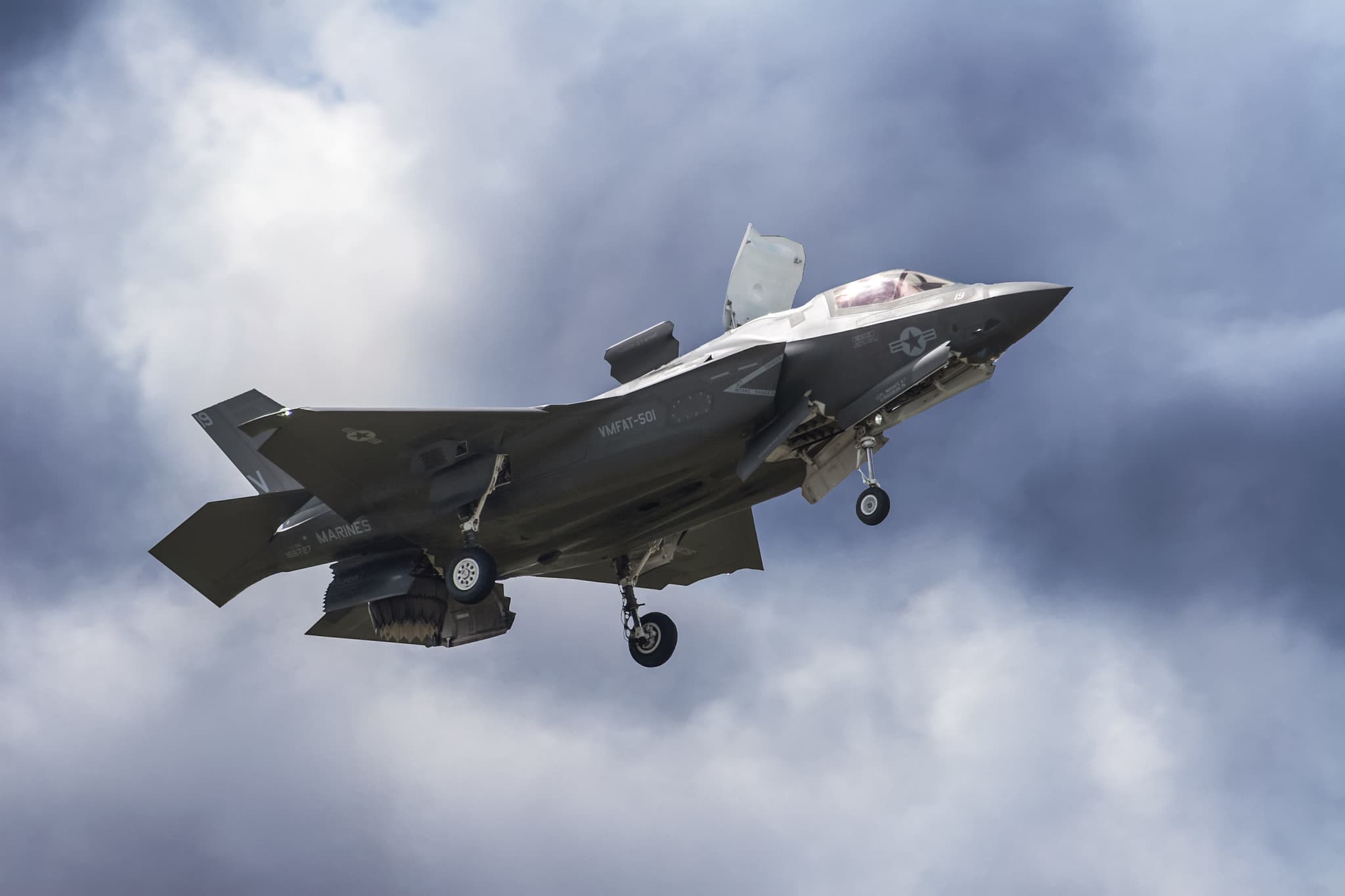
Defense sector companies stand to gain from sustained conflict. Large U.S. defense contractors like Lockheed Martin and Raytheon Technologies typically see increased order backlogs and higher stock valuations during periods of global instability. These companies provide missile defense systems, armaments and surveillance technology, which are in greater demand as regional conflicts persist. The U.S. Congress approved a $14.5 billion aid package to Israel in late 2023, much of which flows to American defense firms.
The strike also impacts the diplomatic leverage of the United States. President Donald Trump's administration has consistently backed Israel's right to self-defense while pushing for humanitarian aid and a de-escalation of conflict. Issa's killing, a clear demonstration of Israel's military capability, may embolden hardline factions in the Israeli government, making a negotiated settlement more difficult. This outcome could complicate U.S. efforts to forge broader regional stability, including potential normalization deals between Israel and Saudi Arabia.