President Trump returns to Washington this weekend, confronting a U.S. economy showing strain as the Iran war expands. Major indices fell Friday, with the Nasdaq dropping 1.5 percent to 26,225 and the S&P 500 declining 1.2 percent to 7,409. Escalating tensions in the Middle East have pushed energy prices higher, threatening to reignite inflation and squeeze consumer spending across the United States.
The conflict's impact hits global energy markets, driving up operational costs for nearly every sector. This economic pressure complicates the Federal Reserve's path; Chair Jerome Powell has maintained a cautious stance on rate adjustments, prioritizing inflation control. Any sustained rise in energy prices could force the Fed to delay anticipated rate cuts, tightening credit conditions for businesses and consumers. This scenario benefits large banks like JPMorgan and Bank of America, which profit from higher net interest margins.
Trump's visit to China focused on trade stability and supply chain resilience, according to White House briefings. These discussions aimed to reduce risk in key sectors, particularly semiconductors and rare earth minerals, but the gains risk being overshadowed by the Middle East crisis. U.S. companies with international operations, particularly in manufacturing and logistics, face higher costs and reduced consumer demand from prolonged geopolitical instability. Lobbying groups representing these industries, like the National Association of Manufacturers, have already increased outreach to Capitol Hill regarding energy cost relief.
Administration officials are preparing to address the economic fallout during Sunday news programs. Vice President JD Vance and Commerce Secretary Wilbur Ross are expected to outline measures to stabilize energy markets and protect U.S. consumers from price surges. This strategy aims to mitigate political damage ahead of the 2026 midterm elections, where economic performance often dictates voter sentiment and can sway control of Congress. The administration faces pressure to show economic strength despite external shocks.
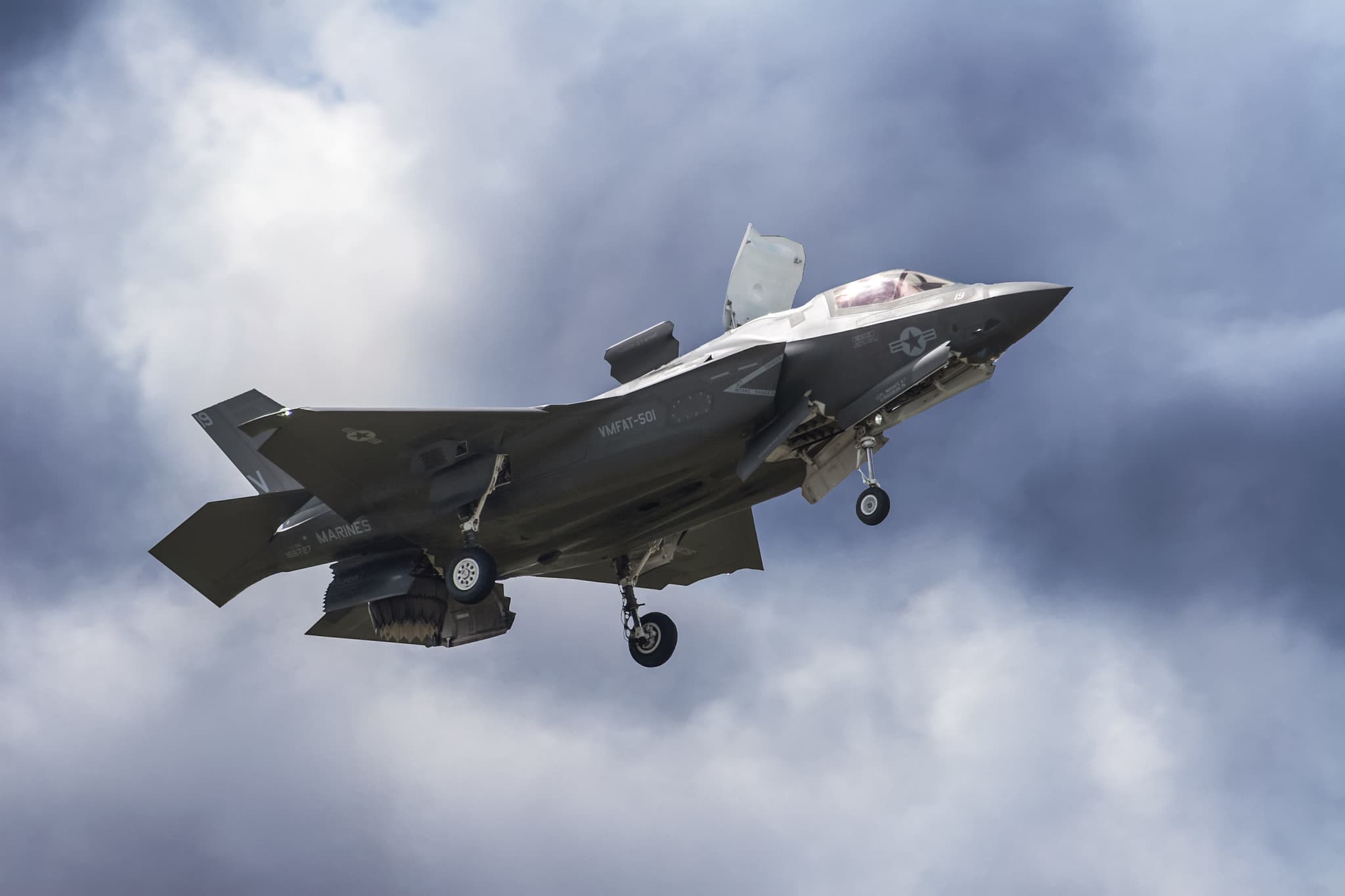
The rising cost environment puts pressure on corporate earnings and investor confidence. Tesla shares fell 4.8 percent to $422.24 Friday, and NVDA dropped 4.4 percent to $225.32, reflecting broad investor concerns over growth prospects in a high-cost environment. Companies reliant on stable global supply chains and robust consumer discretionary spending will bear the brunt of this economic anxiety. Defense contractors could see increased revenue streams as global tensions rise, shifting investor capital.