WASHINGTON — President Trump's summit with Chinese President Xi Jinping in Beijing concluded without new commitments regarding Taiwan's status or future U.S. arms sales to the island. This outcome maintains Washington's long-standing policy of strategic ambiguity, avoiding any immediate shift that could either appease Beijing or inflame tensions.
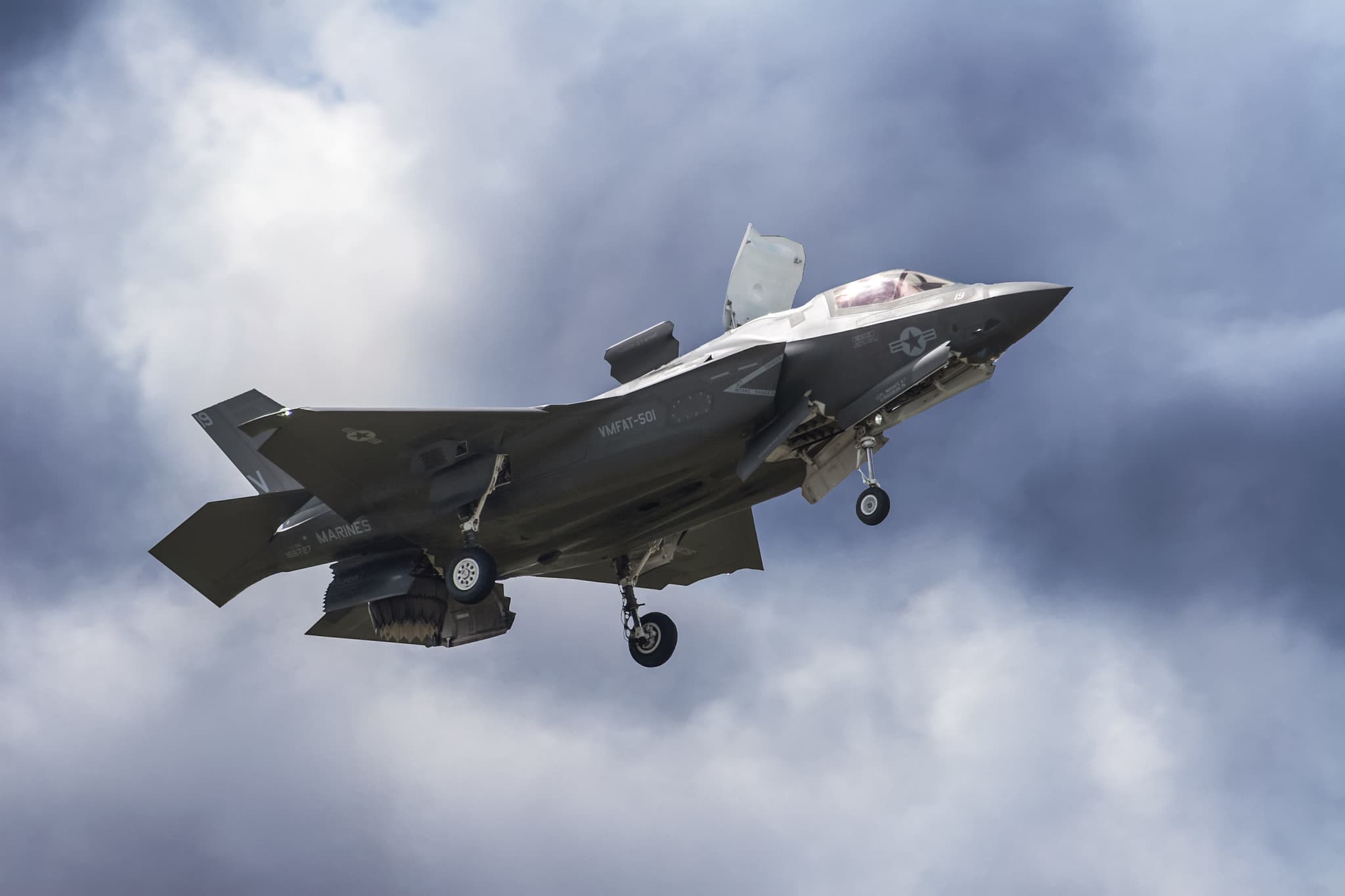
The absence of new restrictions on arms sales represents a clear win for U.S. defense contractors and congressional China hawks. Companies like Lockheed Martin and Raytheon Technologies, both major suppliers of military hardware to Taiwan, benefit from continued demand for defensive capabilities. The Aerospace Industries Association, a powerful trade group representing these firms, reported spending $12.3 million on federal lobbying in 2025 alone, advocating for robust defense budgets and foreign military sales in critical regions.
While Taiwan's government likely views the non-commitment as relief from immediate policy shifts, it also means continued uncertainty without a firm, explicit security guarantee beyond existing understandings. Chinese officials, who had reportedly sought specific assurances on limiting arms transfers, gained no such concessions. This outcome suggests Beijing's diplomatic efforts to reshape the U.S. approach to Taiwan made little headway.
The continued geopolitical tension in the Indo-Pacific region carries significant implications for global supply chains, particularly for the semiconductor industry. Taiwan Semiconductor Manufacturing Company, the world's largest contract chipmaker, saw its shares hold steady following the summit news, reflecting market participants' expectation of continued status quo. Major U.S. tech companies like Apple, trading at $300.23 today, and Nvidia, at $225.32, rely heavily on TSMC's advanced chip production.