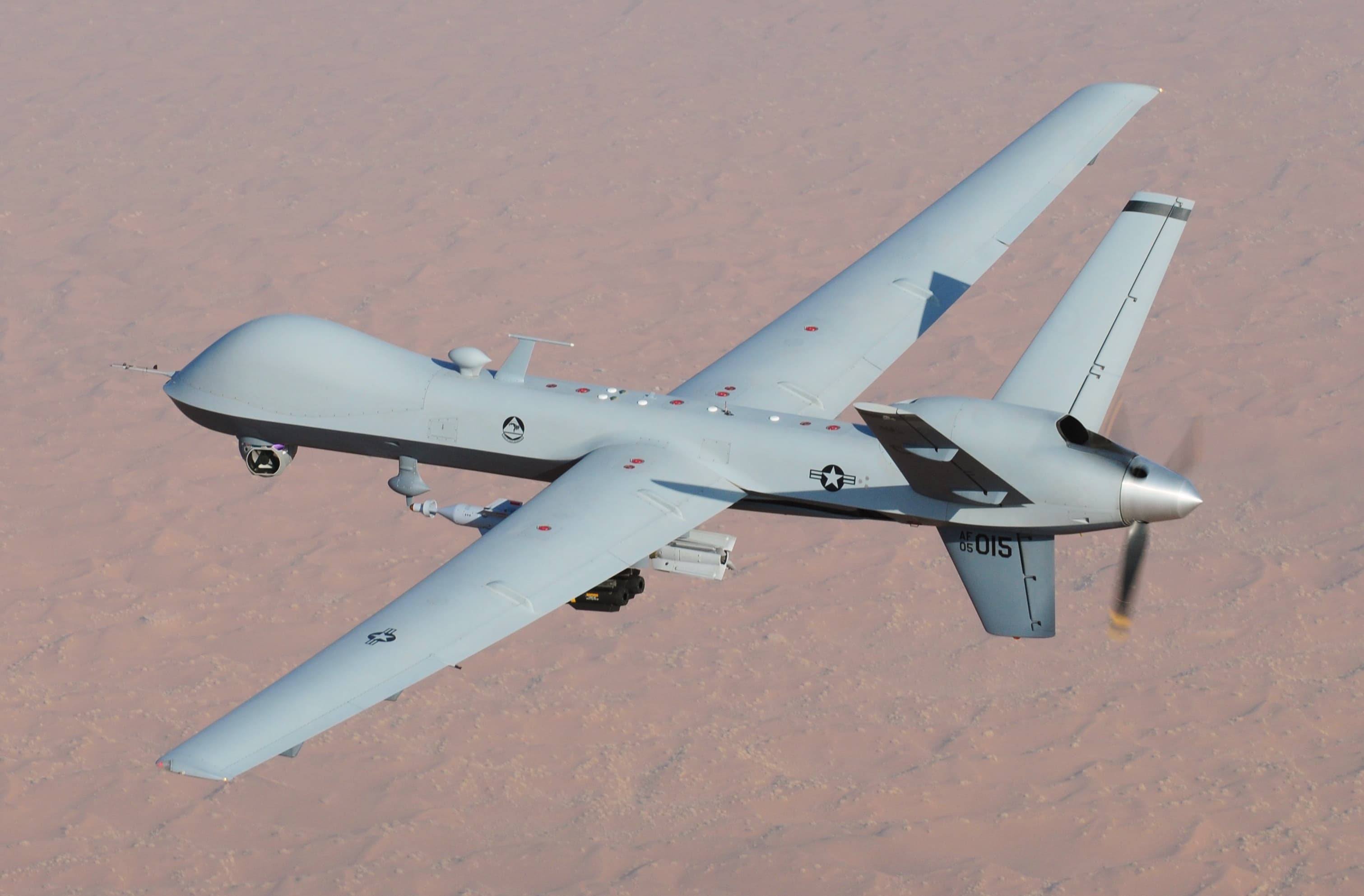
Cuba has acquired over 300 military drones and is reportedly discussing plans to use them for attacks against the U.S. base in Guantanamo Bay, U.S. military vessels and Key West. This military buildup directly challenges U.S. security in the Caribbean and alters the strategic balance in the Florida Straits. The threat requires a reassessment of U.S. defense posture and resource allocation.
The origin and financing of this drone arsenal are central to understanding the power dynamics. Cuba's struggling economy, with a GDP estimated around $100 billion, cannot independently fund such a large-scale acquisition without substantial external support. This suggests a foreign state actor, likely a U.S. adversary, is investing heavily to arm Havana, aiming to project influence and create a new front of tension near U.S. borders.
Protecting U.S. assets from this new threat will demand substantial financial commitment from the Pentagon. Upgrading air defense systems at Guantanamo Bay, deploying additional counter-drone technology for naval vessels and enhancing coastal surveillance in Florida will cost hundreds of millions, possibly billions, of dollars. Defense contractors specializing in short-range air defense, electronic warfare and intelligence, surveillance and reconnaissance systems stand to gain from increased procurement budgets.
The direct threat to Key West—a civilian population center and major U.S. Naval Air Station—escalates pressure on President Trump's administration. Any attack would trigger an immediate and forceful response, risking broader military engagement. This Cuban drone capability forces the United States to commit more resources to homeland defense, diverting funds and attention from other global priorities. It also creates a new point of leverage for Havana on the international stage.
This development also impacts regional stability and U.S. foreign policy objectives across Latin America. It could embolden other anti-U.S. regimes to seek similar military enhancements, further complicating the geopolitical landscape. The cost of containing an increasingly militarized Cuba, supported by external powers, represents a new financial burden and strategic challenge for U.S. taxpayers and defense planners.