NEW YORK — Freight rates for container shipments originating from U.S. Gulf Coast ports have climbed an average of 15 percent over the last three weeks, pushing up costs for goods destined for inland markets. This increase stems from a widespread shift by shipping companies to utilize trucking for cargo transport, straining available capacity.
The pivot reflects delays in rail and intermodal networks, driving up the cost basis for producers and retailers nationwide. This operational shift adds a new layer of cost to the supply chain, indicating potential for higher consumer prices.
Port congestion and labor shortages continue to impact traditional rail routes, making trucking a more reliable, albeit costlier, alternative. Spot rates for truckloads moving from Houston to Chicago, a key inland hub, have jumped 18 percent since April, according to logistics data providers.
Companies reliant on just-in-time inventory models face increased duration risk due to these transport bottlenecks. Many are now evaluating higher buffer stock levels, which elevates working capital requirements and overall carrying costs.
This sustained upward pressure on logistics costs complicates the broader inflation narrative for bond market participants. While energy prices have shown volatility, a material increase in core goods transportation costs could reignite price pressures.
The five-year Treasury breakeven rate, a key indicator of inflation expectations, has edged up three basis points this week to 2.48 percent. This move signals investor concern about the persistence of price pressures, even as the Federal Reserve seeks a path to two percent.
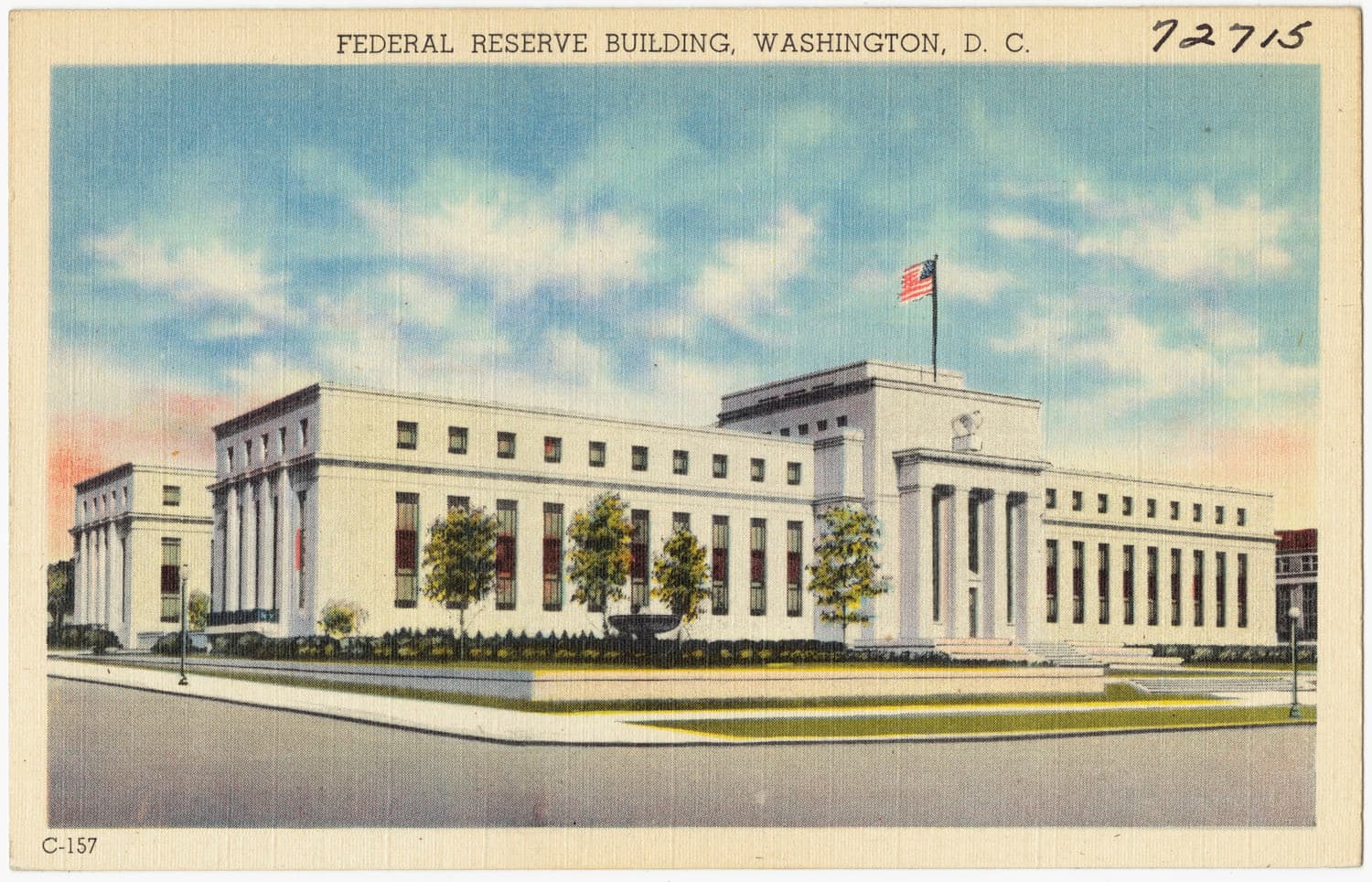
Federal Reserve Chair Jerome Powell has consistently highlighted the importance of goods disinflation in achieving the central bank's price stability mandate. A reversal or slowdown in this trend could reinforce a higher-for-longer interest rate outlook.
Such a scenario would likely deepen the inversion in key segments of the Treasury yield curve. The two-year to 10-year spread, currently negative 42 basis points, would face further pressure, reflecting a market grappling with sticky inflation and potential growth headwinds.
Sectors heavily reliant on efficient inland freight, such as manufacturing, retail and agriculture, will feel the immediate impact. Large retailers like Walmart and Target, with extensive distribution networks, could see margin compression or pass costs to consumers.
The shift also puts pressure on shipping line profitability. While they benefit from higher rates, managing the expanded trucking logistics adds operational complexity and cost overhead.