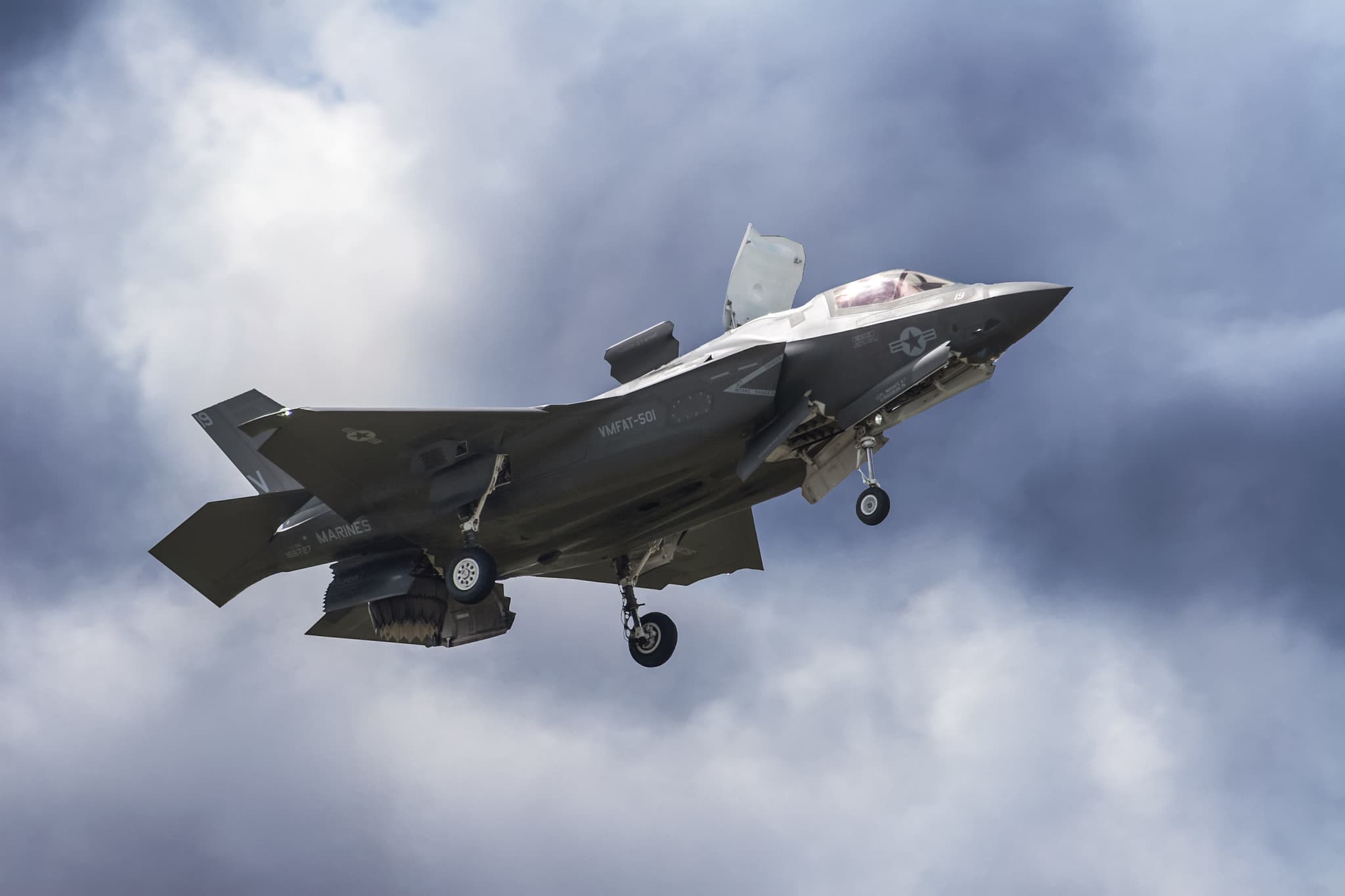
WASHINGTON — President Trump's recent comments regarding arming Taiwan prompted a swift clarification from U.S. Trade Representative Katherine Tai. Trump suggested Taiwan could have all the arms they want, a statement that immediately drew scrutiny from Beijing and U.S. business interests. Tai quickly reaffirmed the administration's One China policy, aiming to stabilize diplomatic and economic relations with China.
The rapid White House effort to walk back Trump's remarks signals concerns over market reaction and trade stability. Major U.S. corporations with exposure to China, including technology giants, often lobby for predictable foreign policy through groups like the U.S.-China Business Council. These companies collectively spent over $70 million on lobbying in the first quarter of 2026, according to OpenSecrets data, with a portion directed at U.S.-China relations.
Companies like Apple, which trades at $300.23 today, and Tesla, at $422.24, both rely heavily on Chinese manufacturing and consumer markets. Disruptions to this relationship could impact their supply chains and revenue streams. The initial comments caused a stir among investors, with the Nasdaq dropping 1.5 percent and the S&P 500 falling 1.2 percent today, reflecting market sensitivity to geopolitical friction.
The Semiconductor Industry Association has also pressed for clear, consistent policy regarding Taiwan, a critical hub for advanced chip manufacturing. Taiwan Semiconductor Manufacturing Company, a key global supplier, operates under the assumption of regional stability. Any perceived shift in U.S. policy creates immediate uncertainty for global supply chains, especially for high-tech components that power everything from smartphones to AI data centers.
The clarification by Trade Representative Tai represents a win for corporate America's China-focused lobbyists and investors seeking market stability. It signals that economic considerations currently outweigh aggressive foreign policy rhetoric within the administration. Conversely, hardline factions in Congress, who push for a more confrontational stance with Beijing and stronger overt support for Taiwan's independence, see their influence tempered by these economic realities.