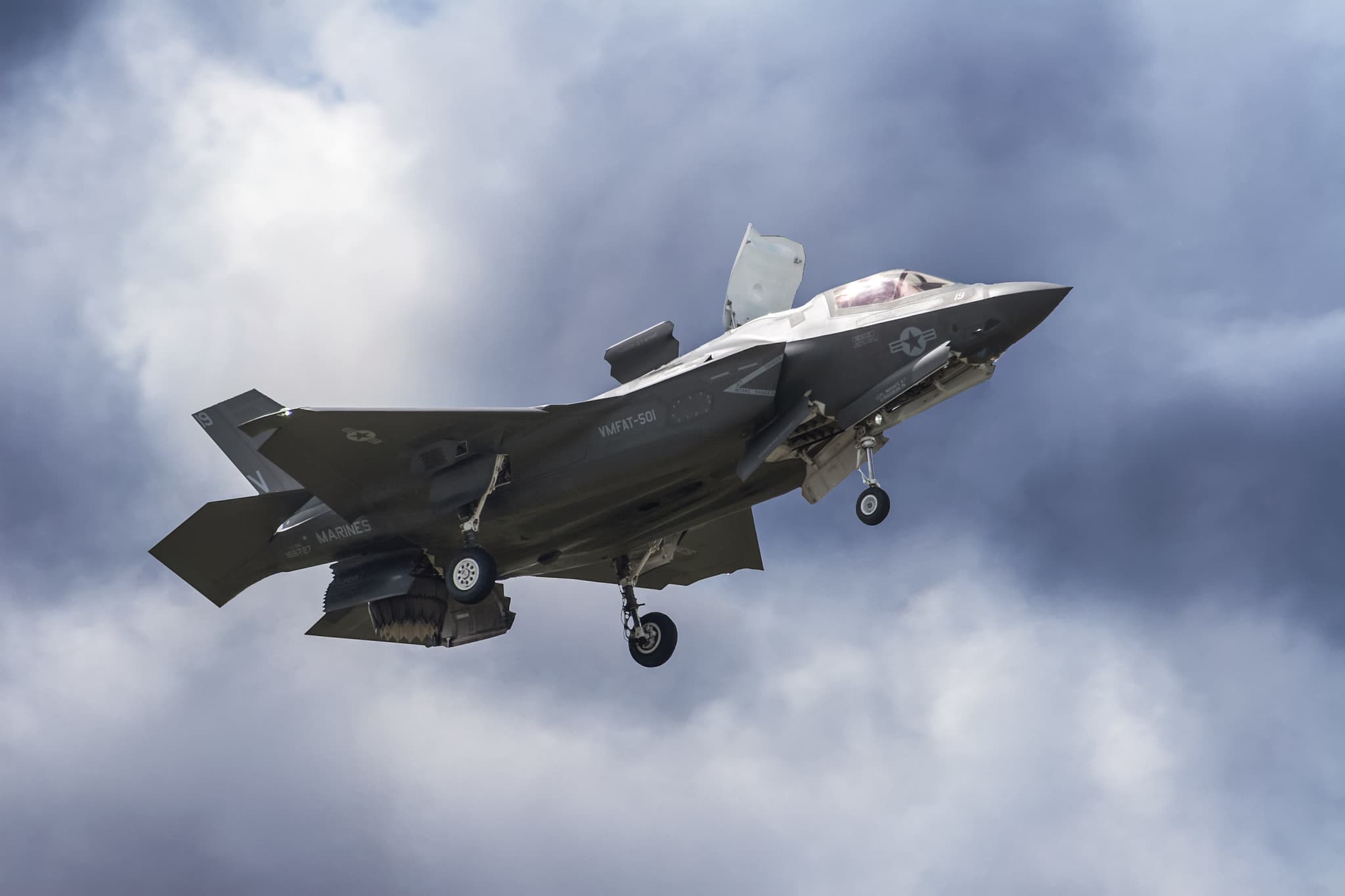
WASHINGTON — President Donald Trump delivered a stark warning to Iran today, saying "the clock is ticking" for the regime. The declaration, made during a White House briefing, signals an aggressive shift in U.S. policy targeting Tehran's nuclear ambitions and its regional proxy forces. This rhetoric sets the stage for potential new economic sanctions or increased military presence in the Persian Gulf.
The statement sent immediate ripples through global energy markets. While specific crude oil prices were not provided, analysts expect upward pressure on futures contracts as geopolitical risk premiums rise. Defense industry giants stand to benefit; Lockheed Martin (LMT) and Raytheon Technologies (RTX) typically see increased investor interest during periods of heightened international tension, driven by expectations of higher government contracts.
Trump's administration has consistently pursued a hardline approach against Iran, famously withdrawing from the 2018 nuclear agreement and reimposing broad sanctions. Lobbying groups advocating for this tough stance, such as the Foundation for Defense of Democracies, spent $1.2 million in Q1 2026 alone, according to OpenSecrets filings. These expenditures target policymakers to ensure continued pressure on Tehran, influencing legislative and executive actions.
The warning challenges ongoing diplomatic overtures from European Union nations aimed at de-escalating tensions in the critical Strait of Hormuz. Any U.S. action that disrupts this waterway, through which 21 million barrels of oil pass daily, would immediately increase global shipping insurance costs by an estimated 10 to 15 percent for vessels transiting the region. This scenario would significantly benefit commodity funds holding large long positions in oil and gas derivatives, such as the United States Oil Fund (USO).
This aggressive posture reinforces the influence of hawkish advisors within the administration who prioritize "maximum pressure" tactics. Companies with substantial operations in the Middle East, particularly those involved in energy infrastructure or shipping, face rising operational risks and potential supply chain disruptions. The broader market reacted with caution, as the Dow Jones fell 1.1 percent and the S&P 500 dropped 1.2 percent today, reflecting heightened geopolitical uncertainty.