WASHINGTON — German Chancellor Friedrich Merz strongly condemned renewed Iranian airstrikes against the United Arab Emirates today, signaling a hardening of Europe's diplomatic posture toward Tehran. The condemnation arrives as global powers assess the financial and strategic costs of escalating tensions in the Middle East, particularly for energy security and international trade routes.
The UAE, a major oil producer and key trade hub, faces direct threats to its economic stability and the vital shipping lanes in the Gulf, which handle 20 percent of the world's crude oil supply. Germany, Europe's largest economy, relies heavily on stable energy flows, making the security of oil-rich nations like the UAE a critical priority for Berlin's industrial base. These strikes immediately raise the cost of maritime insurance for tankers operating through the Strait of Hormuz, directly impacting global energy prices and supply chain predictability.
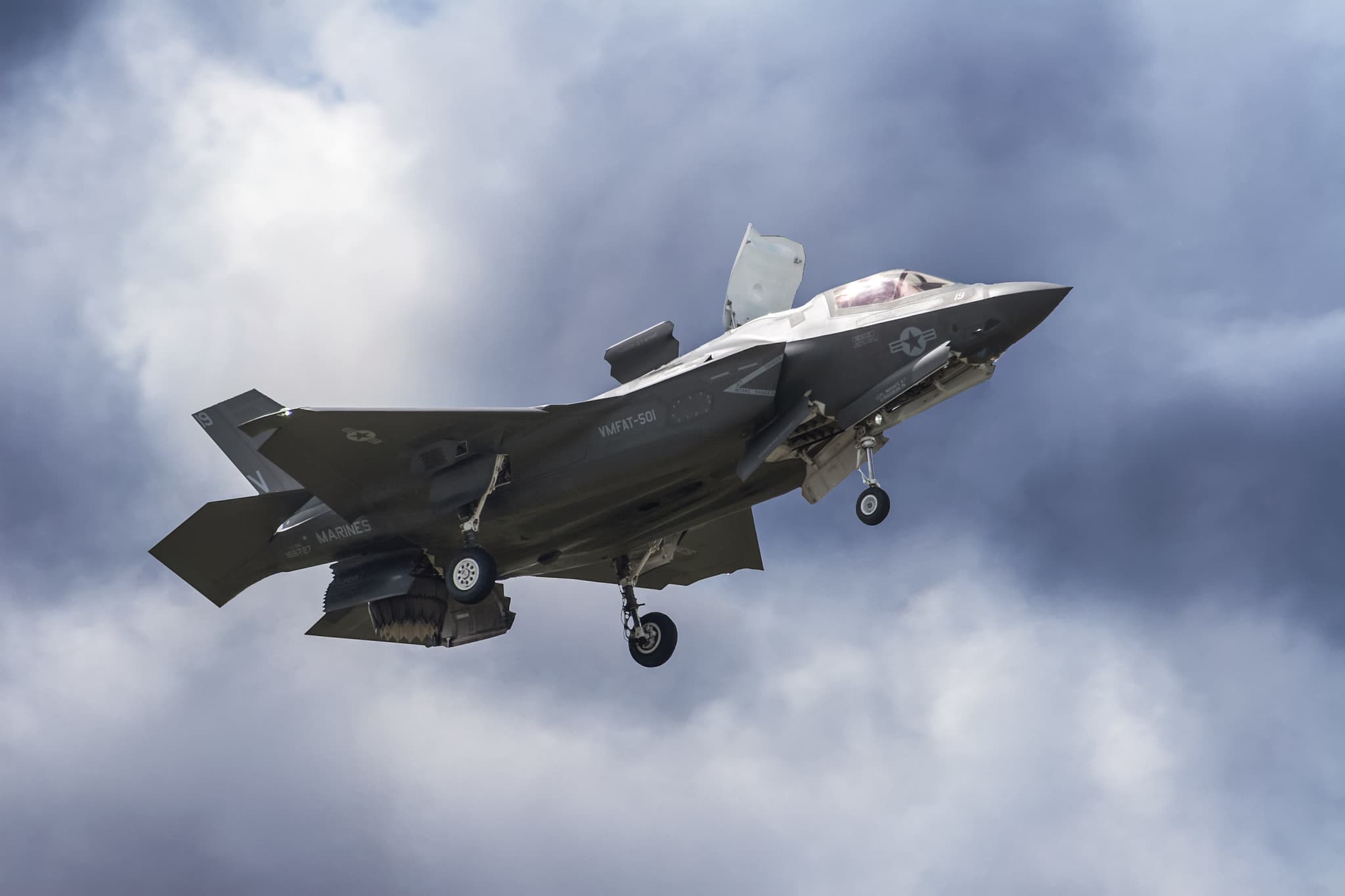
Increased regional instability benefits global defense contractors, with firms like Lockheed Martin and Raytheon Technologies seeing potential for higher demand for advanced air defense systems and surveillance technology from regional allies. The United States, a major security guarantor in the region, faces renewed pressure to bolster its military presence and deepen alliances, potentially shifting billions in defense spending priorities toward the Middle East. This development complicates President Trump's stated efforts to de-escalate regional conflicts while maintaining U.S. influence, potentially requiring new diplomatic and financial commitments.
Merz's strong language reflects Germany's growing economic investment in the Gulf states, with bilateral trade between Germany and the UAE alone exceeding $50 billion last year. The move positions Berlin closer to Washington's stance on Iranian aggression, potentially forging a more unified Western front that could exert greater diplomatic and economic leverage. This diplomatic shift could lead to increased sanctions pressure on Iran, directly impacting its crude oil exports, which currently generate approximately $60 billion annually.
Companies with investments in the region, particularly in energy infrastructure and logistics, face heightened operational risks and potential supply disruptions. Major shipping lines like Maersk and Hapag-Lloyd, which move billions in goods through Gulf ports, must now recalibrate their risk assessments and potentially reroute vessels, adding to costs and transit times. The financial markets reflected this uncertainty, with the Nasdaq dropping 1.5 percent and the S&P 500 falling 1.2 percent today, as investors weigh geopolitical risks.