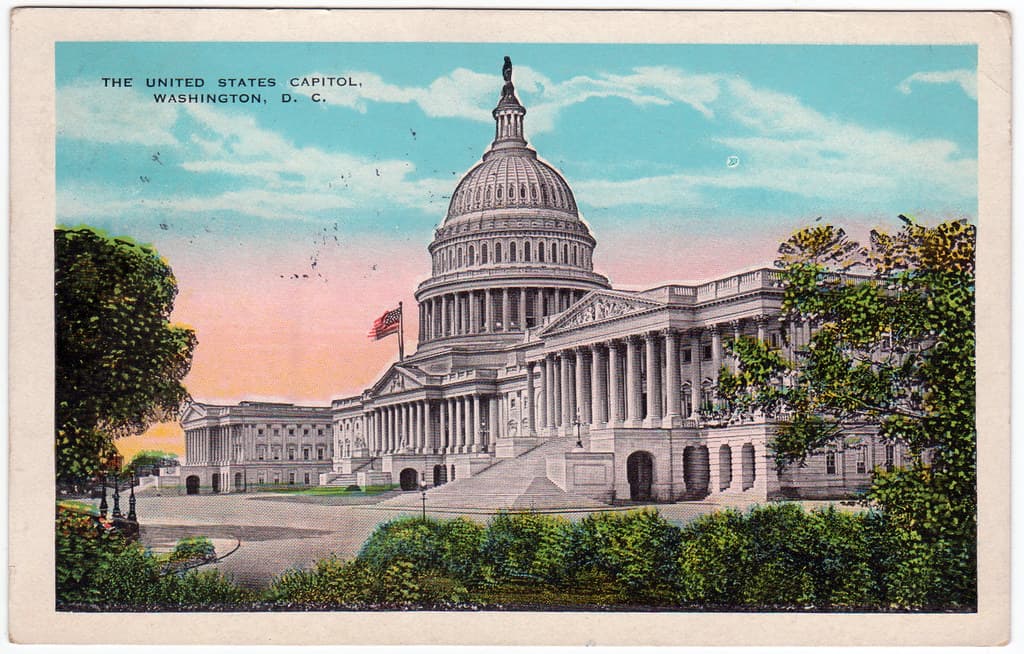
WASHINGTON — Representative Erin Houchin (R-IN) issued a direct warning on Capitol Hill, saying manufacturers won't invest without longer policy timelines.
"Our laws can't stifle innovation. If manufacturers don't have a long enough timeline, they won't make the investment—it simply won't pencil out. Policy has to keep pace with science," Houchin said.
Her comments highlight tension between legislative speed and the slow, costly cycles of industrial innovation, particularly in pharmaceuticals, advanced materials and medical devices.
Pharmaceutical companies routinely invest over $2.5 billion and a decade of research to bring a single new drug to market. Shifting regulatory requirements, uncertain market exclusivity periods or rapid changes to manufacturing standards directly impact the financial models for these massive outlays, making long-term capital investment less attractive.
Major industry groups actively lobby for policies that provide greater certainty and longer timelines. The Pharmaceutical Research and Manufacturers of America spent $29.7 million on lobbying in 2023, according to OpenSecrets, advocating for extended market exclusivity and predictable drug approval processes. Similarly, medical device manufacturers through AdvaMed spent $7.8 million in 2023, pushing for stable FDA review processes.
Companies like Eli Lilly and Boston Scientific, both with significant R&D and manufacturing footprints, benefit directly from legislative frameworks that allow longer periods to recoup their intellectual property investments.
The power dynamic is clear: established manufacturers with extensive R&D pipelines gain from slower, more predictable regulatory change. This approach allows them to monetize innovations over a longer horizon, justifying the substantial upfront costs. It also favors larger firms that can face complex, extended processes and absorb regulatory overhead. Smaller biotech startups, however, may struggle with prolonged approval timelines without the same financial reserves, potentially stifling new entrants.
Congressional committees, including Energy and Commerce and Health, Education, Labor & Pensions, frequently debate legislation impacting these timelines. Bills addressing drug pricing, medical device approvals or environmental manufacturing standards become battlegrounds. Lobbyists for industry push for amendments that extend compliance deadlines or broaden the scope of intellectual property protections, aiming to maximize return on investment.
Conversely, consumer advocacy groups and generic drug manufacturers often push for accelerated regulatory reviews and shorter exclusivity. Their objective is to bring down costs and increase access to treatments faster. This creates a legislative battleground where public health priorities clash with the economic incentives driving private sector innovation.
The outcome of these policy debates directly dictates where billions in private capital will flow for future research and production. Deterred investment in U.S. manufacturing can shift production overseas, impacting domestic job growth, technological leadership and supply chain resilience. As Houchin suggests, capital flows to where it finds the most stable and profitable environment, making legislative foresight a critical factor in maintaining economic competitiveness.