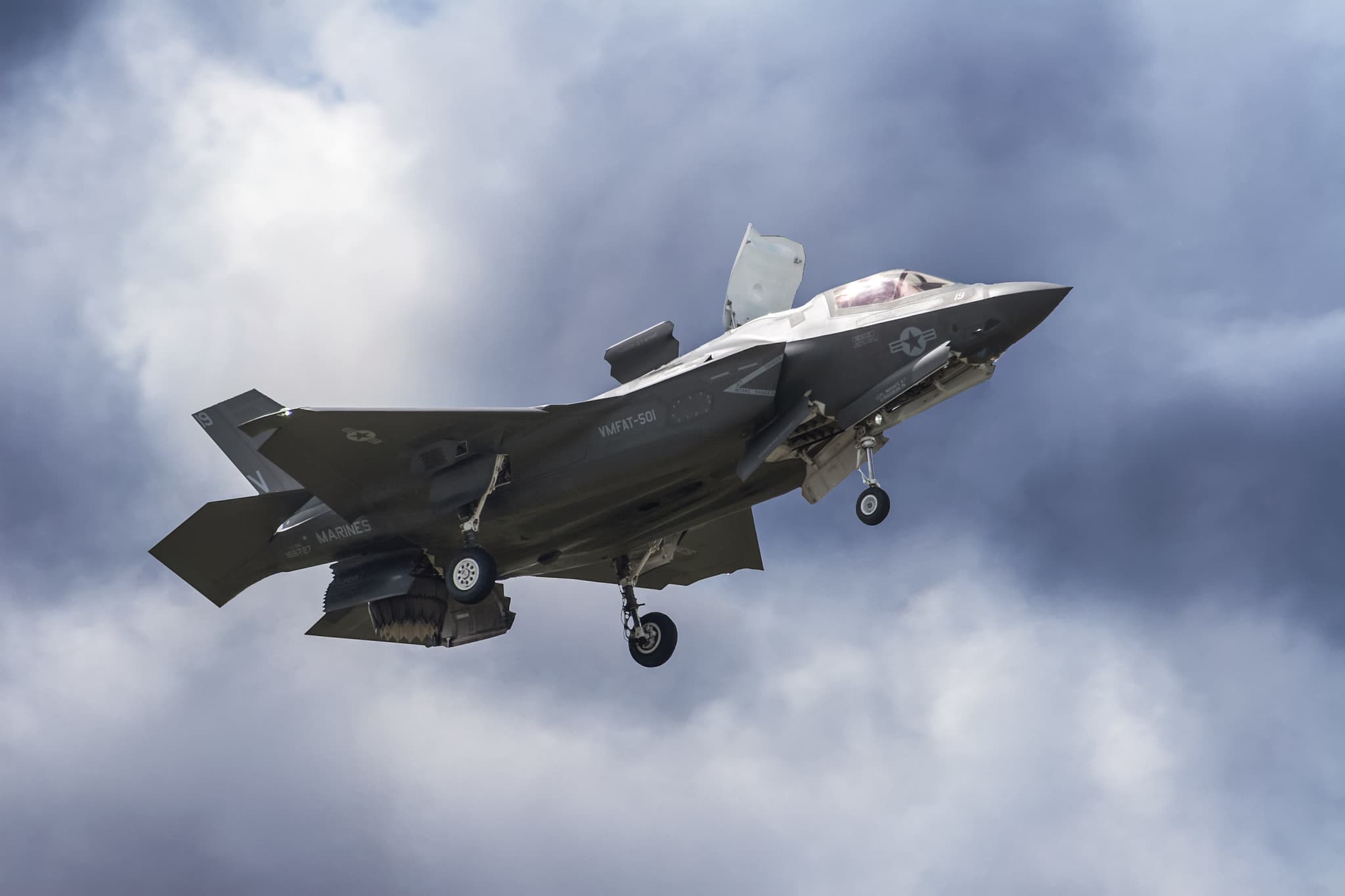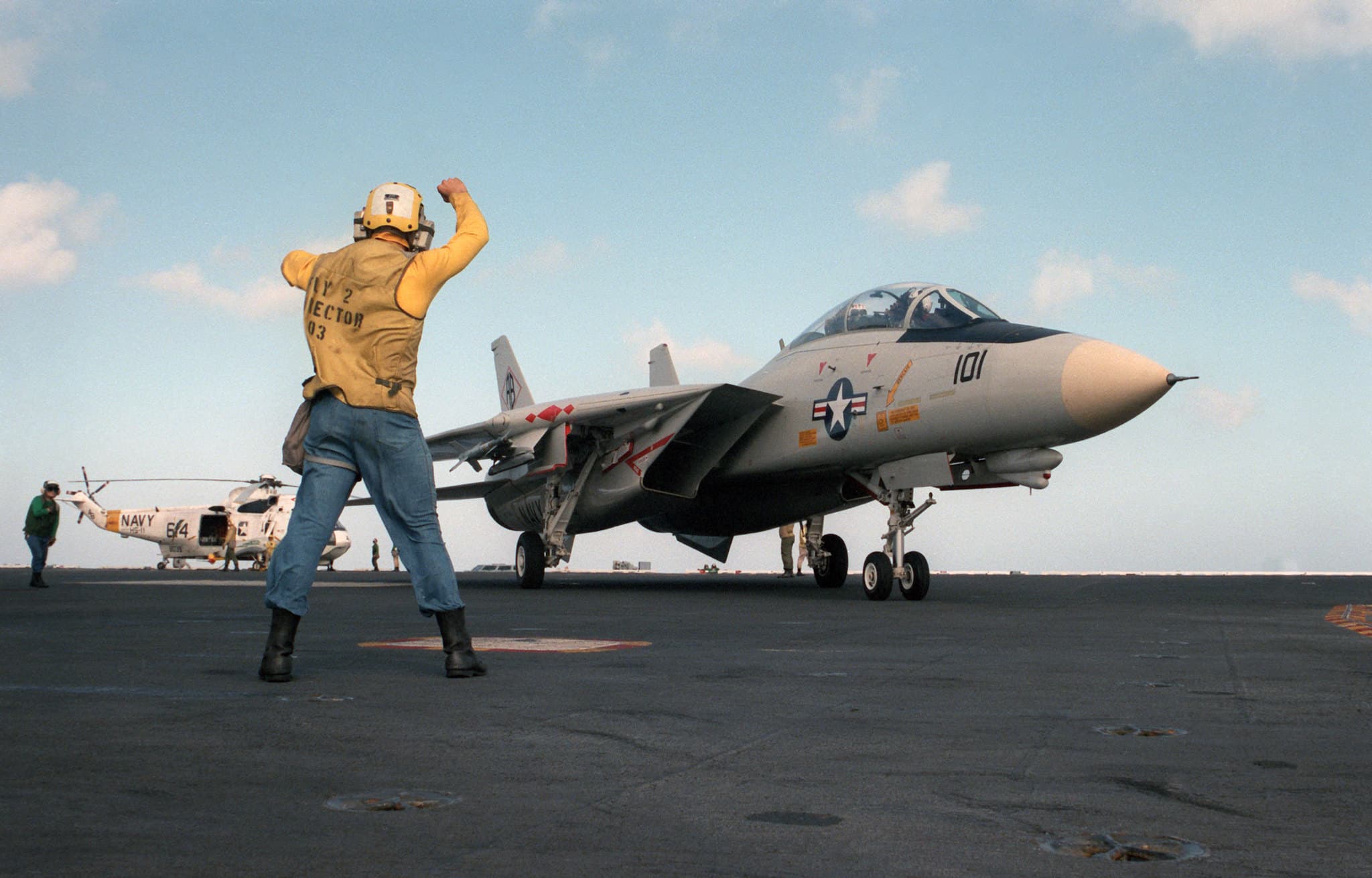
WASHINGTON — A U.S. Nimitz-class aircraft carrier, the USS George H.W. Bush, arrived in the Caribbean Sea this week, a direct show of force targeting Cuba. The deployment follows recent visits by Russian naval vessels to Havana and increased energy cooperation between Cuba and Moscow. Washington views these actions as a challenge to regional security and a test of U.S. influence in its immediate sphere.
President Trump's administration aims to disrupt Cuba's expanding economic and military reliance on Russia. Cuba has secured new oil supply agreements with Moscow, offsetting Venezuela's declining output and providing critical energy resources. This financial lifeline strengthens Cuba's ability to resist U.S. sanctions pressure, which has cost Havana an estimated $144 billion over six decades, according to Cuban government figures. The move also counters Russian efforts to expand its geopolitical footprint.
The carrier's presence heightens geopolitical risk in a key shipping lane for global commerce, impacting maritime trade routes from the Panama Canal to the U.S. Gulf Coast. While major U.S. indices like the Dow Jones Industrial Average closed up 1.3 percent to 50,009, and the S&P 500 gained 1.1 percent to 7,433, the long-term outlook for regional stability remains uncertain. Increased tensions could impact shipping insurance rates or foreign direct investment across the broader Caribbean, particularly for tourism-reliant economies.
This maneuver puts direct pressure on Cuban President Miguel Díaz-Canel, forcing Havana to balance its strategic alignment with Russia against a clear U.S. naval deterrence. The U.S. State Department has quietly engaged regional allies, including Jamaica and the Dominican Republic, seeking to limit Cuba's diplomatic and economic outreach. These diplomatic efforts aim to isolate Havana's Russian ties, potentially impacting Cuba's ability to secure new loans or trade deals from other nations.
For U.S. defense contractors, the increased operational tempo signals sustained demand for naval assets and maintenance, driving revenue for companies like General Dynamics and Huntington Ingalls Industries. The Pentagon's 2026 budget request included $26.5 billion for Navy shipbuilding, a figure likely to hold firm or increase with heightened global and regional instability. This ensures a steady flow of contracts for fleet modernization and readiness, directly benefiting shareholders in the defense sector.