WASHINGTON — A U.S. envoy recently said Greenland "was not on a map" until President Trump "put it on a map." This declaration reaffirms the administration's posture toward the resource-rich territory, a policy initiated during President Trump's first term in 2019. The comment echoes President Trump's prior interest in purchasing Greenland from Denmark, a proposal firmly rejected by Copenhagen. The current diplomatic push signals a sustained U.S. strategy to assert influence in the Arctic.
Washington's renewed focus on Greenland is driven by its deposits of rare earth minerals, critical for advanced technology, electric vehicles and defense industries. Companies like Greenland Minerals and Hudson Resources hold licenses for rare earth projects, attracting interest from U.S. investment firms seeking to diversify supply chains away from China. Beijing currently controls over 80 percent of global rare earth supply, making U.S. access to Greenland's resources a strategic imperative to counter that dominance.
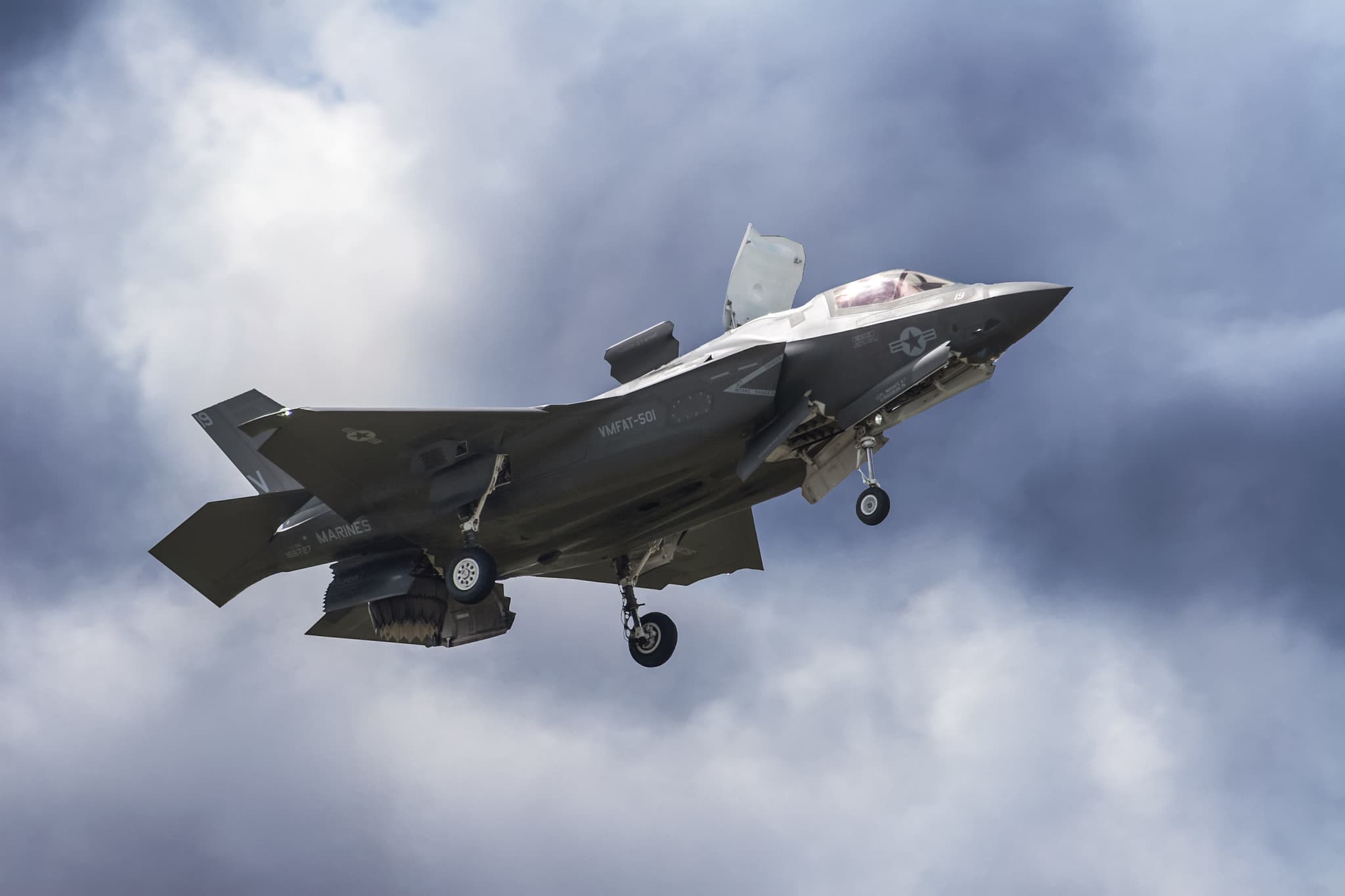
The geopolitical competition extends beyond mineral extraction to strategic military positioning in the High North. Greenland holds a key location for monitoring Russian naval movements and Chinese scientific expeditions in the Arctic. Increased U.S. presence would likely involve enhanced funding for military infrastructure, benefiting defense contractors such as Lockheed Martin and Raytheon. The Thule Air Base, a key U.S. Space Force installation in northern Greenland, would see expanded operational capabilities.
This diplomatic push signals a deeper competition for Arctic influence, involving Denmark, Russia and China. Denmark, which governs Greenland's foreign policy, continues to balance its relationship with the United States against its own sovereign interests and environmental concerns. The United States aims to counter growing Chinese economic inroads and Russian military expansion in the region, including Russia's deployment of missile systems along its Arctic coast.