WASHINGTON — President Trump announced the United States will deploy an additional 5,000 troops to Poland, expanding the U.S. military presence in Eastern Europe. This deployment aims to reinforce NATO's eastern flank, a direct response to Russian military activity in the region. The move brings the total number of U.S. rotational forces in Poland to over 10,000 personnel, marking the largest increase in a decade.
The decision follows years of intense lobbying from Warsaw for a larger, permanent U.S. military footprint. Poland has exceeded NATO's defense spending target, allocating over three percent of its GDP to its military. This increased presence solidifies Poland's role as a critical hub for NATO operations, securing a major win for President Andrzej Duda's administration and its security agenda.
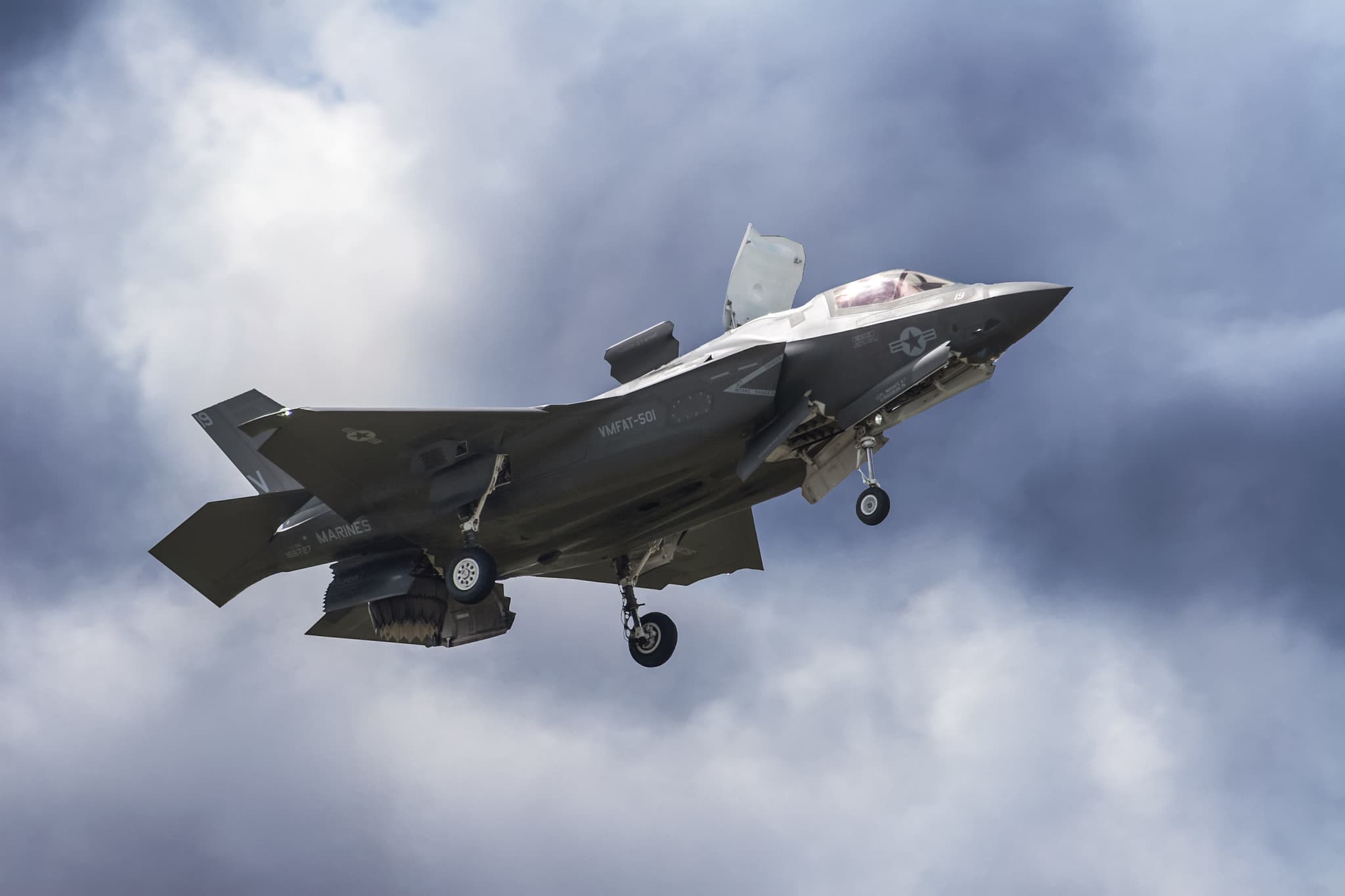
This troop increase will drive new contracts for U.S. defense companies. Firms like Lockheed Martin, Raytheon Technologies and General Dynamics stand to benefit from demands for new equipment, infrastructure upgrades and logistical support for the additional personnel. The Pentagon's budget for European operations will see a direct increase, funneling more taxpayer dollars into military hardware and services. Poland itself remains a major buyer of U.S. defense technology, with recent orders for F-35 fighter jets and Abrams tanks.
The deployment sends a clear message to Moscow regarding U.S. resolve and NATO's collective defense posture in Eastern Europe. It also places pressure on other NATO member states, particularly those lagging in defense spending, to meet their two percent GDP targets. This move reflects a broader U.S. strategy to project power through forward deployment, rather than relying on rapid deployment forces from the continent's west.
Defense sector stocks saw minor gains on the news. Lockheed Martin shares rose 0.7 percent, and Raytheon Technologies increased 0.5 percent during midday trading. The deployment is expected to begin within the next six months, with initial infrastructure contracts likely awarded in the third quarter. This commitment marks a long-term shift in European security architecture, moving away from past reliance on Germany as the primary logistical hub for U.S. forces.