WASHINGTON — President Trump said he is "in no hurry" to make a deal with Iran, rejecting calls for immediate diplomatic engagement. This declaration, made during a May 21 press briefing at the White House, reinforces a continued policy of maximum pressure against Tehran. The stance maintains stringent U.S. sanctions, limiting Iran's access to global oil markets and international financial systems.
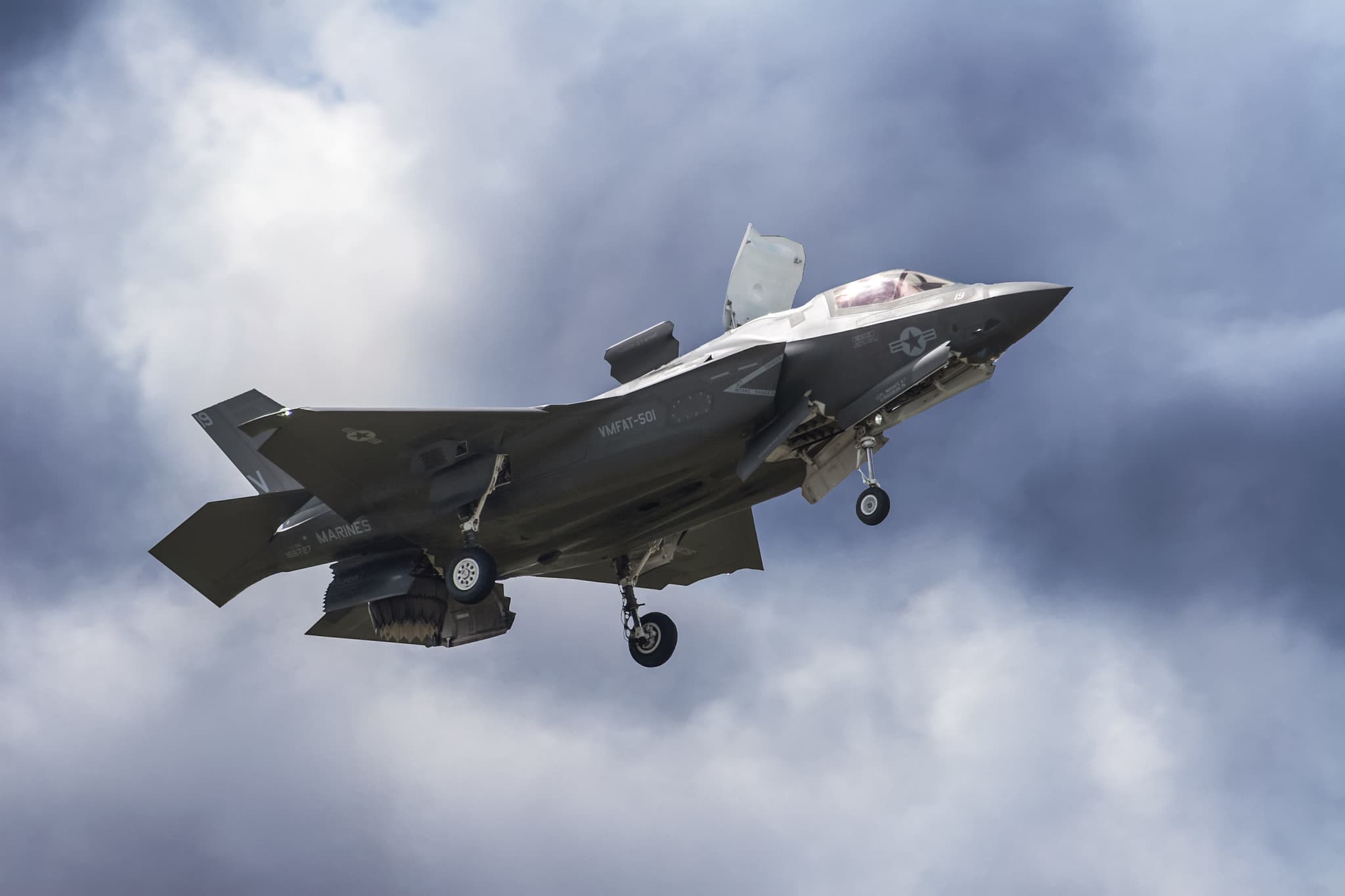
The prolonged tension directly benefits U.S. defense contractors and their shareholders. Companies like Lockheed Martin and Raytheon Technologies, major suppliers of advanced weaponry, see sustained demand for missile systems and other military hardware throughout the Middle East. Defense stocks saw gains following the president's remarks, reflecting investor expectations of continued regional instability and spending.
Regional U.S. allies, particularly Saudi Arabia and the United Arab Emirates, are major beneficiaries of this firm U.S. position. They gain increased leverage in global oil markets as Iranian crude remains heavily constrained, allowing them to sell their own oil at higher prices without direct competition from Tehran. This policy also strengthens their security partnerships with the United States, positioning them as critical U.S. anchors in a volatile Gulf region.
Countries reliant on stable, lower-cost energy imports face continued economic headwinds. Iranian oil exports remain severely restricted, removing millions of barrels daily from the global supply. This supply constraint supports higher crude oil prices, impacting major importers like European nations and India, who must secure energy from alternative, often more expensive, sources. Businesses hoping to invest in Iran's energy sector, such as France's TotalEnergies, face ongoing uncertainty, unable to fully re-engage in projects worth billions of dollars.
Lobbying efforts advocating for a hardline stance against Iran have intensified in Washington, influencing the administration's continued approach. The Foundation for Defense of Democracies, a hawkish think tank, reported spending $1.2 million on lobbying activities in 2025, pushing for robust enforcement of sanctions and opposing any immediate diplomatic rapprochement. This advocacy aligns closely with the financial and security interests of Gulf states and Israeli security organizations, who actively lobby against concessions to the current Iranian regime.