WASHINGTON — John Bolton, former National Security Advisor, has publicly urged President Trump to terminate the existing ceasefire with Iran. Bolton's call represents a direct challenge to the Trump administration's current diplomatic posture, which has maintained fragile de-escalation in the Persian Gulf since March.
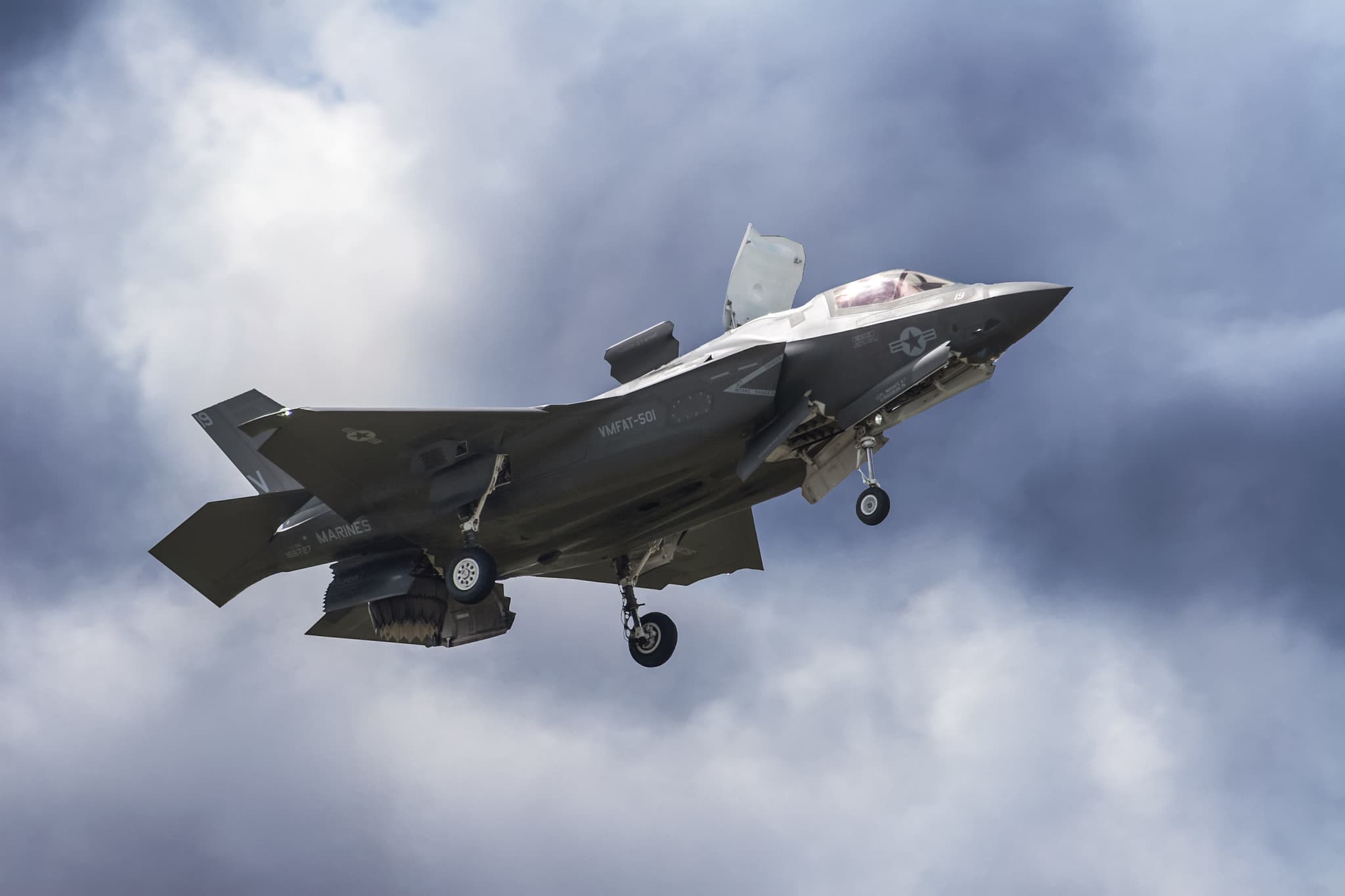
Bolton's advocacy aligns with lobbying efforts by defense industry interests. Pro-Israel and national security organizations spent over $18 million on lobbying in 2025, according to OpenSecrets data. These groups often advocate for increased military spending and a more confrontational approach to Tehran, directly benefiting defense contractors with government contracts. Ending the ceasefire would likely increase demand for U.S. military hardware and deployments in the region.
A shift back to aggressive posturing would create clear financial winners and losers. Major defense contractors, including companies like Lockheed Martin and Raytheon Technologies, typically see their stock prices rise during periods of heightened geopolitical tension. Higher oil prices would also result, impacting global consumers but benefiting energy companies and nations that export crude. Conversely, any U.S. companies with existing business ties to Iran would face renewed sanctions and market exit pressure.
President Trump has maintained a complex and often unpredictable stance on Iran. He withdrew the United States from the Joint Comprehensive Plan of Action in 2018, reimposing sanctions. However, he also engaged in de-escalation efforts following several regional incidents, seeking to avoid a broader conflict. Bolton's pressure aims to push Trump away from this approach and back toward a full "maximum pressure" campaign.
The current ceasefire, negotiated through back channels, has allowed for a limited reduction in regional proxy conflicts and a slight easing of tensions around critical shipping lanes. Terminating it would reverse these gains, potentially leading to renewed attacks on commercial shipping and U.S. assets in the region. This outcome would likely drive up insurance costs for maritime transport and increase the cost of goods for American consumers.