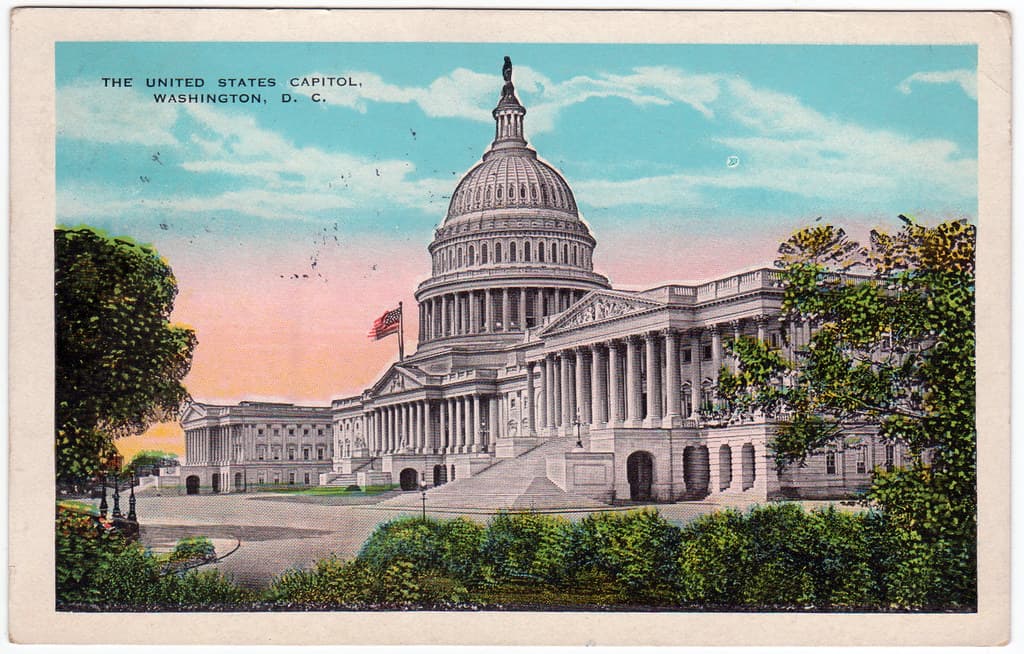
WASHINGTON — Rep. Tim Burchett (R-Tenn.) sharply criticized the Senate for failing to advance financial legislation before lawmakers departed for Memorial Day recess. "We've wasted a whole week," Burchett said, highlighting the gridlock that sidelined multiple bills aimed at digital asset regulation.
The House passed several key measures, but the Senate's inaction means no new federal laws for the crypto industry will move forward until at least June.
The stalled agenda features a bipartisan stablecoin bill, a priority for issuers like Circle, which has spent aggressively to secure a federal framework. Banking lobbyists, however, pushed for stricter federal oversight and a larger role for traditional banks in digital asset innovation.
The American Bankers Association spent $2.5 million lobbying Congress in the first quarter, according to OpenSecrets filings, advocating for traditional finance institutions to lead any new digital currency initiatives. This delay benefits established financial players by prolonging regulatory ambiguity and maintaining their market dominance.
Digital asset firms seeking clear operating rules now face continued uncertainty, impacting expansion and investment. Companies like Coinbase, which spent $1.1 million on lobbying efforts in the first quarter, had pushed for market structure legislation to define distinct roles for the SEC and CFTC.
The absence of a clear regulatory framework keeps the industry under inconsistent enforcement actions rather than predictable rules, costing firms millions in compliance and legal fees. This benefits regulators by preserving their broad discretionary power.
Bitcoin trades at $75,309, down 2.6 percent over 24 hours, while Ethereum dropped 3.1 percent to $2,063, reflecting market sensitivity to regulatory news. The uncertainty makes institutional investors cautious about increasing their allocations, hindering broader market adoption despite the approval of spot ETFs for both assets over the past year.
Without new legislation, SEC Chair Paul Atkins retains authority over crypto markets, often through enforcement actions rather than clear rulemaking. His agency has pursued multiple cases this year against digital asset firms, shaping market behavior through litigation. This approach costs companies millions in legal defense without providing a predictable path for innovation, consolidating regulatory power without legislative input.