WASHINGTON — President Trump's administration is considering military strikes against Iran following a lack of breakthrough in negotiations aimed at de-escalating regional tensions. White House discussions suggest military options are now on the table after diplomatic efforts stalled, putting Washington's Middle East strategy under scrutiny.
Crude oil futures rose on the news, with traders anticipating disruption to global supply chains. The potential for conflict directly threatens shipping through the Strait of Hormuz, a critical chokepoint for roughly 20 percent of the world's daily oil output. Any military action would force a global repricing of energy risk, impacting gasoline prices and industrial production costs worldwide.
Major energy producers are positioned to gain from higher oil prices. Companies like Exxon Mobil and Chevron often report increased revenue during periods of geopolitical instability, boosting their quarterly earnings. International shipping companies face rising fuel costs and higher insurance premiums for vessels operating in the Persian Gulf, impacting global trade logistics and consumer prices for imported goods.
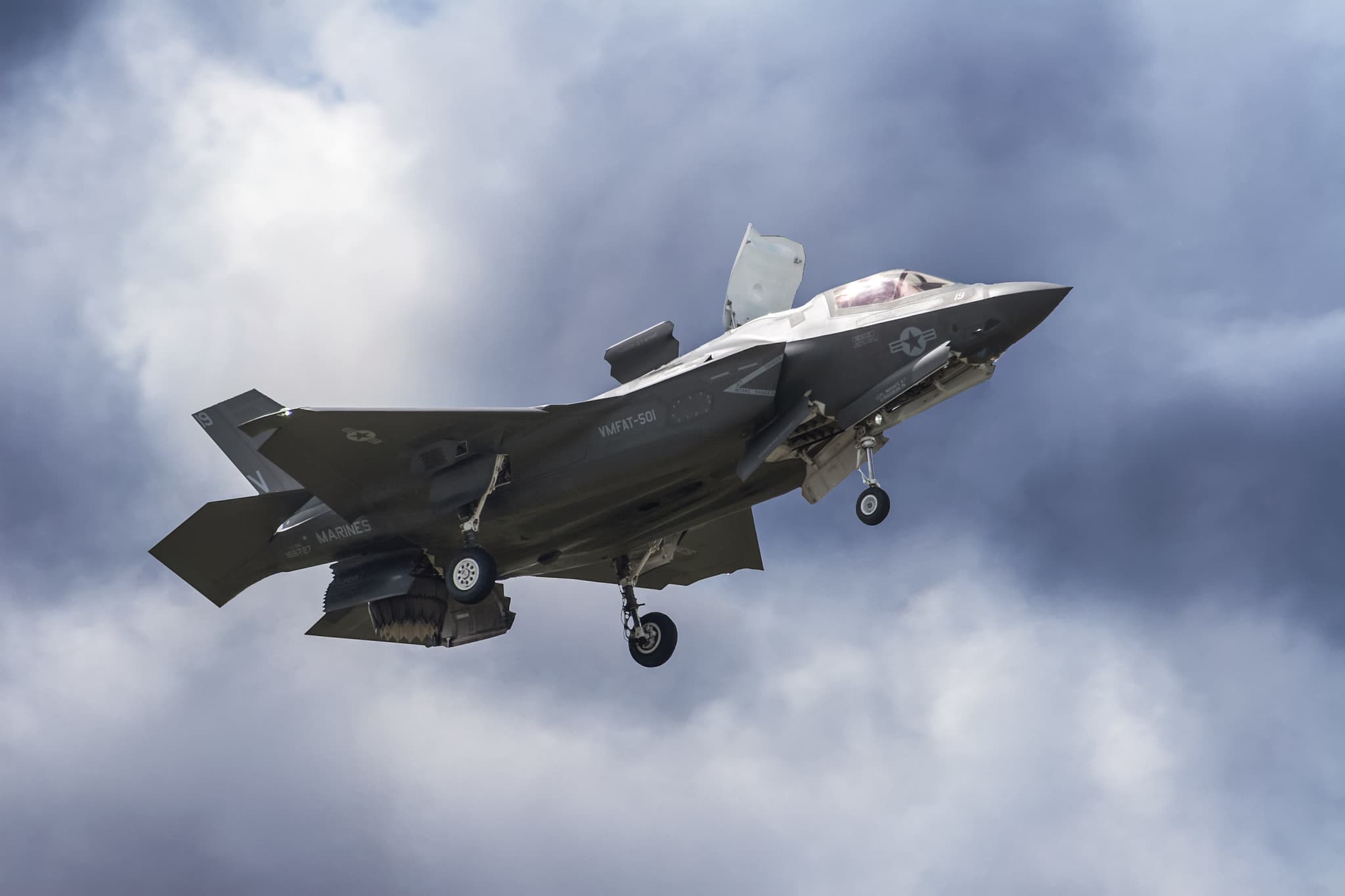
Defense contractors also saw increased investor interest following the reports. Shares of companies like Lockheed Martin and Raytheon Technologies typically react positively to heightened military readiness and the prospect of increased defense spending. The potential for military action reinforces President Trump's firm stance on regional security, shaping his foreign policy narrative ahead of future elections.
The broader U.S. equity market showed resilience on the news, with the S&P 500 index rising 0.4 percent. However, military escalation in the Middle East could quickly shift investor sentiment toward risk aversion across all asset classes.