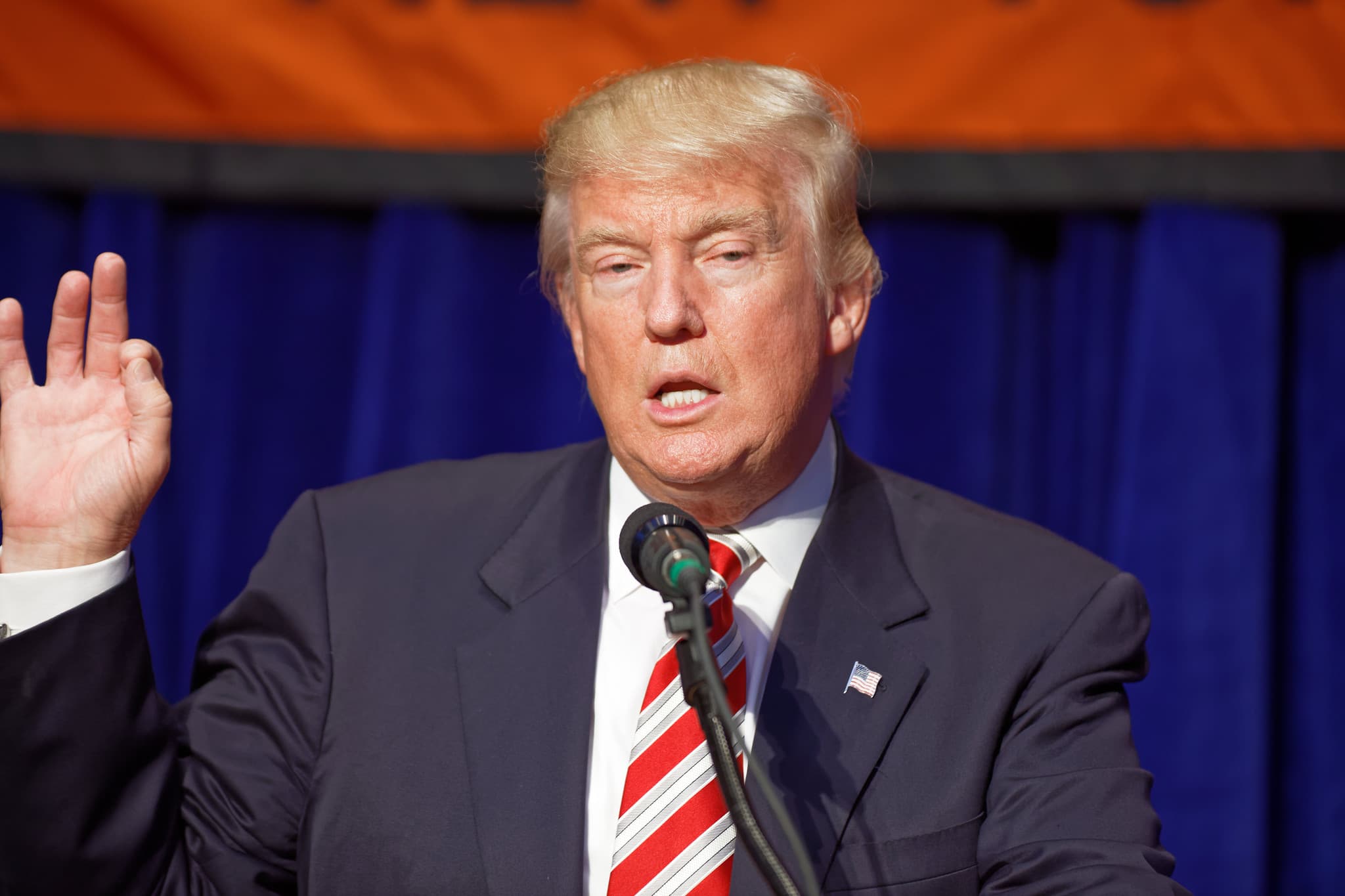
WASHINGTON — President Trump delivered an affordability message in New York's 17th congressional district, a key battleground ahead of the 2026 midterm elections. The speech targeted working-class voters grappling with inflation and rising housing costs, issues that have eroded purchasing power across the United States. This district, currently held by a Democrat, saw a narrow victory margin in the last election cycle, making it a prime target for the administration's economic messaging.
The president emphasized reducing energy prices and lowering the cost of consumer goods. Energy industry PACs and fossil fuel companies spent over $85 million lobbying Congress in 2025, advocating for policies that favor increased domestic oil and gas production. These measures, if enacted, would directly benefit major energy producers like ExxonMobil and Chevron, while easing pressure on household budgets currently strained by higher utility bills and gas prices.
Policies aimed at affordability create distinct winners and losers within the corporate landscape. Lower energy costs provide immediate relief to consumers, but regulatory shifts or tax incentives designed to achieve this often face resistance from industries profiting from current market structures. Retail chains, for example, might see reduced profit margins if government pressure pushes down consumer prices, while manufacturers could benefit from cheaper input costs. This dynamic fuels ongoing lobbying efforts from various sectors.
The administration's focus on affordability reflects broader public concern over economic stability and the cost of living. Consumer sentiment has remained subdued, with recent surveys showing a majority of households feeling financially stressed. The S&P 500 closed at 7,473 today, showing modest gains as investors weigh political rhetoric against corporate earnings and potential policy shifts.
The push for affordability also puts pressure on sectors like housing and food production. Real estate developers and agricultural conglomerates maintain lobbying presences on Capitol Hill, pushing against measures that might cap prices or increase regulatory burdens on their operations. Their financial contributions shape legislative debates, ensuring the fight for the consumer's wallet remains a central political and economic battle through the next election cycle.