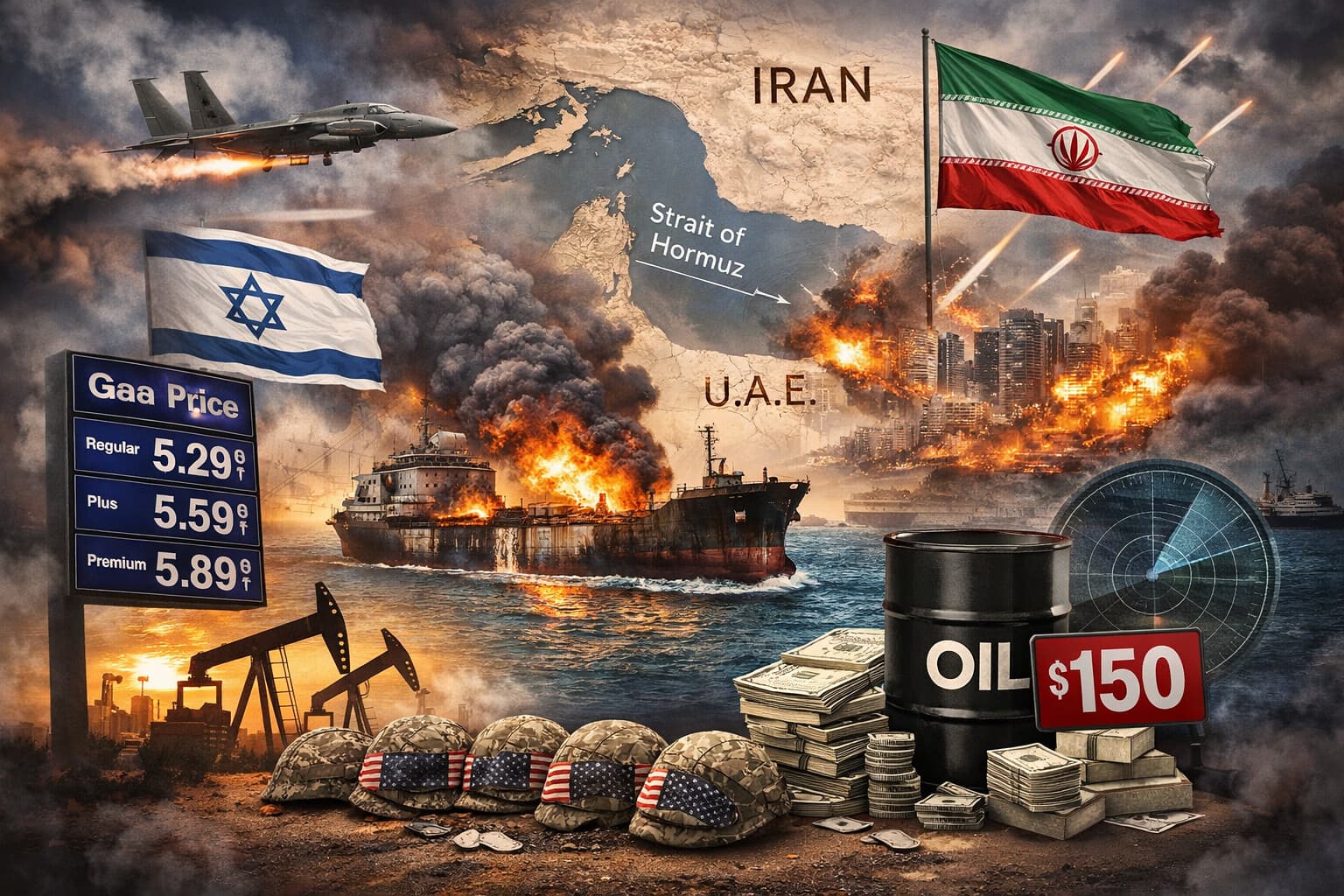
WASHINGTON — Iranian state media announced the Strait of Hormuz will remain under Tehran's management, irrespective of future increases in shipping traffic. This statement reinforces Iran's control claims over the critical global oil chokepoint and challenges international norms of free passage.
The Strait of Hormuz is the world's most important oil transit point, with approximately 21 million barrels of crude oil and petroleum products passing through daily. This represents about 20 percent of global petroleum consumption. Major oil exporters like Saudi Arabia, Iraq, Kuwait, UAE and Iran rely on the narrow passage to reach international markets, as do Qatar's liquefied natural gas shipments.
Iran's new Guard Corps routinely conducts naval exercises in the strait and has previously seized commercial vessels, demonstrating its capacity to disrupt shipping. Such actions have historically caused spikes in global crude oil prices and increased insurance premiums for tankers operating in the Persian Gulf. The U.S. Navy's Fifth Fleet, based in Bahrain, maintains a strong presence in the region to counter these threats and ensure unimpeded navigation.
This latest declaration puts energy security for major importers in Asia and Europe on alert. Companies with shipping operations or reliance on Middle Eastern crude, such as Chevron and TotalEnergies, face renewed supply chain uncertainty. The assertion of control adds a risk premium to crude oil futures, impacting global transportation and manufacturing costs.
The move signals Iran's intent to use its geographic position as a geopolitical lever, particularly as it deals with international sanctions and regional tensions. It directly impacts the Trump administration's efforts to stabilize global energy markets and maintain low consumer fuel prices. President Trump has consistently advocated for open waterways and countered Iranian aggression in the past.
The power dynamic shifts in Iran's favor by reiterating its ability to influence global oil flows. This could complicate future diplomatic efforts regarding its nuclear program or regional proxy conflicts. Major oil buyers, particularly China and India, will watch for any practical changes to transit rules, which could force them to seek alternative, more expensive supply routes.