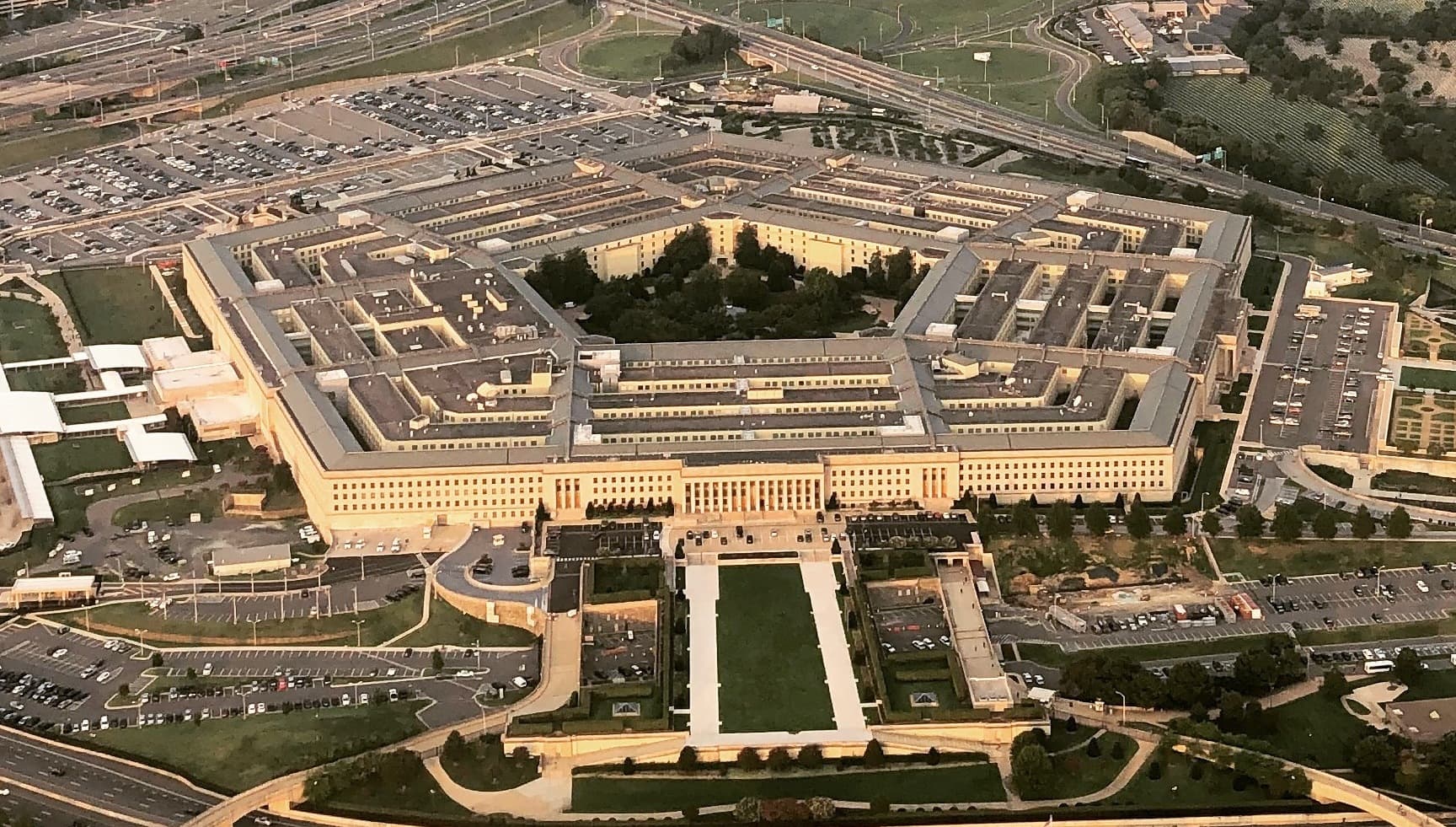
WASHINGTON — The Pentagon released a new batch of Unidentified Anomalous Phenomena (UAP) files today, making hundreds of formerly restricted documents publicly available. This disclosure follows sustained congressional pressure for transparency, particularly from lawmakers who argue for a clearer understanding of potential national security implications. The move aims to consolidate decades of scattered observations and reports into a single, accessible database.
Investigating UAPs carries a significant price tag within the U.S. defense budget. The Department of Defense has allocated more than $100 million annually to various UAP-related research and analysis programs since 2022, primarily through its All-domain Anomaly Resolution Office (AARO). Much of this funding flows to private defense contractors, including specialized firms that develop advanced sensor technology, data analytics platforms and forensic capabilities used to process and interpret UAP observations.
Aerospace and defense contractors actively lobby Congress on defense appropriations that directly or indirectly benefit U and development. Lockheed Martin, Raytheon Technologies and Northrop Grumman together spent $18.5 million on lobbying during the first quarter of 2024, according to OpenSecrets data. These companies seek to influence funding streams for projects related to intelligence gathering, advanced reconnaissance and counter-UAP technologies, all areas that see increased interest with public disclosures.
The political momentum for UAP transparency has been a consistent theme across administrations, with President Trump's White House continuing the push for declassification. Congressional champions, including Sen. Marco Rubio (R-Fla.) and Rep. Mike Gallagher (R-Wis.), have secured specific provisions in recent National Defense Authorization Acts. These provisions mandate greater UAP funding and establish clearer protocols for inter-agency information sharing, solidifying legislative oversight.
The primary winners from these disclosures are defense contractors positioned to secure new contracts for advanced U, sensor development and defensive technologies. Transparency advocates within the public and Congress also gain ground, pushing for full government disclosure. Conversely, intelligence agencies face increased scrutiny and pressure to release information historically kept secret, challenging their traditional control over sensitive national security data and forcing a re-evaluation of long-held secrecy policies.
This ongoing government effort to formalize UAP investigation and disclosure creates a new, albeit niche, market within the defense sector. Companies capable of integrating disparate data sources, deploying cutting-edge AI for anomaly detection and providing secure storage solutions stand to benefit from future budget allocations. The public release of files suggests a continued shift toward acknowledging the phenomenon, potentially opening new avenues for research and contracting.