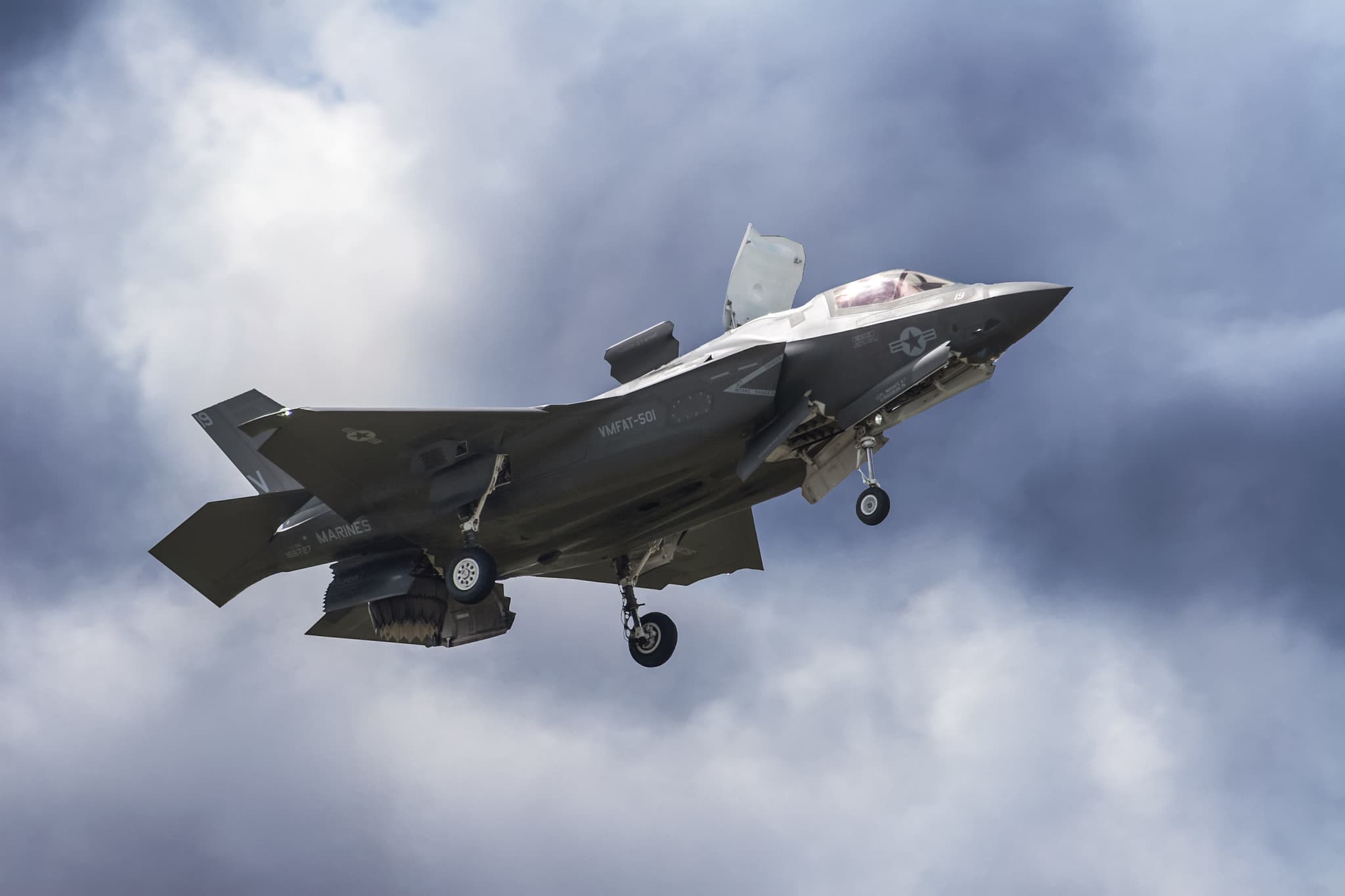
President Trump's recent declarations regarding a looming humanitarian crisis in Cuba, which he suggested could justify U.S. military intervention, have drawn sharp criticism on Capitol Hill. Foreign policy analysts and congressional Democrats reject these claims as a manufactured pretext. They argue the administration seeks to leverage domestic political narratives rather than respond to verifiable intelligence. This rhetoric heightens diplomatic tensions between Washington and Havana, threatening regional stability.
This stance resonates with hardline elements within the Republican Party and Cuban-American lobbying groups, particularly in Florida. Organizations like the Cuban Liberty Council have spent millions advocating for regime change, directing substantial campaign contributions to political figures who champion a confrontational Cuba policy. Defense contractors also stand to benefit—increased military posturing and any potential operational readiness would translate into new government contracts, boosting revenue for companies like Lockheed Martin and Raytheon Technologies.
Critics inside and outside government contend Cuba's challenges stem from economic hardship, not a humanitarian crisis demanding military action. The island nation's economy contracted by 2 percent in 2025, primarily due to tightened U.S. sanctions and a sharp decline in tourism following the pandemic. Senior State Department intelligence assessments, shared privately with congressional committees, indicate no evidence of mass atrocities or internal collapse that would warrant military intervention. This intelligence directly contradicts President Trump's public assertions, exposing a clear divergence in official assessments.
The potential for U.S. military involvement in the Caribbean introduces geopolitical risk. Neighboring Latin American nations have expressed alarm, fearing broader regional destabilization.