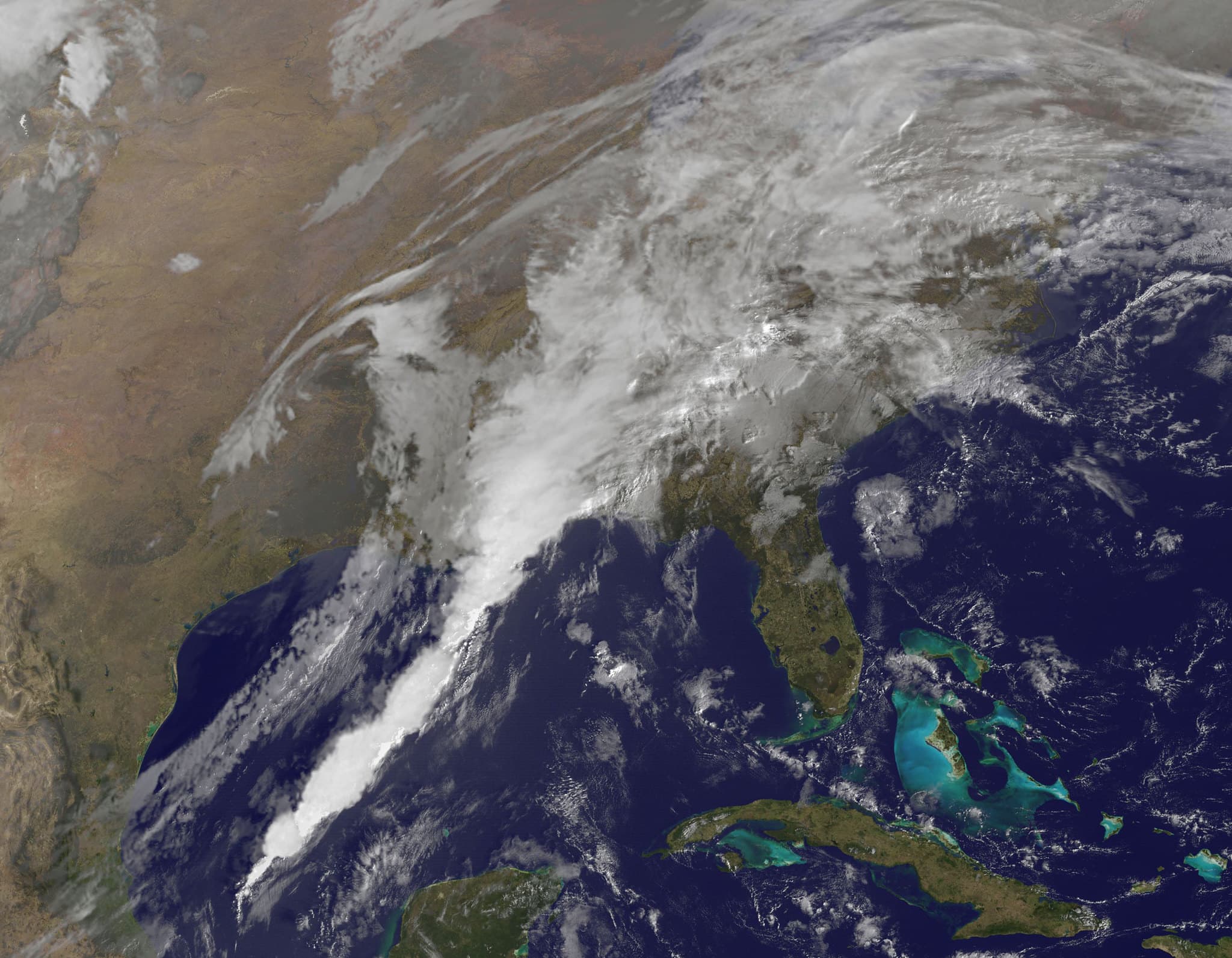
WASHINGTON — Florida's $150 billion agriculture sector braces for an intensifying hurricane season, with forecasts predicting an above-average number of named storms. This threat follows more than $6 billion in agricultural damages from Hurricanes Ian and Idalia in the past two years, hitting orange groves and vegetable farms hard. Citrus, vegetable and sugar cane crops are vulnerable to high winds and flooding. The potential for widespread destruction means billions in lost revenue for producers.
Major agricultural groups are already mobilizing for federal relief packages before the season escalates. The Florida Farm Bureau Federation spent $480,000 on lobbying in 2023, advocating for enhanced crop insurance programs and direct disaster aid. Sugar producers, including Florida Crystals and U.S. Sugar, contributed more than $1.5 million to federal campaigns last cycle. These contributions target key members on the House Agriculture Committee and Senate Appropriations panel to secure support.
The immediate goal is securing early commitments from Congress for future disaster aid. President Trump's administration approved $1.8 billion in emergency aid for Florida agriculture after Hurricane Ian in 2022, setting a precedent for swift federal response. This history creates an expectation among large growers for similar federal backing. Small and medium-sized farms, however, often struggle to access these funds, with larger, politically connected operations capturing the lion's share of relief.
The economic fallout from severe storm damage extends beyond the farm gate, affecting national food supply chains and consumer prices. Major food processors like PepsiCo, which relies on Florida oranges for its Tropicana products, face higher input costs and supply chain disruptions from potential crop failures. This pressure on large corporations adds impetus for federal intervention to stabilize agricultural markets and ensure consistent supply. Analysts predict orange juice prices could rise by 15 to 20 percent if a major storm hits the citrus belt directly.
Lawmakers from Florida, including Sen. Rick Scott, are preparing to introduce legislation for a dedicated agricultural disaster fund. This proposal seeks to streamline aid distribution and reduce the need for ad-hoc appropriations after each storm event. Opponents argue such a fund could encourage development in high-risk areas and shift the financial burden to taxpayers nationwide. The debate centers on federal responsibility versus state and private sector risk management for agricultural enterprises.