WASHINGTON — Iran has maintained its refusal to hand over its stockpile of highly enriched uranium, directly challenging international efforts to curb its nuclear program. This decision follows months of stalled negotiations with global powers, hardening the country's stance on its atomic ambitions.
The uranium, enriched to 60 percent purity, exceeds the 3.67 percent limit set by the 2015 nuclear deal and brings Tehran closer to weapons-grade material thresholds. This accumulation complicates any future diplomatic resolution.
The move strengthens hardliners within Tehran's political structure, consolidating their control over strategic national policy. It also undermines diplomatic initiatives from European Union members France, Germany and the United Kingdom, who have sought a negotiated solution for years.
For the United States, President Trump's administration now faces increased pressure to escalate financial sanctions, targeting Iran's oil exports and banking sector. Such actions could further isolate the Iranian economy, which already struggles under existing penalties.
Geopolitical tensions often translate directly into energy market volatility. A hardened Iranian position on nuclear material increases the risk premium for global oil supplies. Benchmark Brent crude futures could see immediate upward pressure, impacting shipping costs and consumer prices globally.
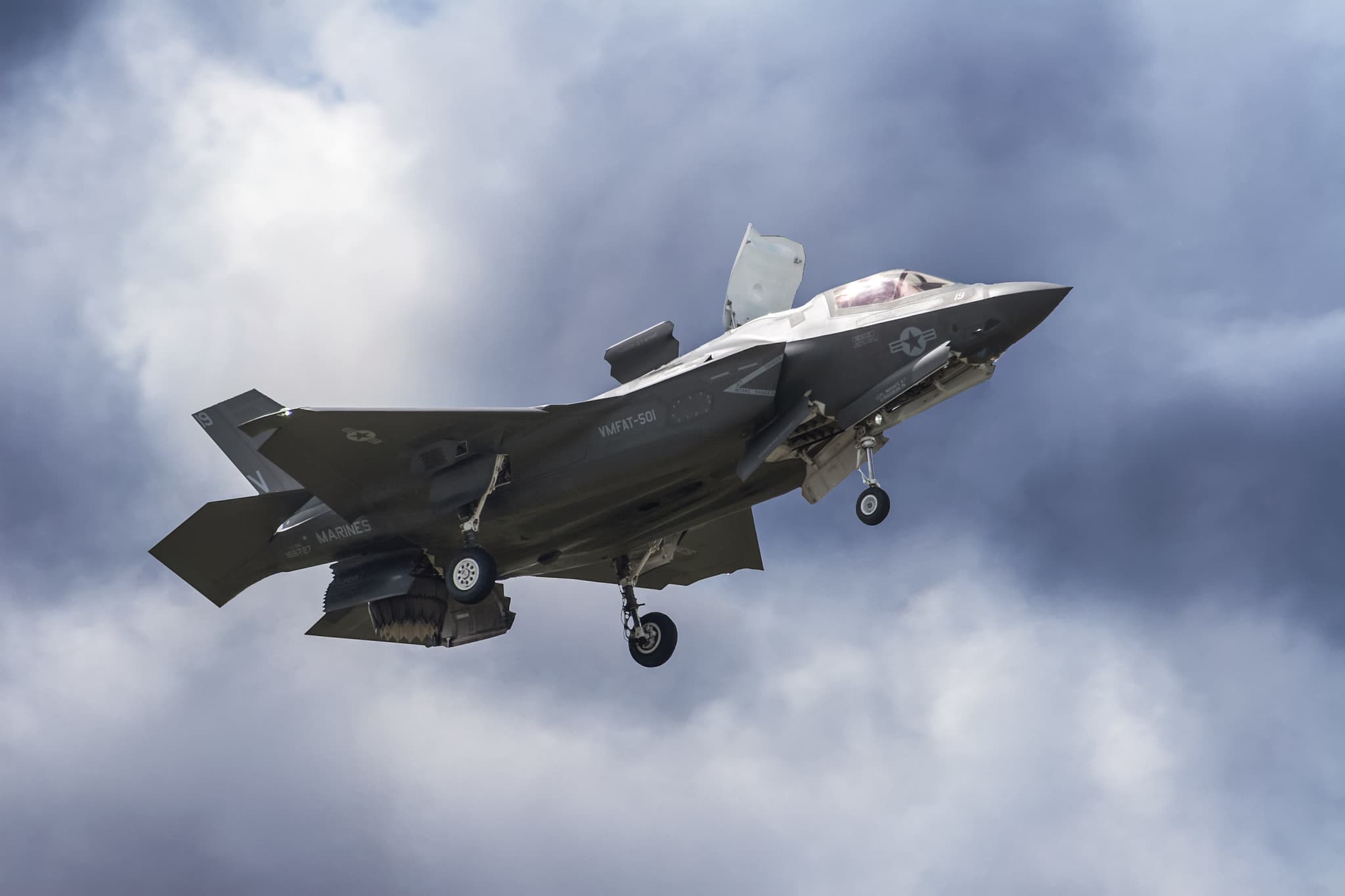
This scenario benefits major oil producers outside the Middle East and defense contractors like Lockheed Martin and Raytheon, which often see stock gains during periods of global instability. Investors seeking safety could also turn to traditional havens; gold prices typically rise during regional instability.
The lack of agreement places the Middle East on a more volatile path, increasing the risk calculation for international shipping lanes through the Strait of Hormuz. This critical chokepoint handles roughly one-fifth of the world's total petroleum consumption.
The U.S. Fifth Fleet, based in Bahrain, maintains a strong presence in the region to safeguard these routes, signaling Washington's commitment to freedom of navigation. Escalating tensions could also prompt neighboring nations to reconsider their own security postures.