WASHINGTON—U.S. Central Command reported 100 commercial vessels rerouted from the Strait of Hormuz this week, a direct response to an escalating naval blockade by Iranian forces. This disruption affects nearly 20 percent of the world's oil supply, forcing global shippers to find alternative, longer routes around the Arabian Peninsula. Crude oil prices immediately rose, with Brent futures gaining 3.2 percent and West Texas Intermediate futures increasing 2.9 percent.
Shipping insurance premiums for transit through the Persian Gulf surged 150 percent overnight, adding millions in costs for every tanker. Major oil producers outside the Middle East, particularly those in the United States Permian Basin, stand to gain from higher crude prices and increased demand. ExxonMobil shares increased 1.8 percent, while Chevron rose 1.5 percent. Conversely, major shipping lines like Maersk and Mediterranean Shipping Company face operational hurdles and potential delivery delays, impacting their second-quarter earnings outlook.
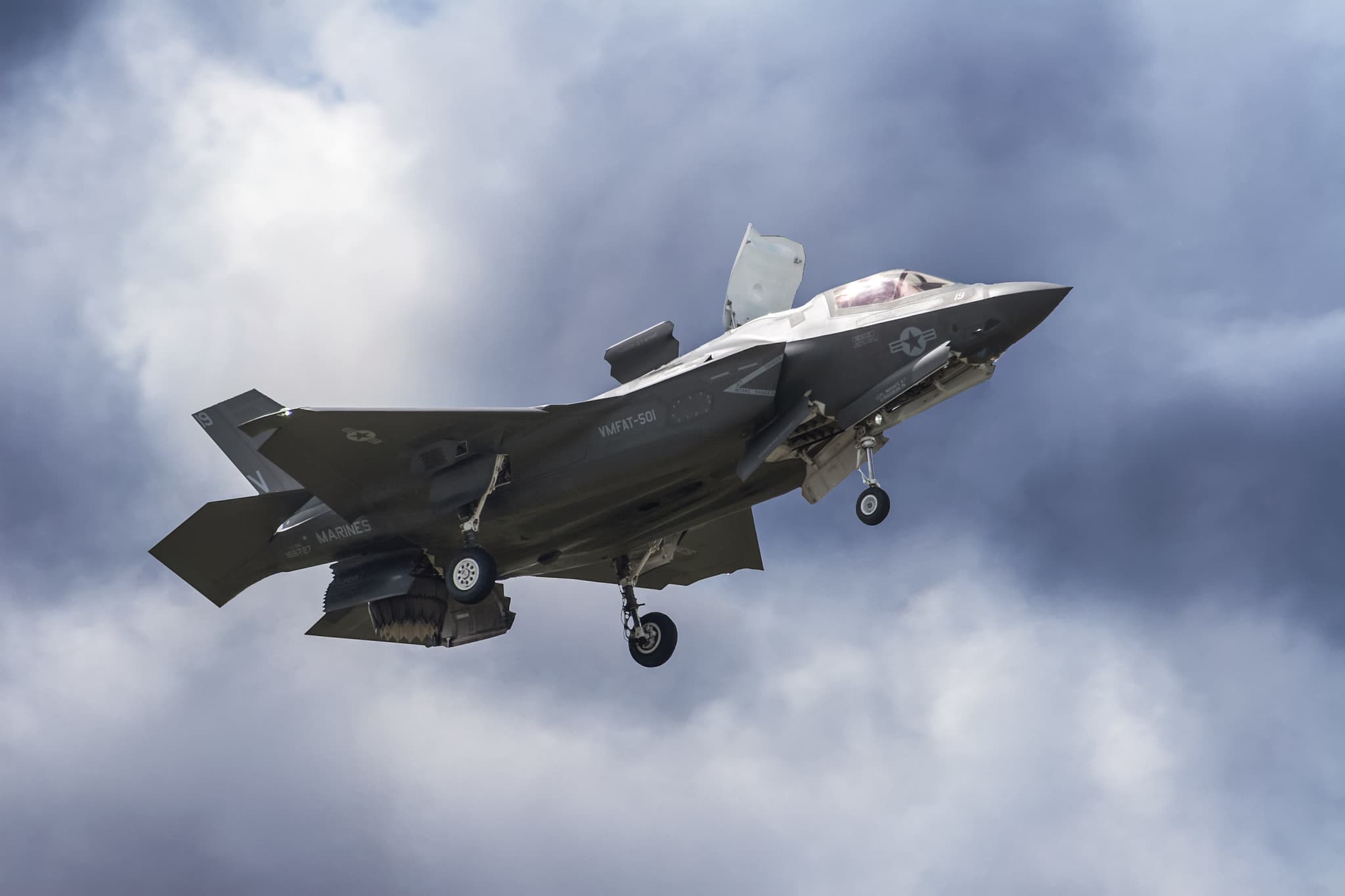
The blockade follows President Trump's recent executive order tightening sanctions on Iran's new Guard Corps, targeting their financial networks. Defense contractors and maritime security firms have intensified lobbying efforts for increased naval presence in the region, with the Aerospace Industries Association spending $18 million in the first quarter, according to OpenSecrets filings. The Pentagon has already dispatched additional destroyers and the USS Gerald R. Ford carrier strike group to the Gulf.
Companies heavily reliant on Middle Eastern crude, such as Valero Energy and Marathon Petroleum, face higher input costs for refining operations. Valero shares dropped 0.7 percent, while Marathon Petroleum fell 0.9 percent. The increased transit times and costs threaten to worsen existing supply chain pressures, impacting manufacturing and consumer goods sectors globally. Shipping analytics firms project a potential 0.5 percent reduction in global trade volume for the third quarter if the blockade continues for several weeks.
This escalation forces a strategic recalculation for global energy markets, pushing nations to diversify supply chains away from the concentrated Gulf region. It marks a shift in maritime security planning, moving beyond piracy concerns to direct state-sponsored interdiction. The event reinforces arguments for energy independence in countries like the United States, potentially driving further investment in domestic oil and gas production and alternative energy sources.