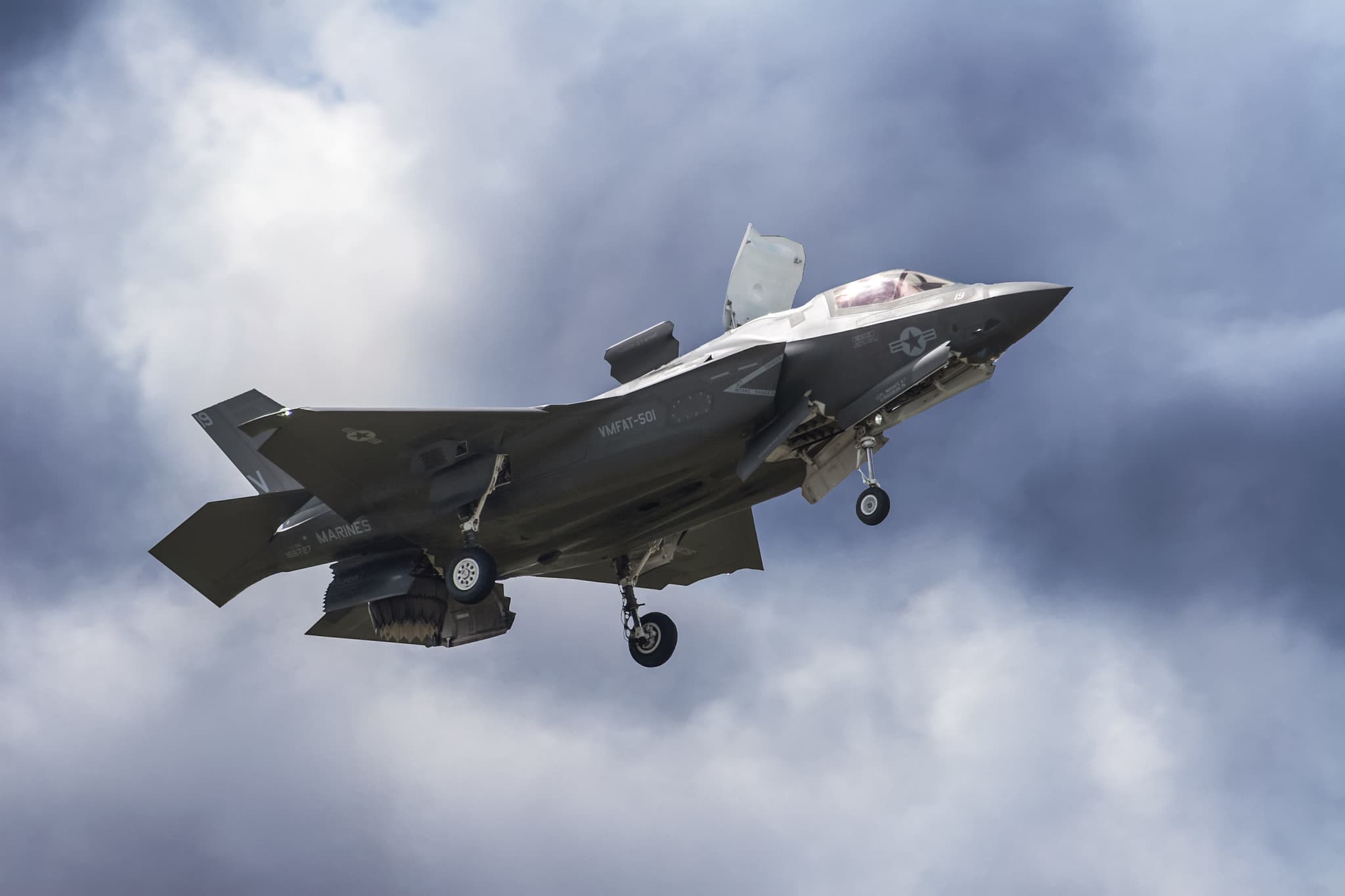
WASHINGTON — U.S. Central Command completed its 13th consecutive night of strikes against targets in Iran, a sustained campaign the Pentagon said is aimed at degrading Iranian drone and missile capabilities used against commercial shipping and U.S. assets. The operations follow a wave of Houthi attacks in the Red Sea that have disrupted global trade routes and driven up insurance costs for maritime transport.
Defense contractors moved higher on the news, with investors anticipating increased demand for munitions, surveillance technology and logistical support. Oil futures also climbed on concerns about potential supply disruptions in the Strait of Hormuz, a critical choke point for global crude shipments—a direct windfall for energy companies and a direct hit to consumers paying more at the pump.
President Trump has authorized the strikes as a deterrent against further attacks on U.S. personnel and allied interests in the Middle East. The White House has framed the campaign as proportional, designed to restore deterrence without triggering a wider conflict.
Defense industry lobbyists have intensified their push on Capitol Hill for increased appropriations to cover munitions replenishment and fund ongoing operations. The firms executing those operations stand to secure new Pentagon contracts as the campaign extends. U.S. consumers, meanwhile, absorb the other side of the ledger: higher fuel costs and rising transportation expenses for goods.
The broader market pulled back on the escalating geopolitical risk. The S&P 500 fell 1.2 percent, closing at 7,408, as investors moved capital out of riskier assets.