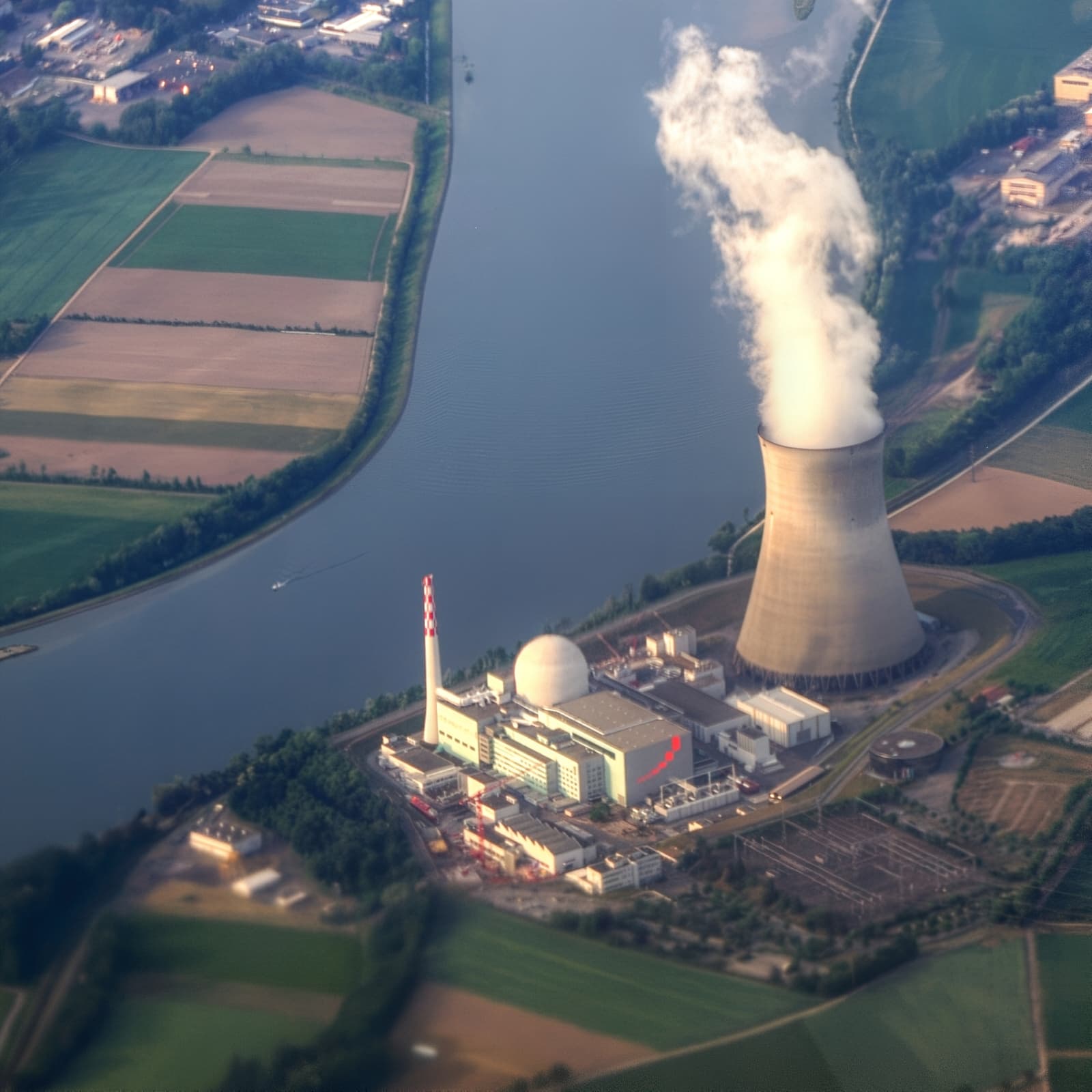
WASHINGTON — President Donald Trump's administration faces immediate resistance on Capitol Hill over its proposed nuclear cooperation deal with Saudi Arabia. The agreement would allow U.S. companies to supply technology for Saudi civilian nuclear power plants, a deal potentially worth $80 billion over 10 years for American contractors. The push aims to strengthen U.S. influence in the Middle East and counter China's growing presence.
A bipartisan group of senators, including Sen. Bob Menendez (D-N.J.) and Sen. Lindsey Graham (R-S.C.), signaled plans to introduce legislation blocking the transfer. Their primary concern centers on Saudi Arabia's refusal to sign a "gold standard" Article 123 agreement, which would prohibit Saudi uranium enrichment on its own soil — a safeguard considered essential by non-proliferation advocates and regional allies including Israel.
Opponents argue allowing Saudi Arabia to enrich uranium sets a dangerous precedent, echoing past concerns over Iran's nuclear program. "Such a deal undermines our non-proliferation efforts across the globe," Graham said. The Arms Control Association has spent heavily to raise awareness, with lobbying filings showing more than $300,000 in expenditures during the second quarter focused on nuclear export policy.
American nuclear engineering firms stand to gain significantly. Westinghouse Electric Company, a subsidiary of Brookfield Business Partners, and Bechtel Corporation are prime candidates for reactor design, construction and fuel supply contracts. Westinghouse spent $1.1 million lobbying Congress in the first quarter, advocating for streamlined nuclear export approvals. Both firms anticipate thousands of U.S. jobs tied to such projects.
The United States is racing to outmaneuver China's National Nuclear Corporation, which offers less stringent oversight in its own bids for Saudi nuclear projects. Russia's Rosatom also competes for these contracts, adding urgency to the administration's push.
The deal's political fight has not yet created broad market volatility. Defense stocks with significant Middle East exposure saw minor gains: Lockheed Martin rose 0.2 percent to $490.15, and Northrop Grumman climbed 0.3 percent to $465.70.