NEW YORK — Tanker crossings through the Strait of Hormuz fell to their lowest level in more than two months, data shows, sending crude futures higher as markets repriced for a tighter supply outlook.
The strait, a narrow waterway between Iran and Oman, handles approximately one-fifth of the world's crude oil consumption. Saudi Arabia, the United Arab Emirates, Kuwait, Iraq and Iran all rely on the passage to reach international buyers. Any sustained change in transit volume carries direct consequences for global energy pricing.
The decline in crossings points to reduced crude leaving the Persian Gulf — a condition that could reflect OPEC+ production cuts, softening demand from key importers or geopolitical pressure on shipping decisions. Historically, periods of lower Hormuz traffic have preceded upward pressure on crude benchmarks as the market prices in a constrained supply environment.
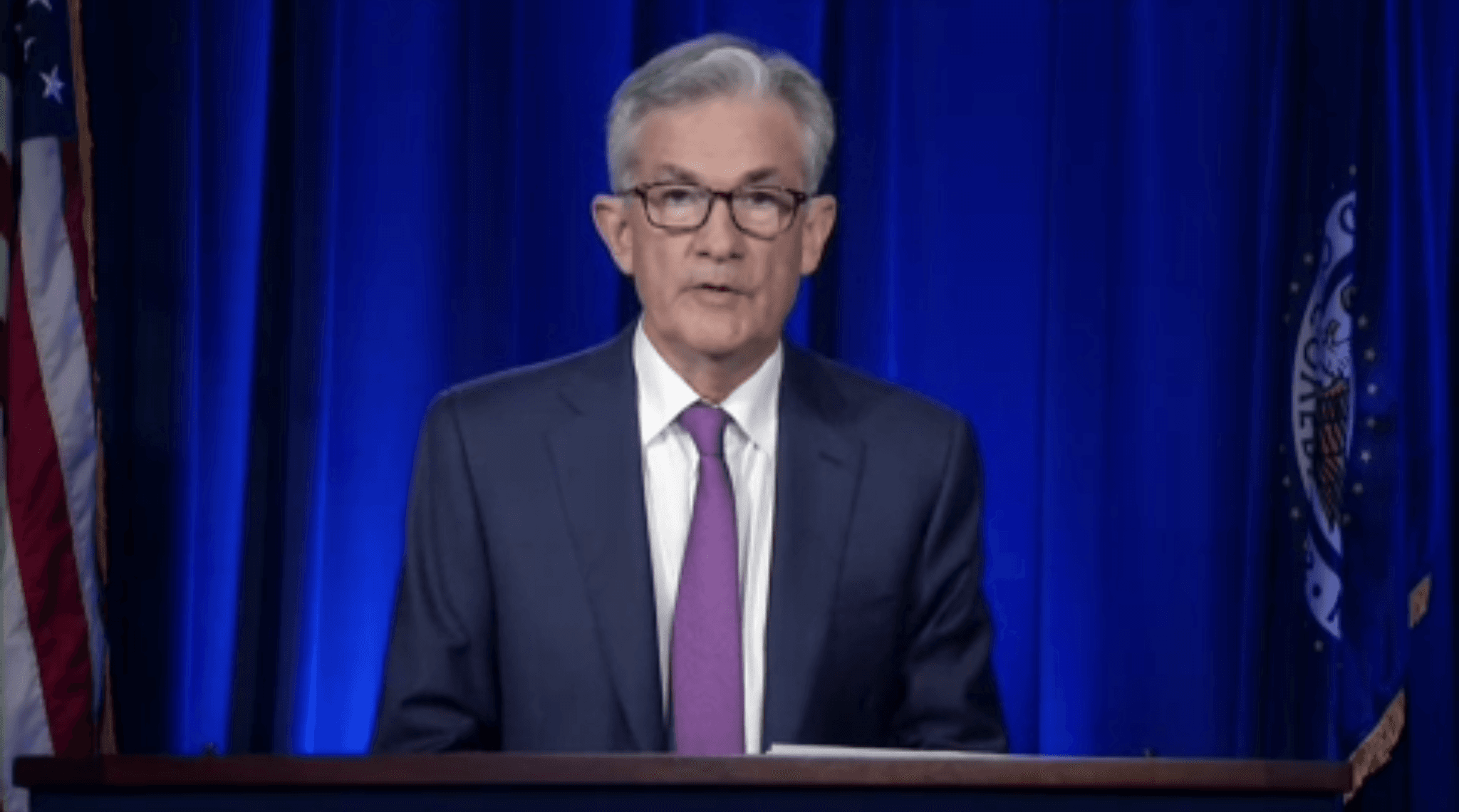
Higher crude prices feed directly into inflation, the primary variable complicating the Federal Reserve's path back to its 2 percent target. Federal Reserve Chair Kevin Warsh has said the central bank remains committed to that goal. A sustained rise in energy costs would pressure the Fed to hold the federal funds rate higher for longer — increasing duration risk for bond investors and flattening the yield curve as markets price in an extended period of restrictive policy.
The two-year Treasury yield, acutely sensitive to Fed rate expectations, moved higher as oil prices firmed, reflecting an expanded inflation premium. Energy sector corporate spreads could compress if higher oil prices improve issuer cash flows, though broader macroeconomic uncertainty limits that tightening.
Equity markets sold off. The Dow Jones Industrial Average dropped 1.0 percent, the S&P 500 fell 1.2 percent and the Nasdaq composite declined 2.2 percent. Energy sector stocks outperformed on higher oil revenue expectations. The current drop in Hormuz traffic, while not yet a supply crisis, is a sharp reminder of how quickly a single chokepoint can reprice risk across asset classes.