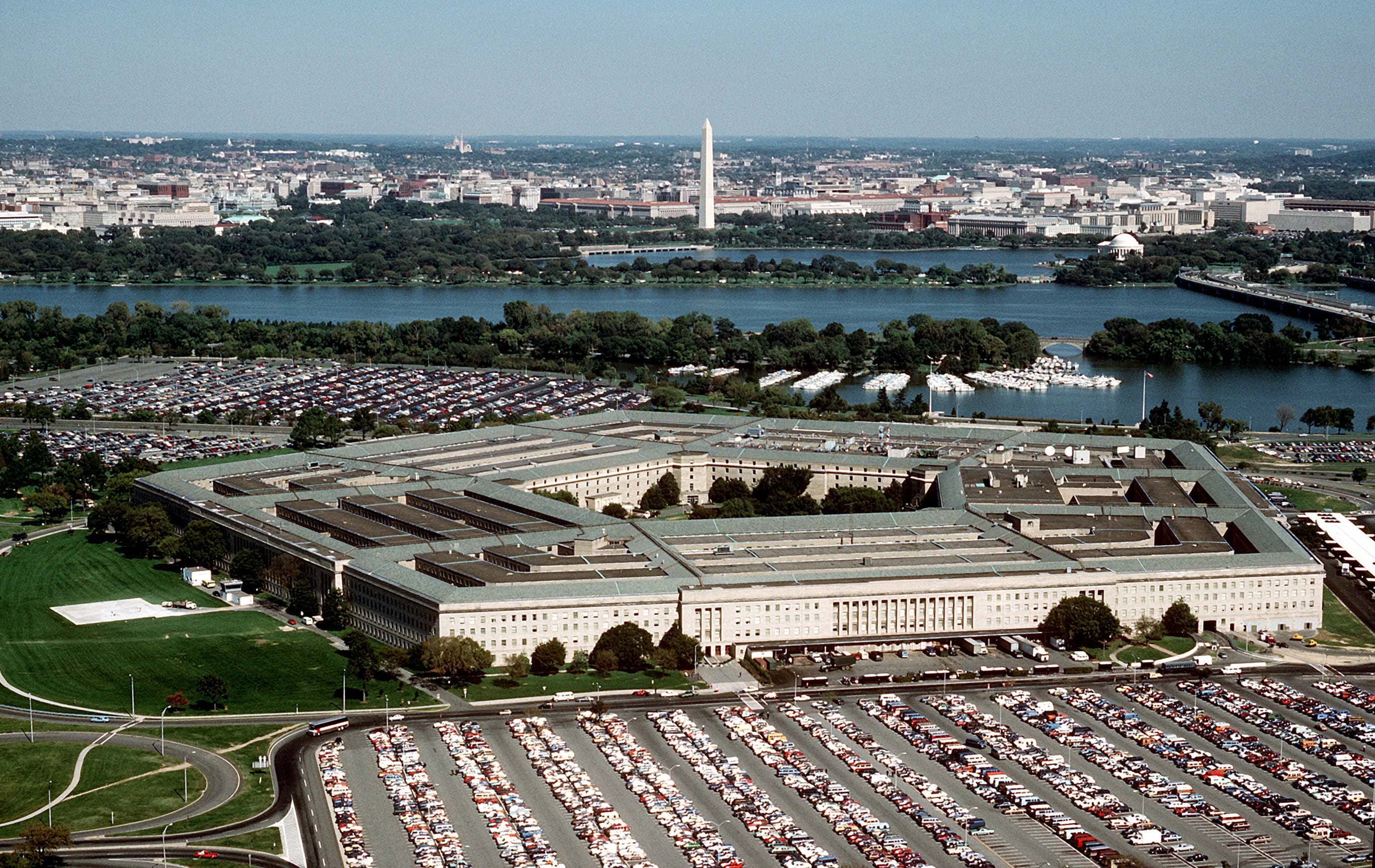
WASHINGTON — The House of Representatives voted 220-205 along party lines to pass the National Defense Authorization Act, which includes a provision to rename the Department of Defense the Department of War. The measure, a cornerstone of President Trump's foreign policy agenda, now moves to the Senate.
The $895 billion package is one of the largest defense bills in recent history. Lockheed Martin, Raytheon Technologies and Boeing are set to secure billions in new contracts for advanced weaponry, maintenance and research and development. Lockheed Martin alone spent $4.8 million on lobbying in the first quarter of 2026, according to OpenSecrets filings, with Raytheon and Boeing close behind at $3.7 million and $3.1 million respectively.
The renaming carries historical weight. The Department of Defense was established in 1947, consolidating the old Department of War and the Department of the Navy to project a less aggressive international image in the post-World War II era. Reverting to the Department of War signals a readiness for direct engagement that could reshape diplomatic conversations and alliance structures.
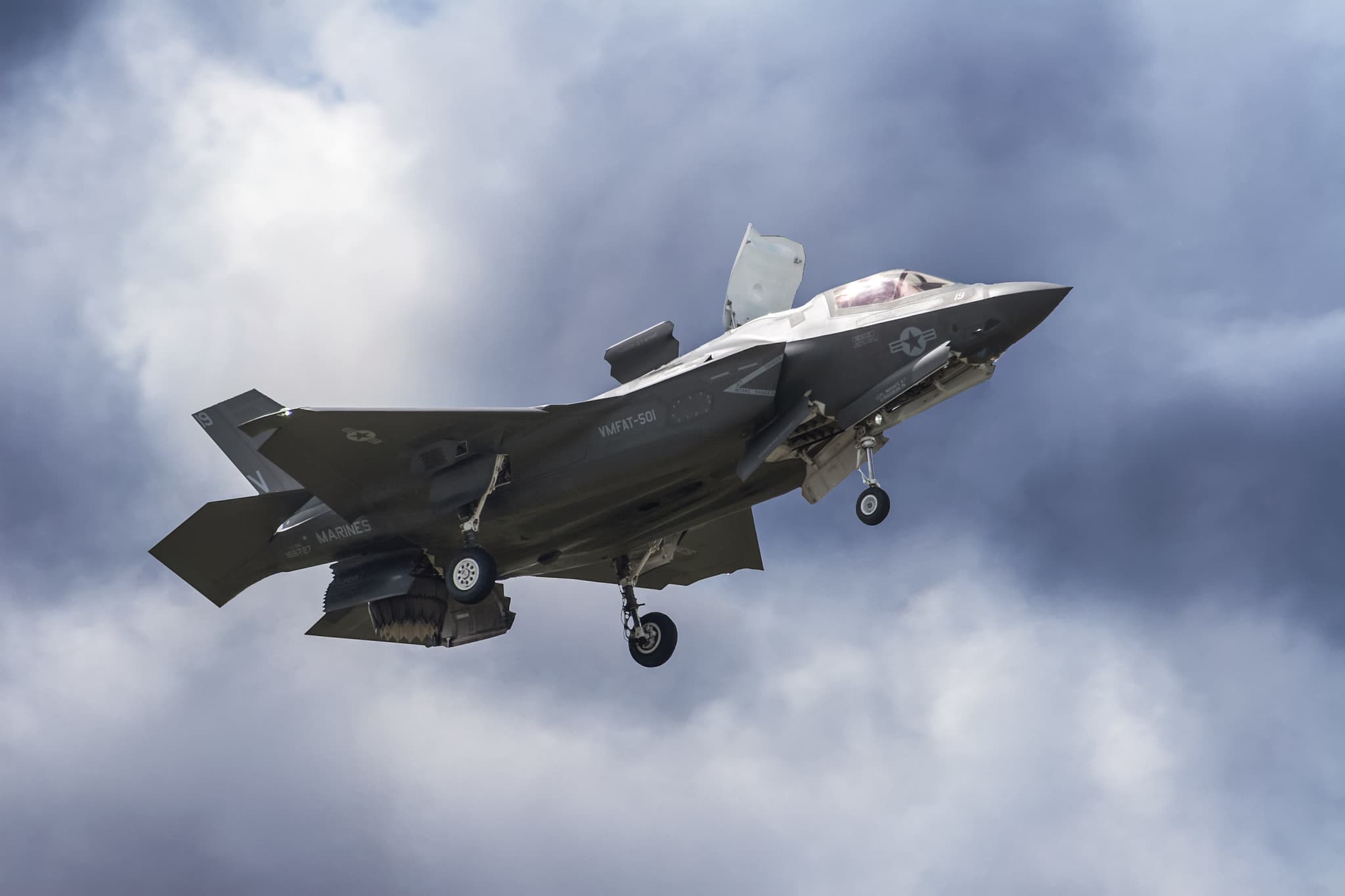
The bill allocates $30 billion for new F-35 fighter jets, a direct revenue injection for Lockheed Martin. Another $12 billion is earmarked for naval shipbuilding, directly benefiting Huntington Ingalls Industries, which operates shipyards in key congressional districts. The bill also funds modernization of strategic forces, expanded missile defense and next-generation technology programs.
Lobbying firms including Akin Gump Strauss Hauer & Feld and the Aerospace Industries Association aggressively pushed for these funding levels, targeting members of the House Armed Services Committee and other influential lawmakers. Their efforts kept provisions for hypersonic weapons development and expanded cybersecurity initiatives intact despite opposition. Those programs translate into multi-year revenue streams for the companies they represent.
Democrats argued the name change was provocative and the spending excessive, warning against escalating international tensions and diverting funds from domestic priorities. Their amendments to cut specific programs — including additional F-35 procurements and certain missile defense systems — failed by narrow margins, typically on votes of 210-215, a significant but unsuccessful challenge to the bill's core provisions.
The NDAA now faces a vote in the Senate, likely in late Aug. While the name change may draw resistance from centrist senators who prefer the traditional Department of Defense, the core spending provisions are expected to pass largely intact. Senate Armed Services Committee Chairman Roger Wicker has indicated strong support for the overall funding levels, citing geopolitical tensions in Eastern Europe, the Indo-Pacific and the Middle East. If the Senate passes an amended version, a conference committee will reconcile differences before the bill goes to President Trump for his signature, likely by the end of September.