WASHINGTON — The House approved an amendment to the National Defense Authorization Act that renames the Department of Defense as the Department of War. The vote was 228-207, largely along party lines, with 12 Republicans joining Democrats in opposition. The measure now moves to the Senate.
Defense industry groups and conservative think tanks spent over $18 million in the second quarter lobbying Congress on defense spending and national security policy, according to disclosure filings. Lockheed Martin, Raytheon Technologies and General Dynamics collectively increased their lobbying expenditures 15 percent this quarter, focusing on key committees. The American Strength Initiative, a political action committee backed by major defense contractors and hawkish donors, contributed $3.5 million to House members who voted for the renaming amendment — including $500,000 to the amendment's sponsor, Rep. Mark Thorne (R-Ga.), and $750,000 distributed among members of the House Armed Services Committee.
The renaming marks a deliberate break from the post-World War II framework. The department was originally called the Department of War from 1789 until 1947, when it was reorganized as the National Military Establishment, then renamed the Department of Defense in 1949. Proponents, primarily conservative Republicans, argue the original name accurately reflects the military's primary function and sends a direct message to adversaries including China and Russia. President Trump has repeatedly used the phrase "Department of War" in public remarks, giving the move political cover.
The primary winners are hardline national security advocates, who view the name as a strategic reset, and the defense industrial base, which sees the change as reinforcing a robust military budget and an assertive foreign policy. Opponents — a bloc of progressive Democrats led by Rep. Alexandria Ocasio-Cortez (D-N.Y.) and libertarian-leaning Republicans including Rep. Thomas Massie (R-Ky.) — argued the renaming promotes militarism and could strain diplomatic relationships. They lost despite a concerted effort to strip the amendment during committee markups.
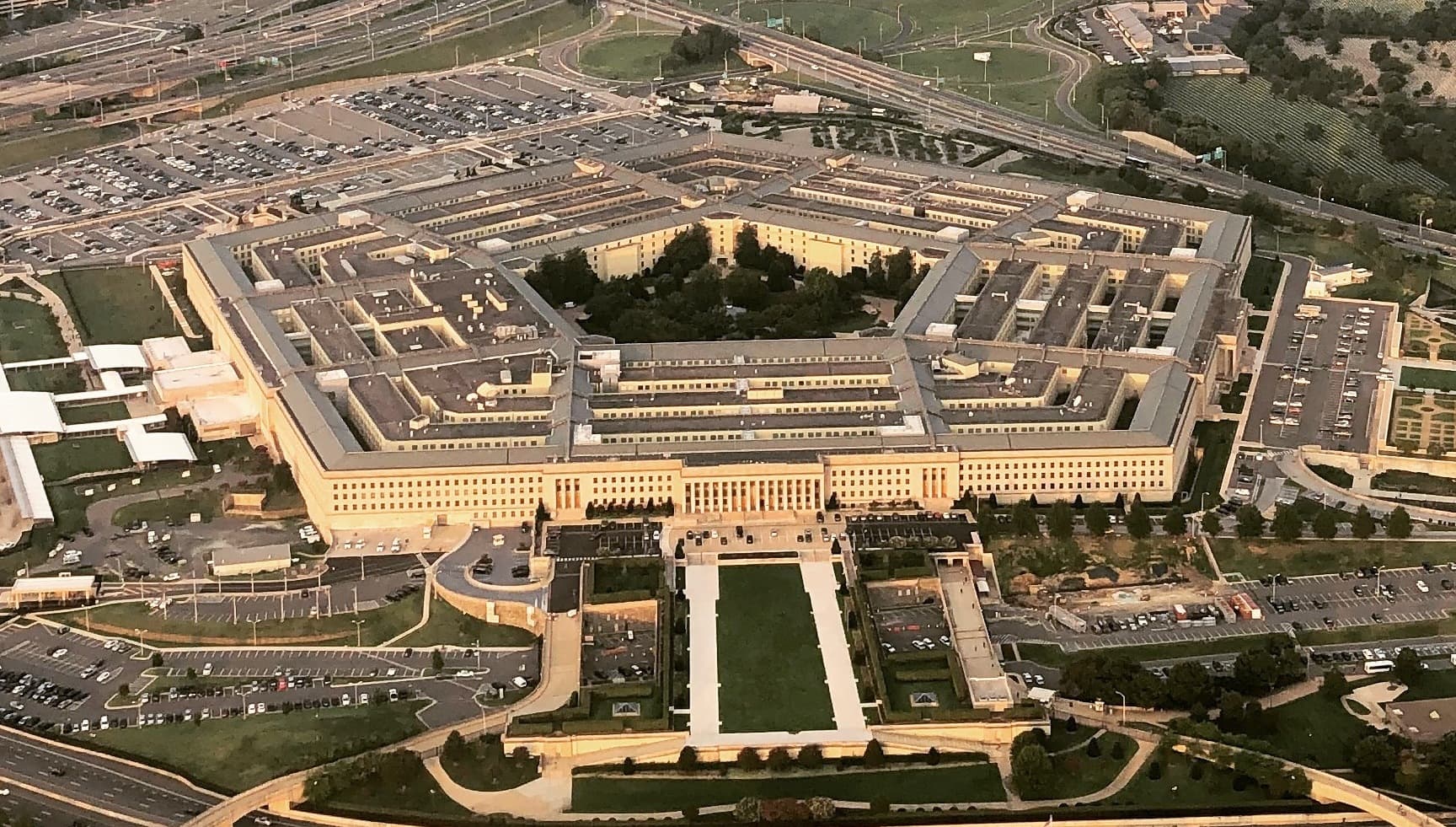
The renaming provision is embedded in the broader NDAA, a must-pass bill authorizing military spending for the upcoming fiscal year. If enacted, the change would require a bureaucratic overhaul: renaming subordinate agencies, updating official documents, seals and public-facing communications. Rebranding costs for the Pentagon's infrastructure are estimated in the low tens of millions of dollars.
The NDAA totals $886 billion for fiscal year 2027, a 3 percent increase from the previous year. The Senate Armed Services Committee is expected to take up its version of the bill in August, with a full Senate vote anticipated by early September. If the Senate passes the NDAA with the renaming provision, it goes to a conference committee before a final vote and presidential signature, likely by year-end. The name change would take effect Jan. 1, 2027.