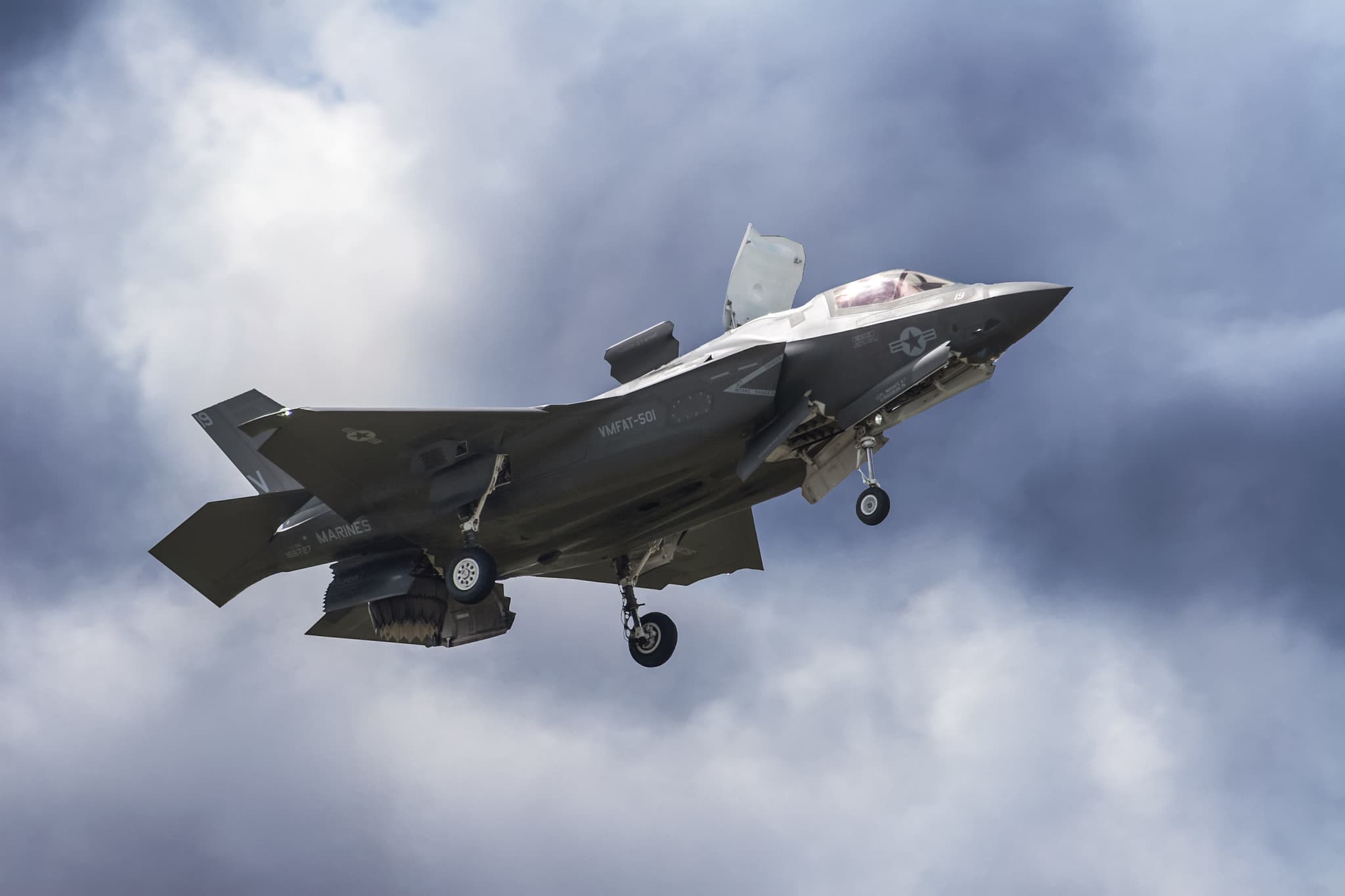
The United States paused its bombing campaign targeting Iranian military facilities, marking a sharp shift in Middle East policy. President Trump's decision follows months of escalating tensions in the Gulf, where U.S. forces had conducted retaliatory strikes. The pause comes as a new conflict front erupted in the Red Sea, demanding immediate international attention.
Houthi forces in Yemen launched multiple drone and missile attacks against Saudi Arabian naval vessels and commercial shipping in the Bab el-Mandeb Strait. Saudi Arabia said its forces intercepted three Houthi drones over international waters within 24 hours. The strait is a critical chokepoint for global maritime trade, through which 12 percent of seaborne oil and 30 percent of container traffic passes annually.
The pause on Iran frees up military and diplomatic resources for the Red Sea crisis—and hands a tactical win to Iranian-backed Houthi forces, reducing direct pressure on their primary patron while a new front opens. Shipping insurance premiums for vessels transiting the Red Sea have already risen four percent this week, according to data from Lloyd's of London, adding millions in costs for global commerce. Major shipping lines are now evaluating longer routes around Africa.
The pause creates new economic winners and losers. Defense contractors specializing in anti-drone and anti-missile technology may see increased demand from Saudi Arabia and its allies. Companies like Lockheed Martin and Raytheon Technologies, which produce such systems, could benefit from new procurement needs. Global trade suffers from higher shipping costs, and consumers face potential price increases for imported goods.
The pause also signals a desire to engage Saudi Arabia more closely on regional security without the complication of ongoing strikes against Iran. That strengthens Riyadh's hand in its conflict with the Houthis but places a greater burden on Saudi forces to secure the vital waterway.
The State Department said a special envoy will travel to Riyadh next week for urgent talks with Saudi officials on Red Sea security. The envoy will also meet with United Nations representatives to discuss a potential ceasefire framework for the region.