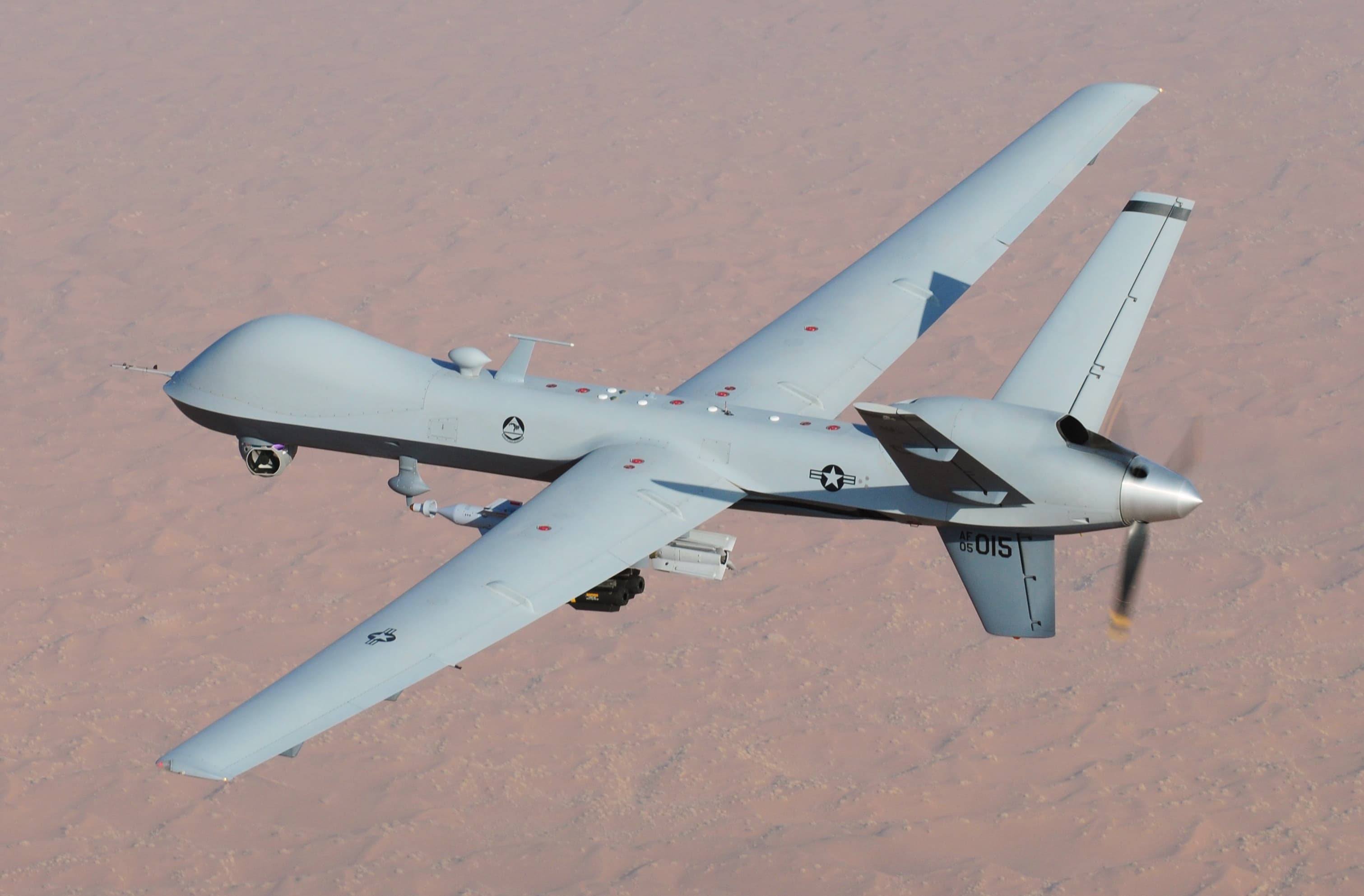
Tehran-aligned militants launched attacks against Saudi Aramco facilities, including the Abqaiq oil processing plant, raising immediate global oil supply concerns and forcing investors to reassess stability in the Middle East.
The attack directly tests the fragile pause in U.S.-Iran tensions, a policy central to President Trump's current foreign agenda. The White House has yet to issue a formal response, but analysts expect a decisive U.S. diplomatic or military posture. Any misstep could quickly escalate regional conflict.
U.S. equity markets showed a mixed reaction, reflecting deep investor uncertainty. The Nasdaq Composite, heavily weighted toward technology, fell 0.6 percent to 24,976. The broader S&P 500 remained flat at 7,412, while the Dow Jones Industrial Average gained 0.5 percent to 51,947. The divergence signals a rotation toward defensive sectors and away from growth names.
Major technology stocks experienced immediate pressure. Nvidia traded down 0.9 percent to $206.84, while Meta Platforms dropped 1.8 percent to $595.19. Tesla fell 2.1 percent to $313.03, reflecting investor apprehension about growth prospects during rising geopolitical instability. Apple gained 3.5 percent to $333.02, potentially benefiting from its defensive cash position.
This event demands a critical re-evaluation of portfolio risk, especially for high-beta growth stocks. The attack does not directly hit tech sector earnings, but a sustained rise in crude oil prices would pressure consumer discretionary spending and corporate operating margins across industries—likely triggering downward earnings revisions in coming quarters. Investors should consider hedging strategies against increased energy costs.