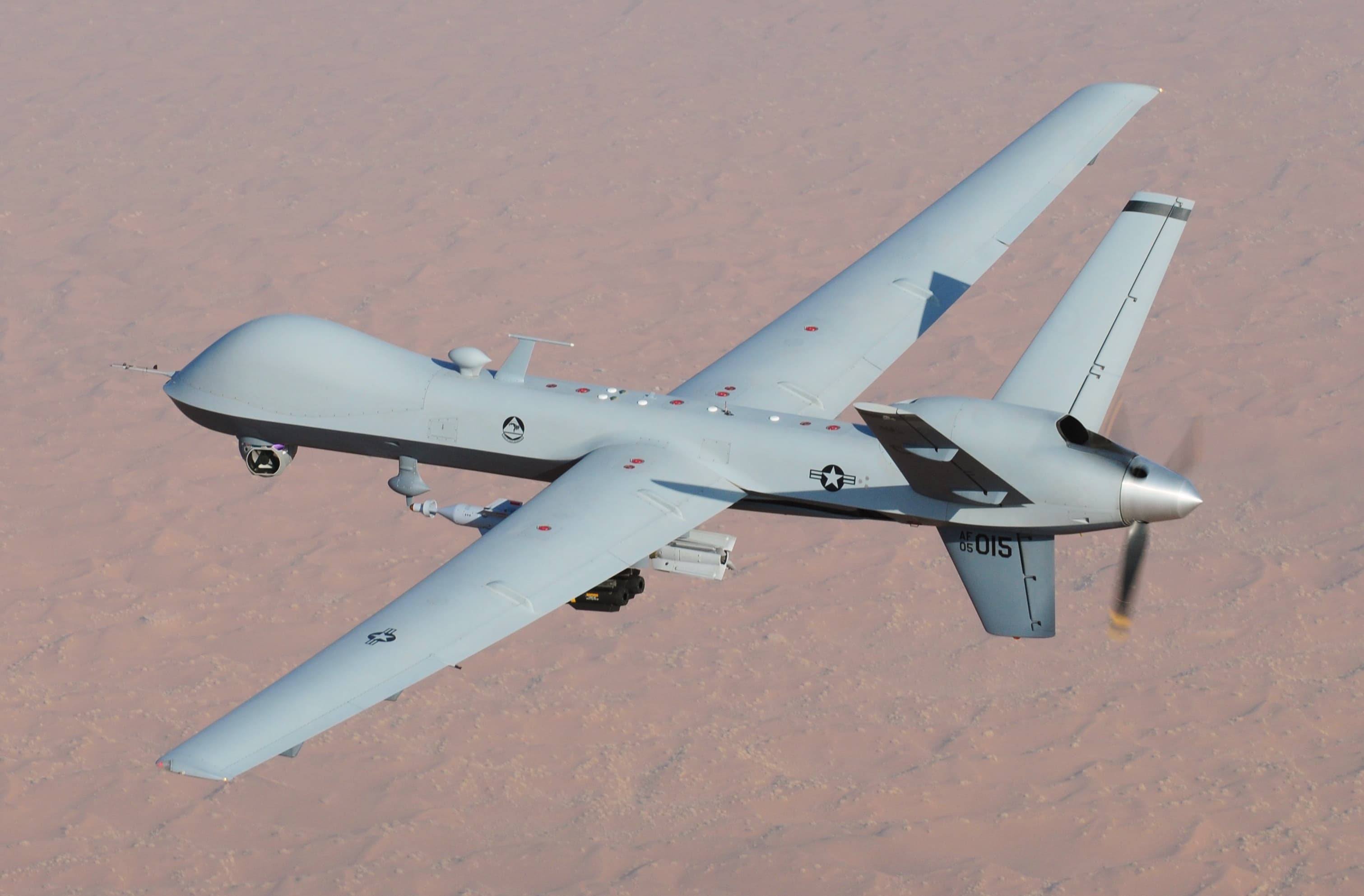
RIYADH — Saudi Arabia confirmed attempted drone attacks from Iraq, targeting key oil facilities. The incident marks a clear escalation of regional tensions in the Middle East. Saudi officials said the drones were intercepted, and no damage to infrastructure or disruption to oil production occurred. The event places geopolitical risk back at the forefront for energy investors, demanding a reassessment of sector exposure.
U.S. energy equities will likely trade with an elevated risk premium following this news. The sector, represented by the Energy Select Sector SPDR Fund (XLE), often reacts sharply to supply concerns from the Middle East. While the broader S&P 500 remains flat today at 7,412, the underlying energy components face increased scrutiny.
Even an unsuccessful attack can tighten market sentiment and push crude prices higher, squeezing refiner margins while boosting upstream producers. Investors should assess exposure to companies with significant operations tied to global oil prices, particularly those with high leverage to spot market movements. The long-term investment thesis for energy now includes a more pronounced geopolitical component.
Washington has not yet issued a formal statement on the attacks. Any U.S. government response, particularly regarding intelligence sharing or security assurances for the region, will be crucial. The origin of the drones from Iraqi territory complicates regional diplomacy and security efforts, adding another layer of uncertainty.
The immediate focus shifts to Saudi Arabia's official investigation and Iraq's efforts to identify and neutralize the launch groups. Any joint statement from Riyadh and Baghdad detailing findings and proposed countermeasures will provide a clearer picture of the ongoing threat level and its sustained impact on the global oil market and U.S. energy valuations.