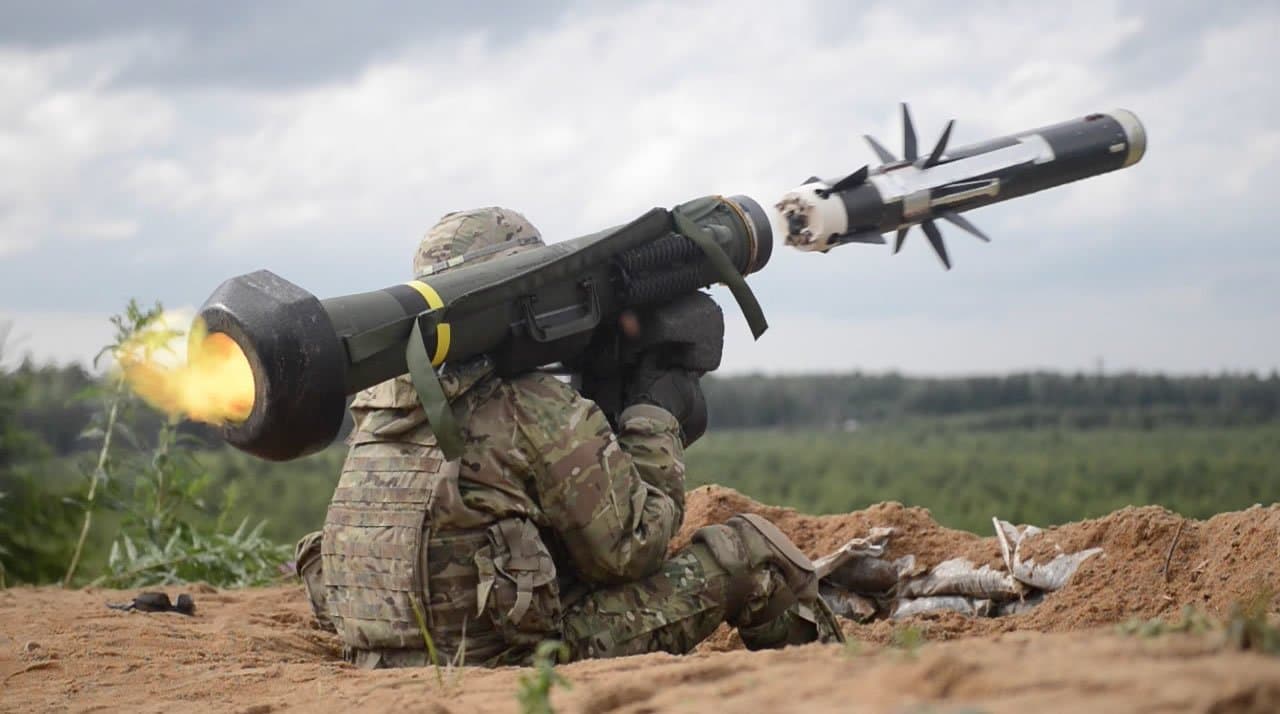
WASHINGTON — U.S. Central Command announced late Monday that all Iranian missiles launched toward U.S. assets and regional allies were successfully intercepted, preventing any reported damage or casualties across a region already gripped by heightened tensions.
The interceptions followed a volley of projectiles fired from Iranian territory targeting undisclosed locations. U.S. military officials had pre-positioned advanced air defense systems, including Patriot and THAAD batteries, in anticipation of potential aggression. Global markets showed a mixed reaction: the S&P 500 closed up 0.2 percent at 7,429, but the Nasdaq fell 0.2 percent to 24,877. Oil prices saw only minor fluctuations after the news broke.
The successful intercepts immediately benefit major U.S. defense contractors. Companies producing missile defense systems — Lockheed Martin and Raytheon Technologies among them — could see increased demand for interceptor technologies and radar systems. The episode hands defense lobbyists fresh ammunition to push for sustained or higher Pentagon budgets, particularly for air and missile defense programs.
The outcome could influence U.S. foreign policy decisions, potentially solidifying military commitments to Gulf states that rely on U.S. security guarantees.
Key U.S. allies in Europe and Asia quickly issued statements supporting the U.S. defensive posture and condemning the Iranian action, reinforcing Washington's diplomatic leverage in international forums. President Trump is scheduled to address the nation Tuesday morning and is expected to outline next steps.
The United Nations Security Council will convene an emergency session Wednesday to discuss regional implications and potential diplomatic options. U.S. diplomats are expected to present intelligence on the attack and seek international condemnation of Iran's actions.
