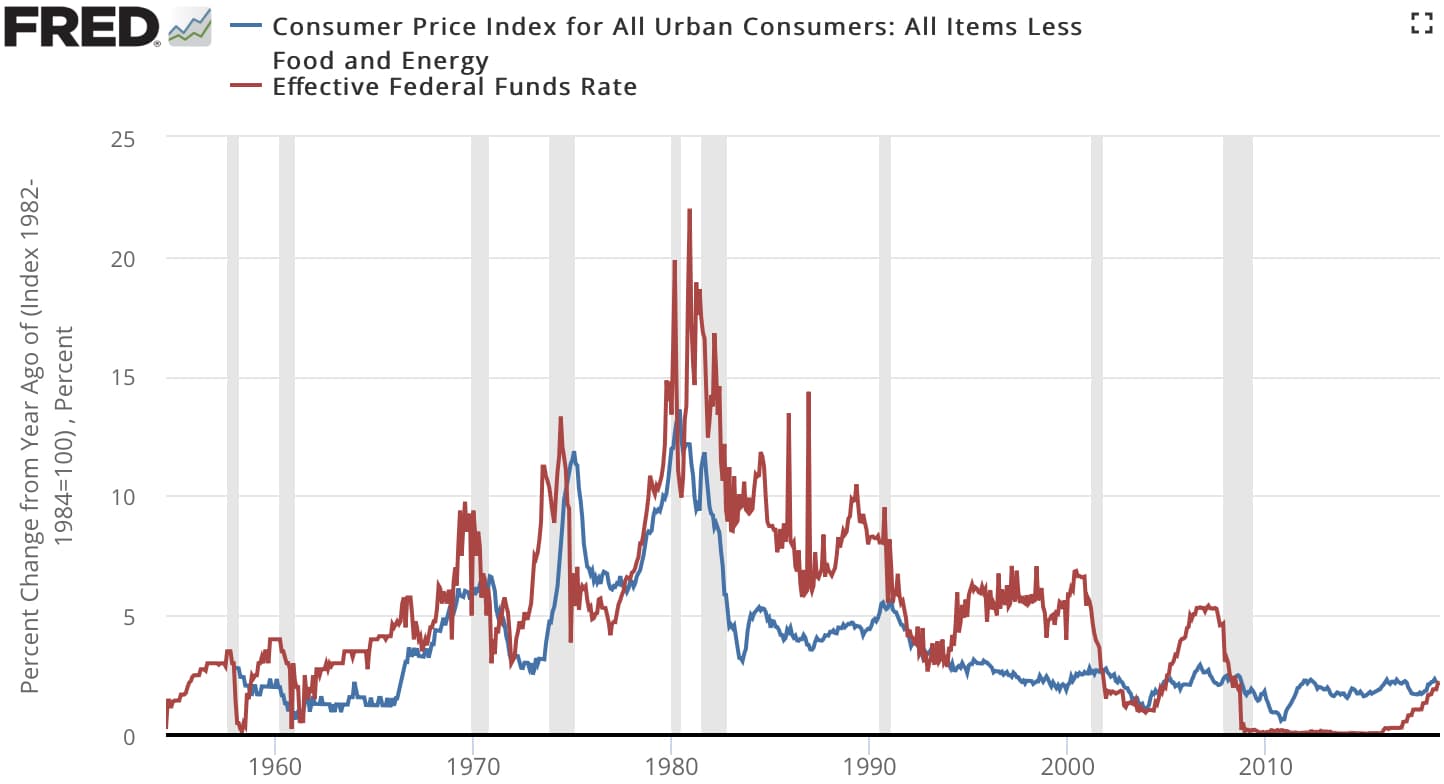
WASHINGTON — The Federal Reserve maintained its benchmark interest rate target range at 5.25 percent to 5.50 percent, a decision markets had widely anticipated.
Three members of the Federal Open Market Committee voted to raise rates by 25 basis points, revealing a significant hawkish split within the central bank. The dissent reflects a deepening internal debate over the persistence of inflation and the appropriate pace of policy tightening.
U.S. equity indices reacted with caution. The Dow Jones fell 1.6 percent to 51,922, while the S&P 500 dropped 0.5 percent to 7,390.
Rate-sensitive growth stocks had a mixed session. Nvidia declined 2.2 percent to $192.77, reflecting concern over higher borrowing costs compressing future growth valuations. Alphabet, by contrast, rose 1.7 percent to $339.48, its strong cash flows offering insulation against a hawkish backdrop. The divergence signals investor preference for companies with robust balance sheets when rate policy is in flux.
The majority statement acknowledged ongoing progress toward the Fed's two percent inflation target but said the pace has slowed. The three dissenting votes likely stem from concern over persistent core inflation and a resilient labor market — unemployment held at three percent, a level that could sustain wage pressures and keep inflation elevated.
That internal division means the Fed's higher-for-longer stance is not uniformly embraced, which creates a more complex outlook than the held-rate headline suggests.
The three-member dissent is a clear signal for increased volatility, particularly in rate-sensitive sectors. Companies carrying substantial debt or trading on high growth multiples face continued headwinds as the cost of capital stays elevated — Tesla, which fell 1.6 percent to $302.38, is the clearest example. Established cash generators like Microsoft, which gained 1.2 percent to $397.92, offer defensive strength through free cash flow generation and pricing power. In this environment, prioritize companies that can protect margins without relying on cheap financing.
The Fed's next policy meeting is scheduled for Sept. 17-18. New Summary of Economic Projections, including the dot plot, will be released, providing updated individual member forecasts for interest rates. Upcoming Consumer Price Index and Personal Consumption Expenditures readings will be the critical inputs — sustained disinflation could quiet the hawks, while any reacceleration raises the odds of a September hike and a fresh round of dissents.

