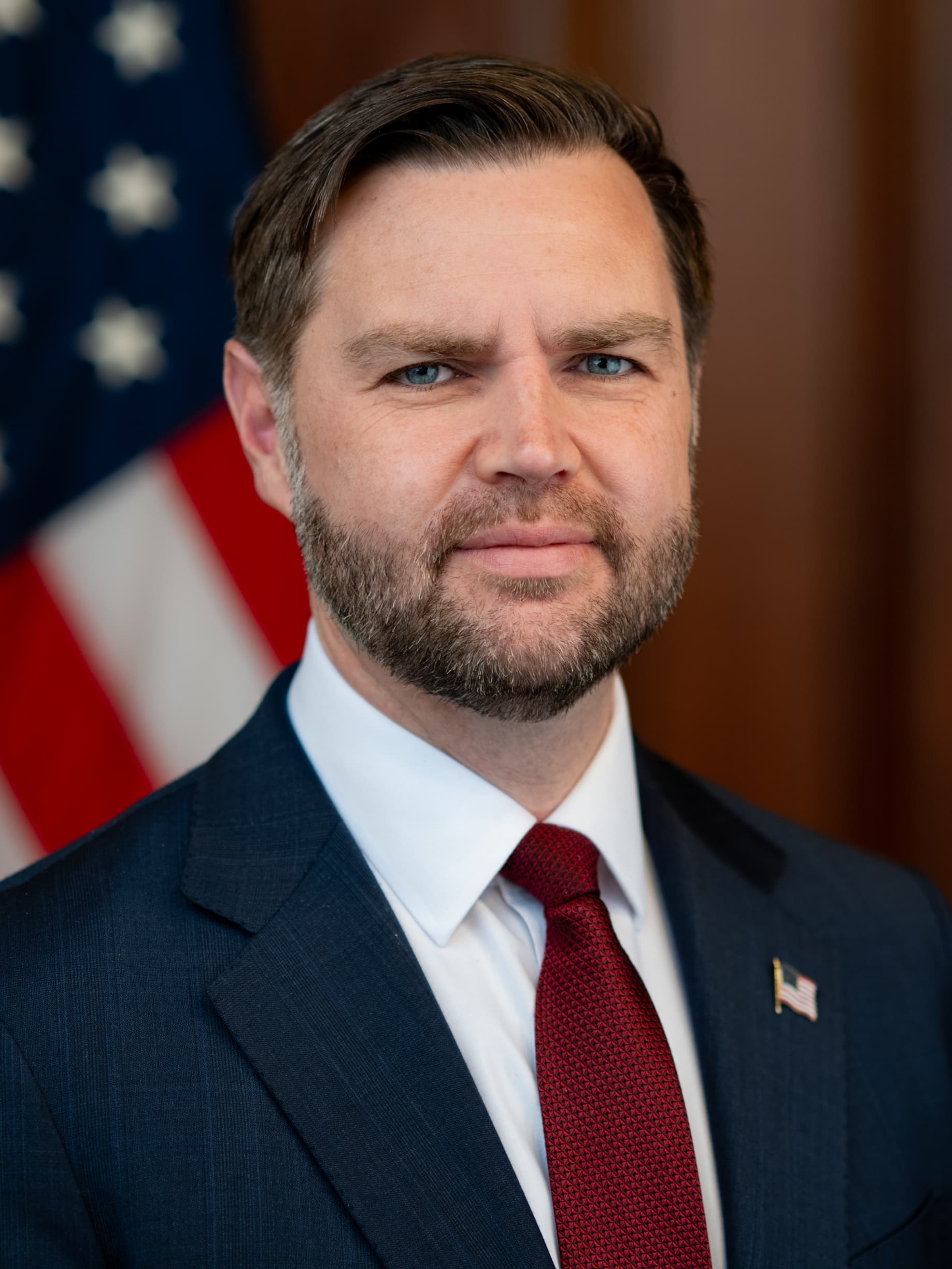
WASHINGTON — Vice President JD Vance and Sen. Marco Rubio of Florida are tied at an 18 percent implied probability of winning the 2028 U.S. presidential election, according to Kalshi prediction market data, positioning both Republicans as early frontrunners more than two years out.
California Gov. Gavin Newsom holds a 12 percent chance, making him the leading Democrat in the early market. Georgia Sen. Jon Ossoff follows at 11 percent. The numbers reflect an early read on perceived viability among high-stakes political bettors.
Kalshi operates as a federally regulated exchange where users trade on the outcome of future events. The percentages represent the market's collective assessment of each candidate's likelihood of securing the presidency, based on trading activity.
Vance benefits from direct association with the sitting Trump administration. His conservative credentials and appeal to the party's base position him strongly for a potential primary contest. His political action committees have already begun modest fundraising for the 2026 midterm cycle, which often serves as a proving ground for future presidential bids.
Rubio, a long-serving senator and former presidential candidate, offers a different profile. His experience in national security and foreign policy could appeal to Republican voters seeking a more traditional conservative. His campaign committees raised $6.7 million in the last election cycle.
Newsom's governorship of California provides a national platform and access to significant donor networks. His progressive record, however, could complicate a general election campaign, requiring careful message calibration for a broader electorate.
Ossoff has built a reputation as a younger, moderate voice in the Democratic Party. His 2020 Senate victory in Georgia demonstrated an ability to connect with diverse voter blocs—a critical asset for a national campaign.
Early prediction market data, while volatile, often shapes donor behavior and campaign strategy. Large political donors and super PACs tend to direct funds toward candidates perceived as having the strongest chance of winning, creating a self-reinforcing cycle of viability. Groups like the Club for Growth and the Senate Leadership Fund watch these early signals closely.
The long lead time to 2028 means these probabilities will shift. Economic performance, geopolitical events and the outcomes of the 2026 midterms will all reshape the field. Primary contests will test each candidate as well.
President Trump remains a central figure in the Republican Party. Any endorsements or public statements from him could alter the standing of potential GOP contenders in prediction markets and among voters.
The early jockeying for position could create internal divisions within both major parties, potentially straining legislative unity during Trump's current term. Candidates may feel pressure to stake out positions that appeal to their primary bases, even if those positions complicate bipartisan efforts.
Digital prediction platforms like Kalshi offer a real-time, financially incentivized gauge of political sentiment, complementing traditional polling data—giving operatives, strategists and donors another lens through which to assess the race.