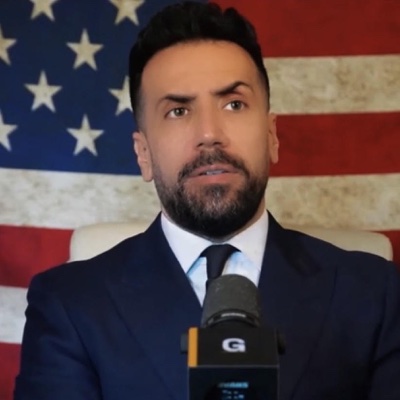
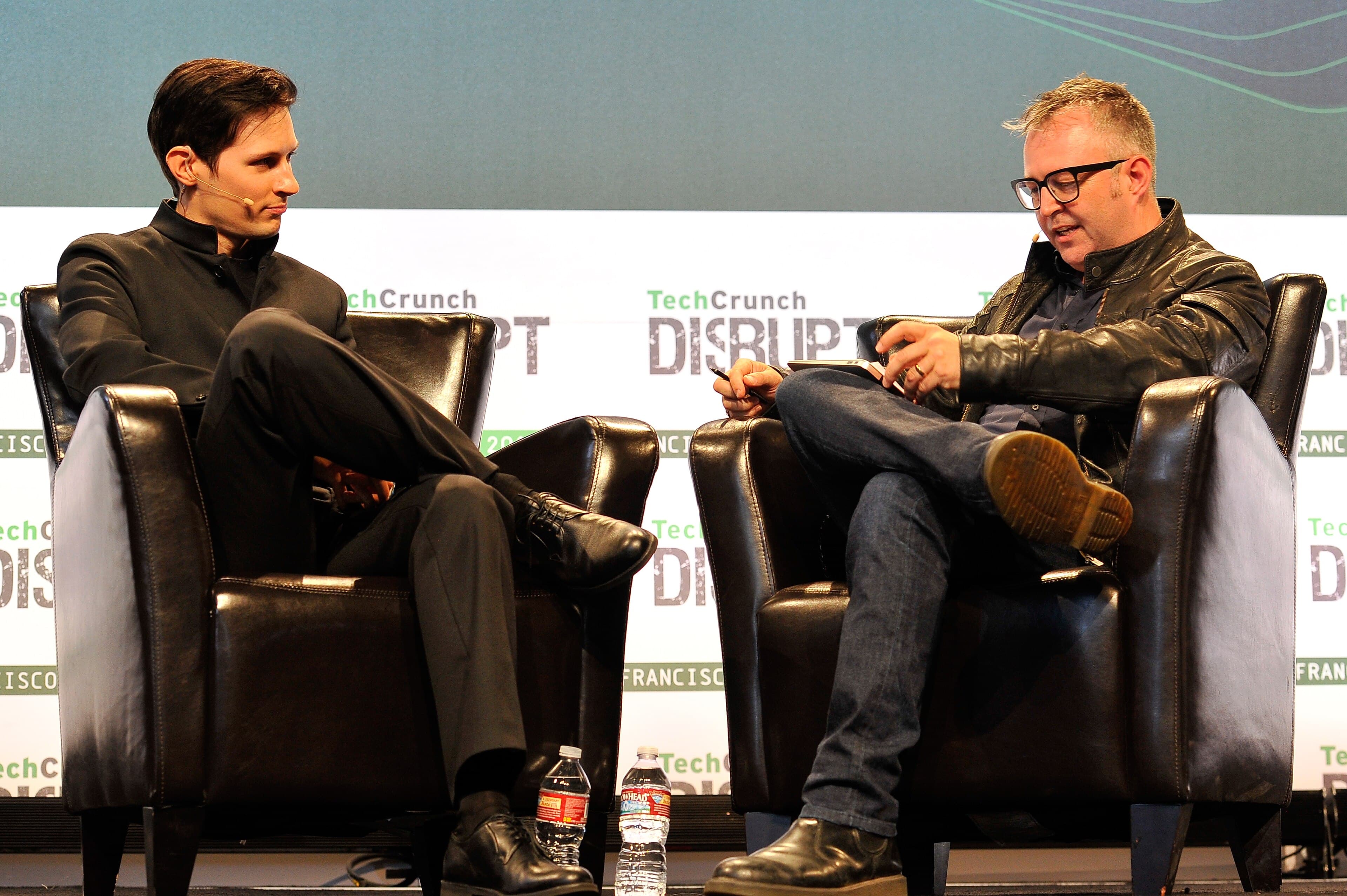
The digital battleground just got personal. Russian authorities have reportedly brought charges against Pavel Durov, the founder of Telegram, drawing fresh attention to the platform's associated TON Network. For those deep in crypto, Durov isn't just a tech mogul—he's a symbol of defiance, a modern cypherpunk who built a privacy-first messaging empire often at odds with state power. This isn't the first time Durov has squared off against the Kremlin, and each skirmish burnishes Telegram's reputation as a bulwark against censorship, a narrative now directly moving flows into TON.
The catalyst is clear: Russia's move against Durov. But the cultural resonance runs deeper. Telegram has long been the platform of choice for dissidents, activists and anyone seeking an encrypted haven from surveillance. Its global user base, now well over a billion, isn't just a number—it's a community that values privacy and open communication. When the architect of that freedom faces state pressure, the associated digital assets become more than tokens; they become an ideological play. That dynamic is why TON, originally conceived as Telegram's native blockchain, is drawing attention. It reads as a bet on digital autonomy in an increasingly regulated and surveilled world.
The money flows reflect this narrative. While the broader market was mixed—Microsoft surging 15.5 percent on AI integration, Meta shedding 8 percent and Alphabet down 0.9 percent—the crypto Fear & Greed Index sits firmly in "Fear" at 28. The Nasdaq gained 2.8 percent to $25,122 and the S&P 500 added 1.7 percent to $7,438, yet crypto sentiment remains cautious. In that environment, assets with defiant narratives often find their moment. Investors are looking at TON for its symbolic value as much as its technology, positioning it as a speculative play on digital freedom. If Telegram can weather state pressure, its underlying network could become the censorship-resistant infrastructure many are seeking.
With strong narrative comes real risk. Betting on geopolitical events is inherently volatile. While the GENIUS Act has brought clarity to stablecoins and the CLARITY Act is working to define digital asset jurisdiction in the U.S., the global regulatory landscape for projects like TON remains unsettled. Russia's charges could escalate, disrupting Durov and Telegram in ways that ripple directly into the TON ecosystem. The perception of digital freedom is powerful, but it doesn't insulate an asset from market realities or the reach of state power. This isn't a guaranteed run higher—it's a high-stakes wager on a founder's resilience and a network's ability to live up to its anti-establishment ethos. Investors buying into TON are buying a story, a defiant stand against tightening state control. Narratives can shift, and the market can be unforgiving.


