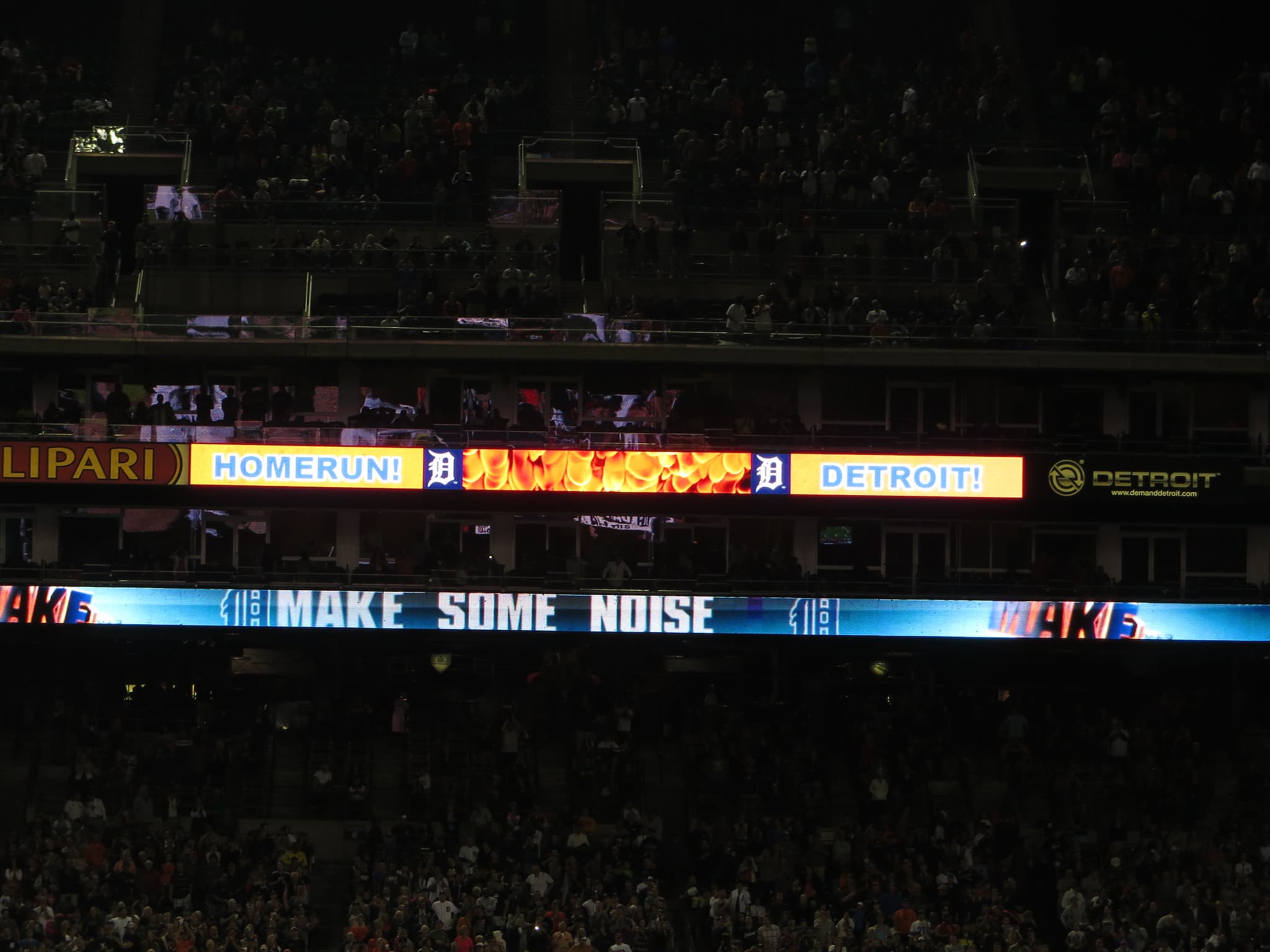
The home run is the undisputed king of offense in today's Major League Baseball. One swing erases deficits, shifts momentum and wins games — nothing else in the sport does all three at once.
This power-centric approach marks a clear shift from earlier eras. The 2019 MLB season set an all-time record with 6,776 home runs, averaging 1.39 per game — nearly triple the dead-ball era's rate of roughly 0.5 per game.
The launch-angle revolution drives much of the trend. Hitters deliberately elevate the ball, targeting exit velocities and trajectories that produce power. Analytics departments across all 30 teams shape this approach at every level of the lineup.
Star players define the era. Aaron Judge, Shohei Ohtani and Fernando Tatis Jr. consistently deliver tape-measure blasts, making them the centerpiece attractions of their respective offenses.
Front offices have built rosters to match. Teams prioritize power potential over contact skills, and players who can consistently clear the fence command nine-figure contracts as a result.
The strategic ripple runs deeper than individual lineups. The game increasingly revolves around the three true outcomes — home runs, strikeouts and walks — squeezing out the small-ball tactics that once defined offensive baseball: bunts, stolen bases, hit-and-run plays.
Fan engagement tracks the home run closely. A towering blast generates the highlight moments that drive sports media, and those clips have become fixtures across broadcast and digital platforms alike.
Defenses adapted. Teams deployed extreme infield shifts, stacking defenders on the pull side to limit damage on balls that stay in the park.
Pitching evolved to match. Major League pitchers now prioritize high velocity and spin rate to generate strikeouts — a direct counter to the power game that reinforces the three true outcomes cycle rather than breaking it.
The economic logic follows the box score. Elite sluggers command multi-year contracts worth hundreds of millions of dollars because one swing can change a game, and franchises pay accordingly.
The shift has sharpened an old debate. Purists argue the game leans too hard on brute force at the expense of craft. Modern strategists counter that power makes the game faster and more exciting.
MLB has responded with rule changes targeting the conditions that produced the power surge. Adjustments to the baseball, the pitch clock and restrictions on defensive shifts all reflect the league's effort to rebalance offense without killing the home run's central role.
The long ball remains woven into baseball's identity. Its ability to flip a game in a single at-bat is why it has held the sport's attention for a century — and why every team still builds around it.


