WASHINGTON — Sen. Tom Cotton urged the Trump administration to bar U.S. government agencies and contractors from using Chinese artificial intelligence models, citing national security risks and calling for a sharper divide between U.S. and Chinese AI capabilities. The proposal could funnel substantial government spending toward domestic AI solutions.
Cotton also called for stricter export controls on advanced AI chips, a measure that could affect global supply chains and chip manufacturers' revenue. He pushed separately for stronger support of open U.S. AI models to build domestic competitiveness against China's advances. The Commerce Department did not immediately respond to a request for comment.
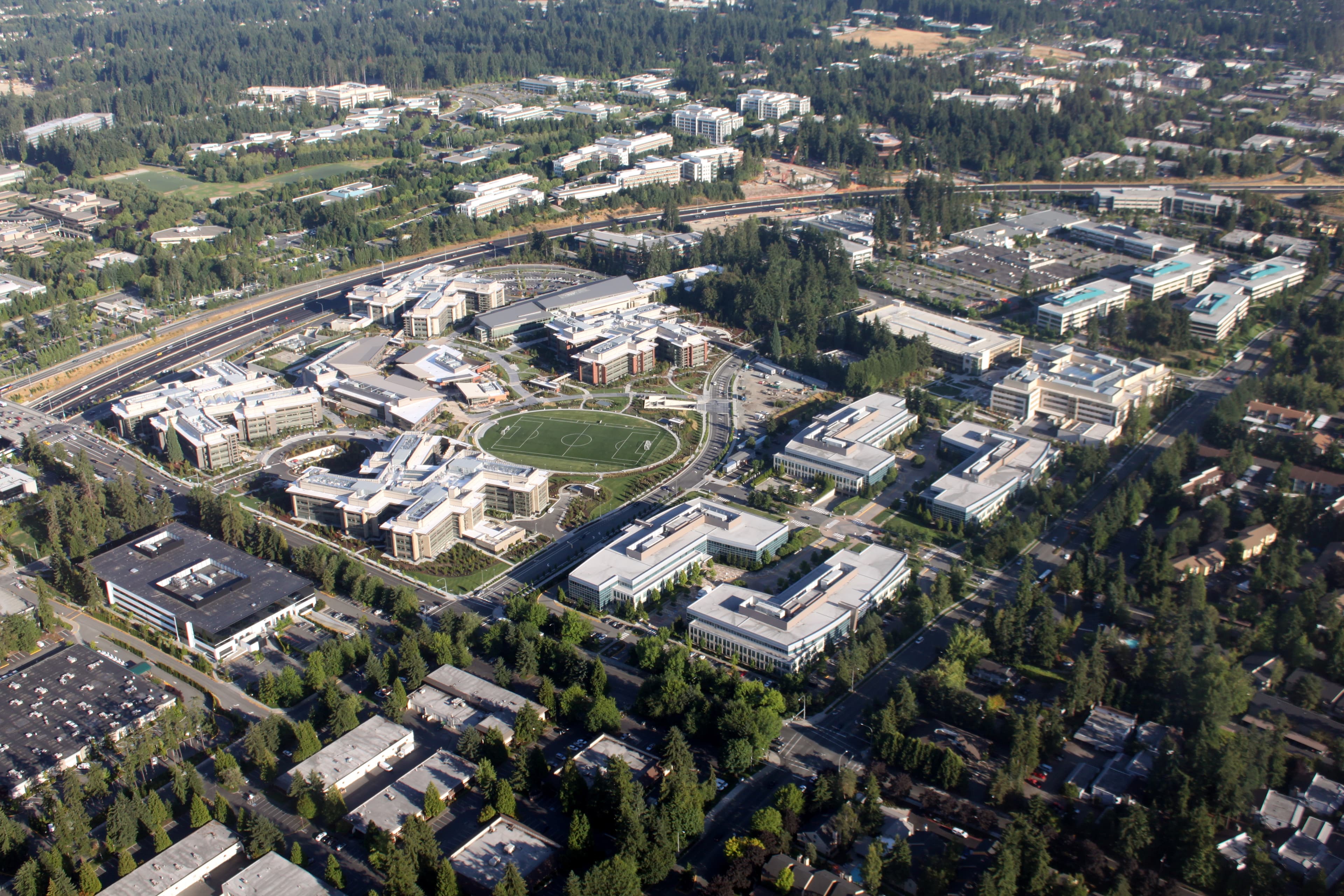
This legislative pressure creates a clear upside catalyst for U.S. AI developers competing for government contracts. Microsoft, trading at $390.54, and Alphabet, up 0.9 percent to $336.71, stand to benefit from a protected domestic market for their AI services and cloud infrastructure. Their established government partnerships and strong AI offerings position them well if Chinese alternatives are restricted. We see this as a net positive for their long-term federal segment growth.
Stricter chip export controls introduce headwinds for Nvidia, which closed down 3.6 percent at $190.01. Without specific details on scope, the direct revenue impact is uncertain, but any broad restriction on chip sales to China could dampen its growth trajectory. Investors should watch the scope of any proposed controls closely, as they could force a re-evaluation of global semiconductor supply and demand.
The push for open U.S. AI models could accelerate investment in domestic AI research and development, reinforcing U.S. technological leadership and reducing reliance on foreign AI infrastructure. A more resilient domestic AI ecosystem would benefit a broad range of U.S. tech companies involved in AI development and deployment.
Any executive orders or legislative actions stemming from Cotton's proposals would directly shape the investment thesis for U.S. AI and semiconductor companies. Watch for specific policy details in the coming weeks.